



























































































































































































Introducing a new puppy to your current dog is often an exciting process, and many dogs will become fast friends and eas...
Read MoreAdopt Me
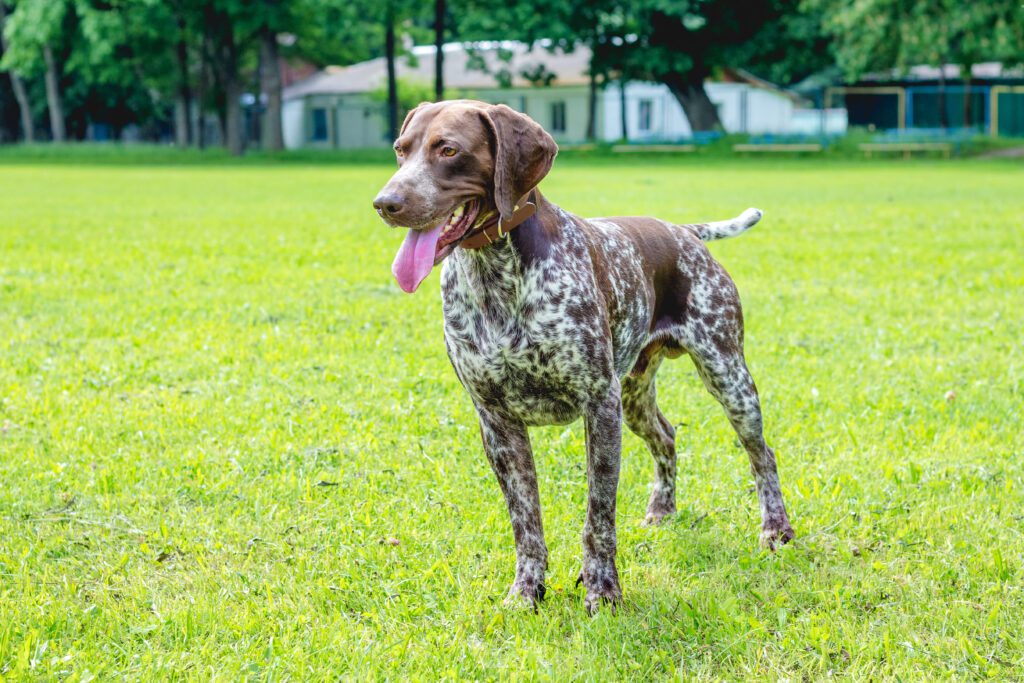


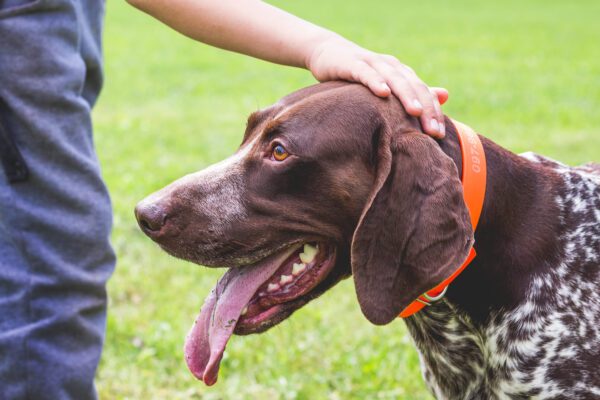
The German Shorthaired Pointer is an energetic, affectionate, and highly athletic companion. This breed thrives with a job to do and loves to learn new skills. A German Shorthaired Pointer bonds closely with the family and often enjoys hiking, running, and games that use both the mind and the nose. Careful research before adoption helps you match this driven working dog to your lifestyle.
Adoption is a smart path because it gives a deserving dog a fresh start while providing you with valuable background from shelters, rescues, and foster homes. Adopted dogs often come vetted and behaviorally assessed, which makes the transition smoother. Alabama offers a great backdrop for this breed with mild winters, long warm seasons, and access to fields, forests, and lakes. The heat and humidity can challenge a German Shorthaired Pointer during summer, so early morning exercise, shade, and water breaks are important in Alabama’s climate.
Consider your daily routine, local geography, and community resources. A German Shorthaired Pointer does best with frequent off-leash play in secure areas, consistent training, and at least 90 minutes of mixed physical and mental exercise each day. Alabama’s rural spaces, suburban yards, and trail systems can suit this breed well when you plan around heat, terrain, and seasonal pests. Regular veterinary guidance on prevention and fitness keeps an active dog safe in all regions of the state.
You can avoid searching shelters and rescues separately by browsing Dog Academy adoption listings, which gather available dogs from multiple sources in one place. Dog Academy also shares educational guides and adoption checklists that help you prepare, compare options, and make a confident choice.
Start by exploring local animal shelters, regional rescues, breed-specific rescue groups, and foster-based networks across Alabama. You may also find dogs in neighboring states. Rescues sometimes arrange transport to move dogs between locations when approved adopters live farther away, and transport usually involves coordinated trips run by volunteers or partner drivers to safely deliver the dog.
Browse listings to study each dog’s age, activity level, training history, and any medical notes. Submit an application that explains your home environment, schedule, and experience with active breeds. Applications often ask for landlord approval when you rent, personal references, and a current veterinarian contact. Initial screening usually takes 3 to 10 days, and you can speed it up by answering every question clearly and by providing documents quickly.
If your application fits a dog’s needs, you will schedule a meet-and-greet at a shelter or with a foster caregiver. Bring everyone in the household, including resident dogs, so the group can interact in a calm and safe way. Many groups complete a home check either in person or by video call to confirm secure fencing, safe storage of chemicals and foods, and a suitable place for rest and recovery. Some organizations offer brief trial periods or adoption holds to ensure a good match. Final approval includes signing an adoption contract, paying the fee, and arranging pickup or transport.
Timelines vary based on fit, medical needs, and travel. A local match can often finalize within 1 to 2 weeks. A dog that needs additional veterinary care or transport may take 2 to 4 weeks before going home.

|
How Much Does It Cost to Adopt a German Shorthaired Pointer in Alabama?Most adopters in Alabama pay $200 to $350 through shelters and regional rescues for a German Shorthaired Pointer. Breed-focused groups often request $300 to $450 to cover higher training and medical costs. Age, training, medical care, and demand all affect fees. Puppies and young adults with high demand usually sit at the top of the range, while seniors and dogs with special needs often cost less. Fees tend to rise when organizations provide advanced care, and in Alabama that can include treatment for issues common in warm climates. Adoption fees usually include spaying or neutering, vaccinations, microchipping, and veterinary exams. Fees may also reflect heartworm testing and treatment, parasite prevention, dental cleanings when needed, and behavior evaluations that help you understand the dog’s skills before adoption. |
How Should I Train a German Shorthaired Pointer?The German Shorthaired Pointer is intelligent, eager, and sensitive, which makes positive reinforcement the best approach. Keep sessions short, upbeat, and frequent. Reward correct choices with food, toys, and praise. This breed enjoys work, so pair daily exercise with tasks that engage the nose and the brain, such as retrieving games and scent searches. Focus on recall, loose-leash walking, impulse control, crate training, and calm settle skills. Many German Shorthaired Pointers have a strong prey drive, so use a long line for outdoor training until recall is reliable. Provide structured outlets for energy with running, hiking, swimming, and field games. Rotate enrichment like food puzzles and hide-and-seek to reduce boredom and to prevent nuisance behaviors. For step-by-step lessons that fit busy schedules, explore Dog Academy’s online training courses. These courses guide you through foundation manners, recall, leash skills, and enrichment plans designed for athletic and curious dogs. Clear progressions and real-life practice help your new companion learn fast and stay focused. |
|
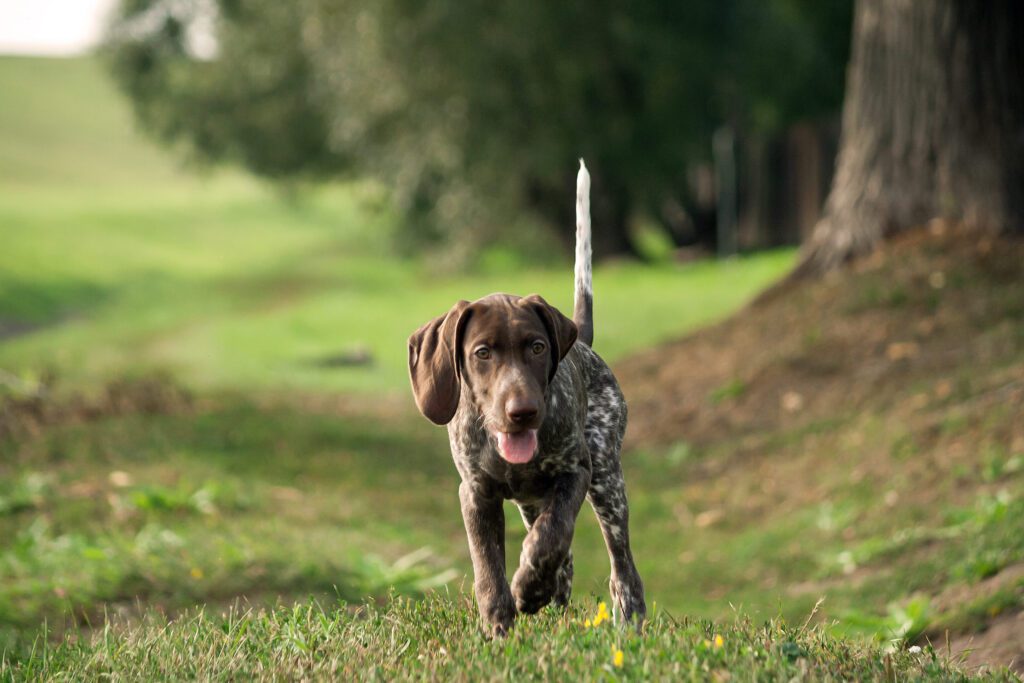
The ideal adopter enjoys an active lifestyle, values daily training, and can provide a secure space for off-leash play. Families who like hiking, running, or water activities will find a great partner in this breed. A German Shorthaired Pointer also benefits from consistent routines, thoughtful socialization, and time to rest between adventures.
Prepare your home, gather training and safety supplies, and set a realistic schedule for exercise and enrichment. Take time to meet several dogs, ask detailed questions, and review notes from caregivers. With careful research and the right training plan, you can adopt a German Shorthaired Pointer in Alabama and welcome a loyal, spirited teammate for years to come.

Introducing a new puppy to your current dog is often an exciting process, and many dogs will become fast friends and eas...
Read More
Rescue dogs can make great companions and can transform your home into something better. These dogs make great pets and ...
Read More
You should never rush to pet a dog. Even dog owners make the mistake of approaching unfamiliar dogs and petting them rig...
Read More
Puppy mill dogs are survivors who have endured extreme hardships in their lives. They have grown up in horrendous, unsan...
Read More
With their wagging tails and comforting presence, adopting a dog can add a unique touch to your life. It’s a heart...
Read More
Older dogs may have a few gray hairs around the edges, but that doesn’t mean they can’t make wonderful companions! T...
Read More