




























































































































































































Introducing a new puppy to your current dog is often an exciting process, and many dogs will become fast friends and eas...
Read MoreAdopt Me

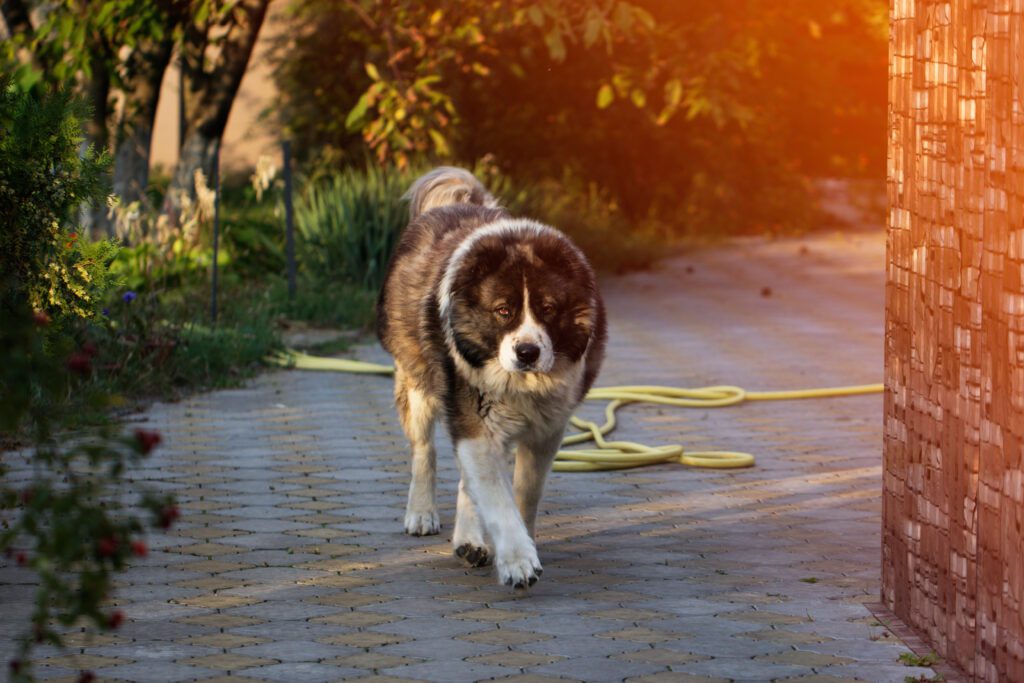
The Caucasian Shepherd is a powerful livestock guardian known for unwavering loyalty, natural protectiveness, and a calm, confident presence with family. The breed is affectionate with its people and watchful with strangers, which makes it a devoted companion for the right home. Thoughtful research matters before you adopt, because this giant guardian needs consistent training, secure management, and a lifestyle that respects its instincts. Adoption often provides a better path than buying because it gives a deserving dog a second chance while offering you transparency about temperament and health.
Texas offers space and working opportunities that can suit this breed, yet the climate presents challenges. The Caucasian Shepherd has a dense double coat and heavy frame, which means Texas heat requires careful management. Early morning and evening exercise, ample shade, fresh water, and indoor cooling keep the dog safe. Rural and suburban properties with secure fencing work well, and many owners in the Hill Country or Panhandle enjoy cooler seasons that make activity easier. Urban living can work when daily exercise, strict management, and careful socialization are consistent.
Prepare for a large dog that needs time, training, and budget planning. Clear expectations, a safe yard, and steady routines help the Caucasian Shepherd settle into Texas life with confidence and good manners.
You can avoid searching for rescues and shelters one by one by browsing listings through Dog Academy. Dog Academy curates adoptable dogs from across regions, and you can filter for size, age, and location to streamline your search. You can also find educational guides and practical adoption checklists that help you prepare your home, plan your budget, and ask the right questions before you apply.
Adoptable Caucasian Shepherds in Texas may appear through local animal shelters, regional rescues, and breed-specific rescue groups. Availability can be sporadic because the breed is less common, and many dogs enter rescue after mismatches with previous homes. Rescues sometimes arrange transport to move dogs between locations, which means a suitable match might come from another Texas city or a nearby region when local options are limited. Transport is often organized by the rescue to move the dog safely with health documentation and a scheduled handoff.
Start by browsing listings and reading each profile closely. Look for notes about behavior around people and other animals, energy level, history with livestock or city life, and medical records. Ask the placement coordinator about temperament testing, reactivity, handling tolerance, and any bite history. Request clarity on current training, feeding routines, medication, and grooming needs so that you understand daily care.
Next, complete an application that usually asks for veterinary references, proof of home ownership or landlord approval, and details about your fencing and household schedule. Many groups schedule a phone interview to confirm fit. A meet-and-greet follows, which can be at the shelter, in a neutral area, or at your home when policies allow. Home checks verify safe containment, secure gates, shade, and indoor space. Timelines vary, but most approvals take 1 to 3 weeks when all documents and meetings move smoothly.
Once approved, you sign an adoption contract and pay the fee. Some groups offer a short trial period to ensure the transition works. Prepare a crate, sturdy leash, martingale or well-fitted collar, identification tags, high value treats, and a plan for slow introductions with resident pets. A calm first week sets the foundation for success.
|
How Much Does It Cost to Adopt a Caucasian Shepherd in Texas?In Texas, a realistic adoption fee for a Caucasian Shepherd typically ranges from $250 to $500 for most adults and from $400 to $700 for puppies. Prices vary due to age, training history, medical care, and local demand. Giant breeds often cost more to vet, which can raise fees when the dog needs advanced procedures or dental work. Well-mannered adults with documented training may cost more because placement success rates are higher and preparation time is longer. Most adoption fees include spaying or neutering, vaccinations, microchipping, and veterinary exams. Some groups also provide heartworm testing and treatment when needed, which can influence pricing. If transport is required, expect an added fee, often $100 to $250 within Texas, to cover safe ground travel, scheduling, and a health certificate when it is required for the route. |
How Should I Train a Caucasian Shepherd?The Caucasian Shepherd is intelligent, independent, and deeply loyal, which makes training both rewarding and demanding. The breed learns quickly when training is clear and consistent, yet it resists methods that feel unfair or confusing. Positive reinforcement builds trust and cooperation, while harsh corrections can create conflict and defensive behavior. Focus on foundation skills like name recognition, recall, loose-leash walking, place, and calm greetings. Short, focused sessions paired with daily life practice work best. Socialization must be careful and structured. Aim for neutral exposure to people, dogs, livestock, and new environments while you reward calm choices. Guarding instincts can amplify reactivity, so teach impulse control games, doorway patience, and quiet settling in the yard. Secure fencing is essential, and management tools like double leashing for new outings increase safety. For step-by-step guidance that fits giant guardians, explore Dog Academy’s online training courses. You can learn clear handling, prevention strategies for common challenges, and routines that build a trustworthy companion. |
|
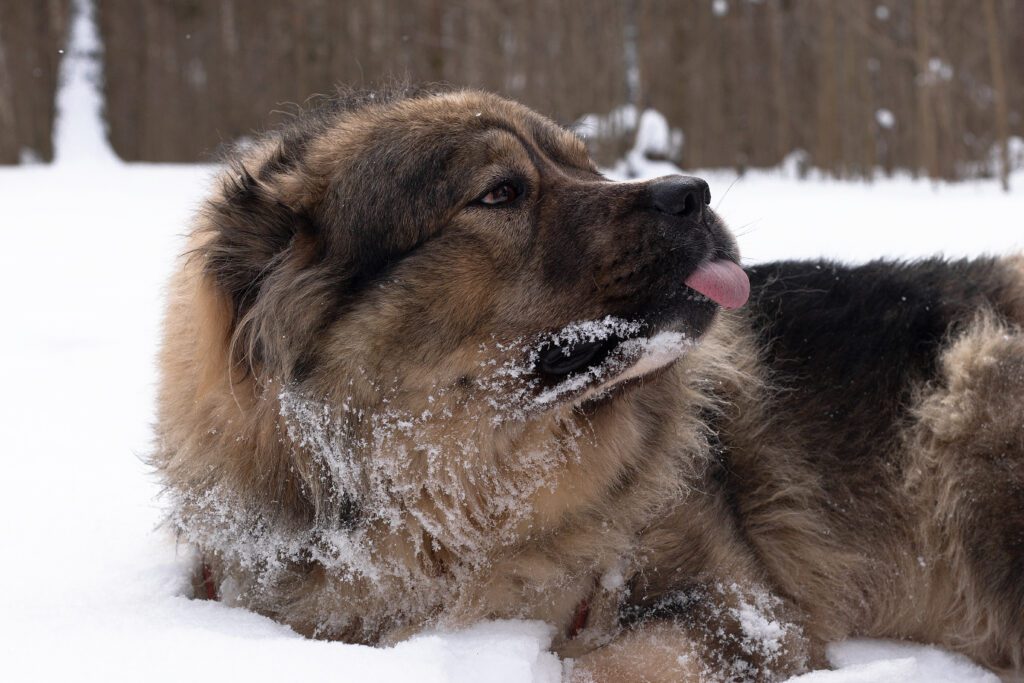
The ideal Texas home for a Caucasian Shepherd is experienced, patient, and consistent. A secure yard, a predictable routine, and time for daily training create the structure this breed needs. Owners who enjoy early walks, mental work, and steady leadership see the best results.
Adopting the right dog takes research and preparation. Take your time, ask detailed questions, and plan for a thoughtful transition. With the right match and a solid training plan, your Caucasian Shepherd can thrive in Texas and become a vigilant, loving member of your family.

Introducing a new puppy to your current dog is often an exciting process, and many dogs will become fast friends and eas...
Read More
Rescue dogs can make great companions and can transform your home into something better. These dogs make great pets and ...
Read More
You should never rush to pet a dog. Even dog owners make the mistake of approaching unfamiliar dogs and petting them rig...
Read More
Puppy mill dogs are survivors who have endured extreme hardships in their lives. They have grown up in horrendous, unsan...
Read More
With their wagging tails and comforting presence, adopting a dog can add a unique touch to your life. It’s a heart...
Read More
Older dogs may have a few gray hairs around the edges, but that doesn’t mean they can’t make wonderful companions! T...
Read More