




























































































































































































Introducing a new puppy to your current dog is often an exciting process, and many dogs will become fast friends and eas...
Read MoreAdopt Me

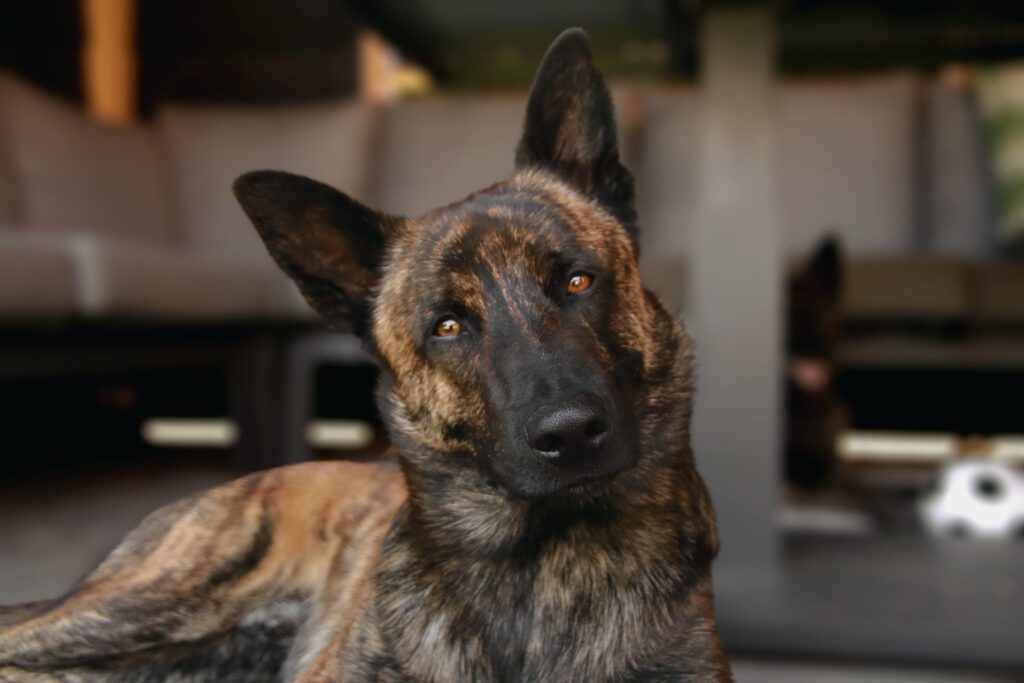
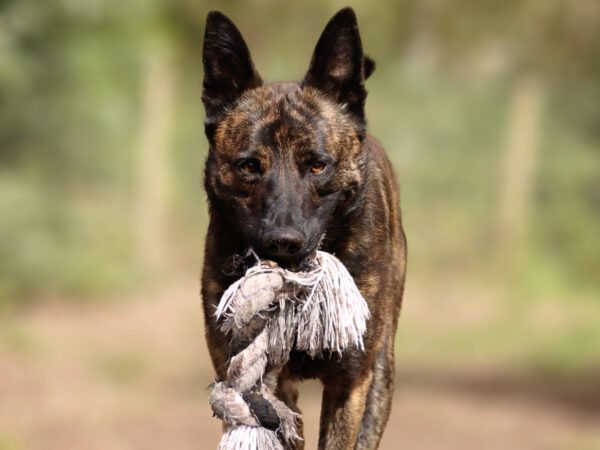
The Dutch Shepherd is an athletic, intelligent, and loyal partner that bonds deeply with an involved owner. This breed thrives on daily training, purposeful exercise, and clear structure. Many families choose the Dutch Shepherd for its versatility in sports, hiking, and everyday companionship, along with a steady, watchful nature at home.
Adopting a Dutch Shepherd requires careful research so you understand energy levels, exercise needs, and training commitments before you bring a dog home. Adoption is preferable to buying because it opens space for another dog in need, often includes essential veterinary care, and gives you insight into a dog’s temperament from foster notes. Texas can be a great fit when you plan for climate and lifestyle. Hot summers call for shaded walks, cool water, and early or late exercise. Wide-open spaces, suburban yards, and city neighborhoods can all work when you provide daily mental enrichment and secure containment.
You can avoid searching shelters and rescues one by one by using Dog Academy to browse adoption listings in one place. Dog Academy also offers educational guides and adoption checklists that help you prepare your home, plan your first week, and set up training from day one.
Adoptable Dutch Shepherds in Texas are found through local animal shelters, regional rescues, breed-specific rescue groups, and foster-based networks. Some dogs are purebred while others are Dutch Shepherd mixes that share similar traits such as high drive and trainability. Read each profile carefully so you match energy, age, and experience level with what your household can provide.
The process usually begins by browsing listings and saving dogs that fit your needs. You then submit an application that includes personal references, proof of housing permission if you rent, and information about your schedule. Many groups ask about your training plan, your fencing, and your experience with active working breeds so they can make a safe, successful match.
After your application is reviewed, you will be invited to a meet-and-greet to see how the dog interacts with you, your family, and any resident pets. A home check may follow to confirm safety features such as secure gates, proper crate placement, and safe storage for chemicals. Approval timelines vary by organization but often take several days to a few weeks, which allows time for interviews, veterinary reviews, and scheduling. Some rescues arrange transport to move dogs between Texas cities or from nearby states, and this service is coordinated by the rescue using volunteer drivers or licensed carriers, with a modest transport fee when applicable.

|
How Much Does It Cost to Adopt a Dutch Shepherd in Texas?In Texas, it is realistic to expect a Dutch Shepherd adoption fee in the range of $300 to $550. Fees vary based on age, prior training, medical care provided, and local demand for the breed. Puppies and young adults often cost more, while seniors and special-needs dogs are usually lower. The fee typically covers spaying or neutering, vaccinations, microchipping, and veterinary exams, and some groups include a starter leash or a short-term supply of food. Dogs that received behavior work, heartworm treatment, or orthopedic care may have slightly higher fees because the organization invested additional time and veterinary resources. Location within Texas can also influence fees due to differing shelter capacities and transport expenses. |
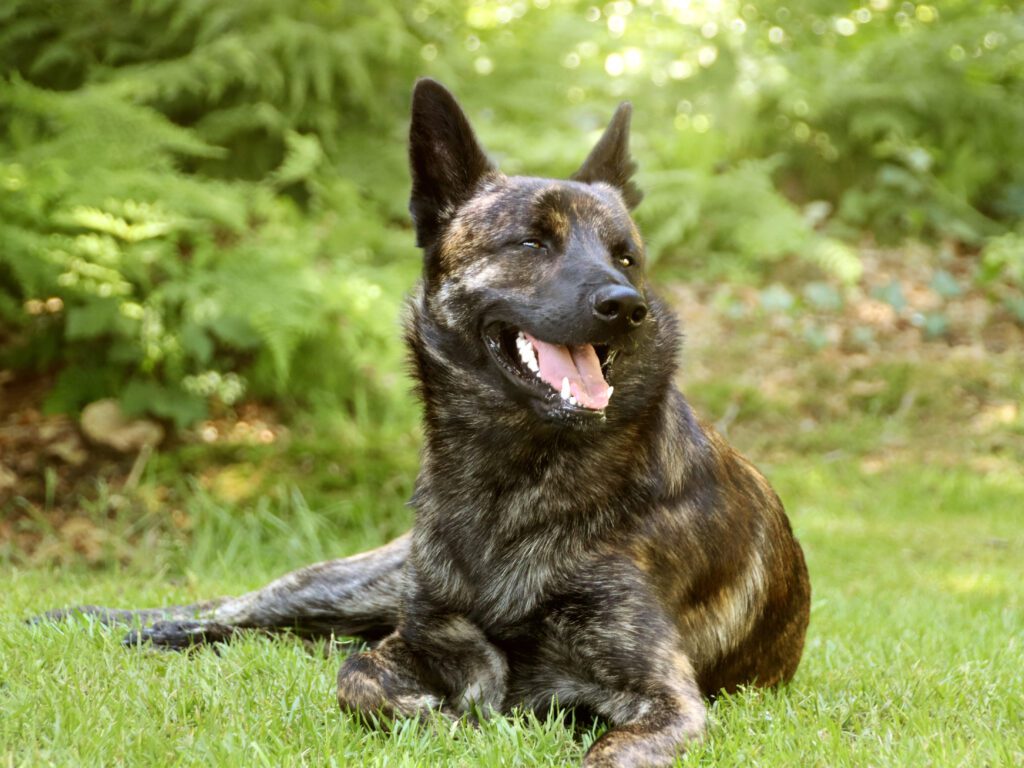
How Should I Train a Dutch Shepherd?The Dutch Shepherd is highly intelligent and eager to learn, which makes training fast and rewarding when you use clear structure and consistent routines. These dogs excel with positive reinforcement that uses food, toys, and praise. Short sessions, clear markers, and generous rewards build focus without frustration. Common challenges include high prey drive, mouthiness during arousal, and persistent herding behaviors. Early socialization, impulse control exercises, and daily enrichment help channel that drive into healthy outlets. Teach rock-solid recall, settle on a mat, and loose-leash walking, then add advanced obedience, scent games, tracking, and agility to keep the mind engaged. If you want step-by-step guidance at home, explore Dog Academy’s online training courses to build foundations, troubleshoot problem behaviors, and keep your Dutch Shepherd mentally satisfied. |
|
The ideal adopter enjoys daily activity, structured training, and time outdoors while still providing calm downtime in the home. A Dutch Shepherd does best with a consistent schedule, a secure yard or reliable leash routine, and a family that values ongoing learning. Preparation matters, which means gathering supplies, planning a week of acclimation, and setting house rules before the dog arrives.
Take your time, research carefully, and choose a dog whose needs fit your lifestyle and Texas climate. When you are ready to adopt a Dutch Shepherd in Texas, start with Dog Academy to review current listings and follow a clear, supportive path to your new best friend.

Introducing a new puppy to your current dog is often an exciting process, and many dogs will become fast friends and eas...
Read More
Rescue dogs can make great companions and can transform your home into something better. These dogs make great pets and ...
Read More
You should never rush to pet a dog. Even dog owners make the mistake of approaching unfamiliar dogs and petting them rig...
Read More
Puppy mill dogs are survivors who have endured extreme hardships in their lives. They have grown up in horrendous, unsan...
Read More
With their wagging tails and comforting presence, adopting a dog can add a unique touch to your life. It’s a heart...
Read More
Older dogs may have a few gray hairs around the edges, but that doesn’t mean they can’t make wonderful companions! T...
Read More