









































































































































Introducing a new puppy to your current dog is often an exciting process, and many dogs will become fast friends and eas...
Read MoreAdopt Me

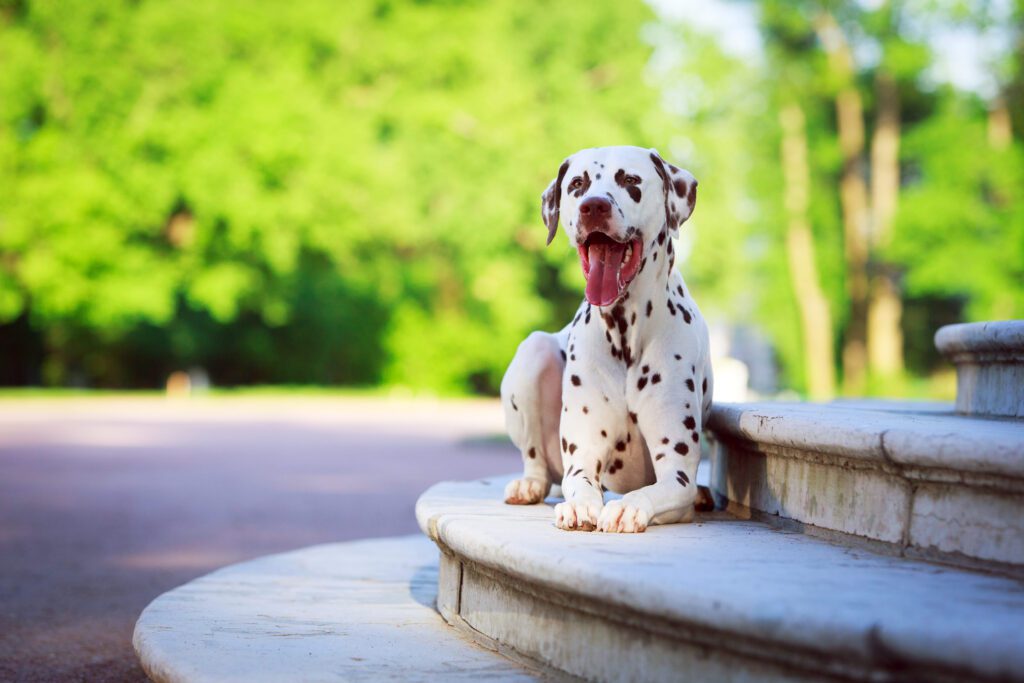

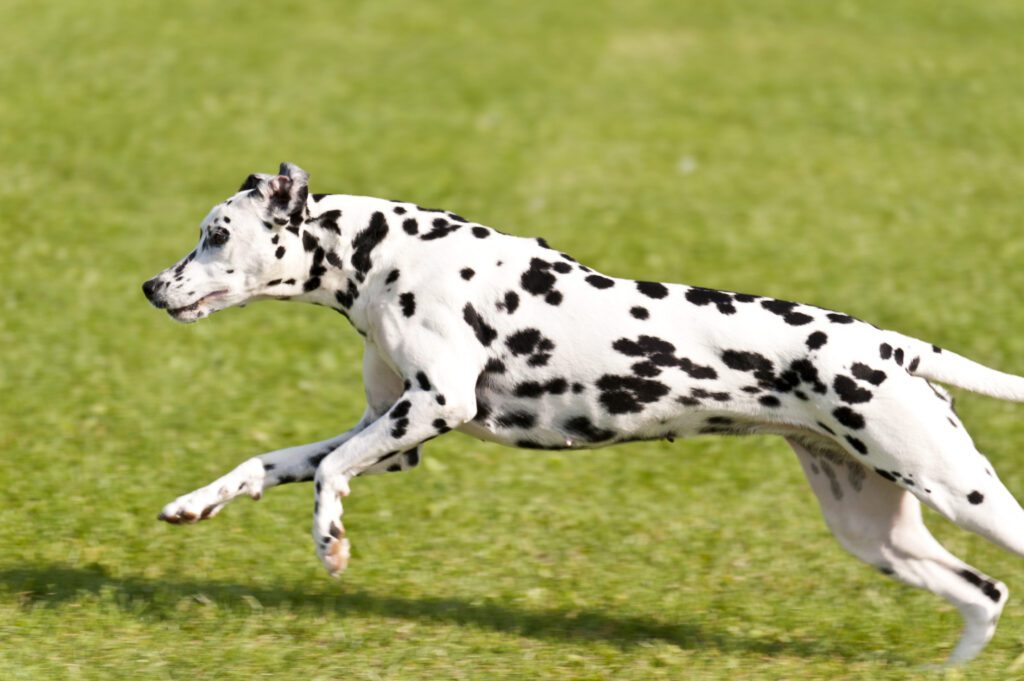
Dalmatians are athletic, alert, and people focused. The breed’s spotted coat turns heads, while its stamina and playful spirit make daily life feel lively. A Dalmatian is happiest when it runs, trains, and relaxes with the family. The breed suits adopters who enjoy structure, outdoor time, and a smart companion that bonds closely with its people.
Research matters before you adopt a Dalmatian in Maine. This breed sheds year round despite a short coat, and it needs daily aerobic exercise and mental work. Many Dalmatians have congenital hearing loss, and a veterinary hearing test can clarify what a dog can hear. The breed also benefits from a diet that moderates purines to support urinary health. Adoption is preferable to buying because it gives a dog a second chance, supports community shelters and rescues, and reduces demand for commercial breeding.
Maine offers forests, coastline, and four clear seasons. Winters are long and cold, and a Dalmatian’s short coat provides limited insulation. Your dog will need a winter jacket, paw protection on icy roads, and shorter outings during extreme cold. Spring and summer bring excellent trail time and water access, yet black flies and ticks are common in wooded areas, so prevention is essential. Rural distances can mean longer drives for veterinary care and training, and busy coastal towns can require strong leash manners and reliable recall.
You can skip searching shelters and rescues one by one by using Dog Academy. The adoption listings let you filter for breed and location, which saves time and helps you compare options. Dog Academy also offers educational guides and adoption checklists that you can use to prepare your home and plan your first weeks with your new dog.
Adoptable Dalmatians in Maine are typically found through local animal shelters, regional rescues, and breed-specific rescue groups. Some organizations list dogs that are out of state while still being available to Maine adopters. When a dog is not nearby, rescues may arrange transport between locations. Transport is often coordinated through volunteer drivers or a professional service that moves dogs safely to a designated pickup point in Maine.
The process starts with browsing listings and reading each dog’s profile in full. Next you submit an application that covers your household, schedule, training plans, and veterinary history. You may be asked for landlord approval if you rent, as well as personal references. Many groups conduct a phone interview to discuss breed needs and your lifestyle match. Meet-and-greets follow, where you introduce the dog to all family members and any resident dogs in a neutral area. Ask about hearing evaluations, exercise habits, and how the dog handles crating, alone time, and car rides.
Home checks are common and can be virtual or in person. A representative confirms that the space is safe, that exits are secure, and that you have supplies like a crate and a properly fitted collar. Approval timelines vary, yet most adoptions in Maine take 3 to 14 days from application to pickup. Final steps include an adoption contract and the fee payment. Plan your pickup day with a secure crate, a leash, an ID tag, and a quiet schedule to help your Dalmatian settle in calmly.
|
How Much Does It Cost to Adopt a Dalmatian in Maine?Expect most Dalmatian adoption fees in Maine to fall between $250 and $550. Puppies can reach $650 due to vaccinations and higher demand. Seniors may be lower than $250 when groups aim to encourage placement. Fees reflect age, prior training, and medical care that the organization has already provided. Typical inclusions are spaying or neutering, vaccinations, microchipping, and veterinary exams. Some groups also include a veterinary hearing test, parasite screening, dental care when needed, and an initial supply kit. If transport is used, a separate fee may be added to cover safe travel to Maine. |
How Should I Train a Dalmatian?Dalmatians are smart, energetic, and sensitive to tone. They learn quickly when training is upbeat, brief, and consistent. Positive reinforcement with food, play, and praise keeps the dog engaged and motivated. Clear routines and daily enrichment, such as sniff walks and puzzle feeding, help prevent restlessness and nuisance behaviors. Common challenges include pulling on leash, jumping on guests, and distraction around wildlife. Focus on loose-leash walking, reliable recall, a solid stay, and a calm settle on a mat. Early socialization builds confidence in new places and around sounds like snowplows and boats. If a dog has partial or complete hearing loss, teach hand signals and use visual cues such as a light flash or a thumbs-up marker. You can build these skills with Dog Academy’s online training courses, which provide step-by-step lessons for obedience, impulse control, and manners tailored to real homes. |
|
The ideal adopter enjoys daily exercise, patient training, and close companionship. A Dalmatian thrives with people who plan structured activity, provide warm winter gear, and manage shedding with regular brushing. The breed rewards that effort with loyalty, humor, and go-anywhere confidence.
Take your time, ask detailed questions, and prepare your home before pickup. Use Dog Academy to compare listings, follow an adoption checklist, and build a training plan that starts on day one. With thoughtful preparation, you can adopt a Dalmatian in Maine and welcome a partner for trails, towns, and cozy nights by the fire.
Introducing a new puppy to your current dog is often an exciting process, and many dogs will become fast friends and eas...
Read More
Rescue dogs can make great companions and can transform your home into something better. These dogs make great pets and ...
Read More
You should never rush to pet a dog. Even dog owners make the mistake of approaching unfamiliar dogs and petting them rig...
Read More
Puppy mill dogs are survivors who have endured extreme hardships in their lives. They have grown up in horrendous, unsan...
Read More
With their wagging tails and comforting presence, adopting a dog can add a unique touch to your life. It’s a heart...
Read More
Older dogs may have a few gray hairs around the edges, but that doesn’t mean they can’t make wonderful companions! T...
Read More