



























































































Introducing a new puppy to your current dog is often an exciting process, and many dogs will become fast friends and eas...
Read MoreAdopt Me
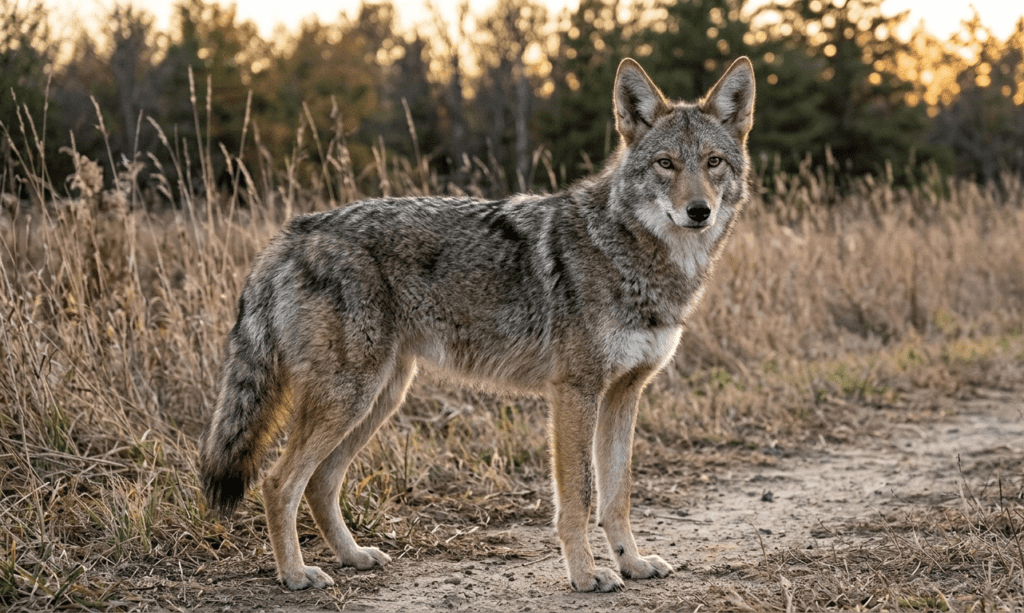
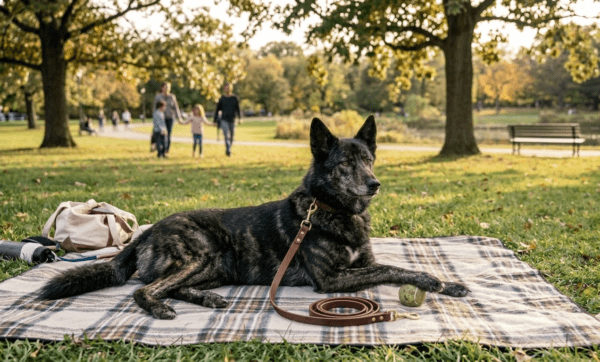
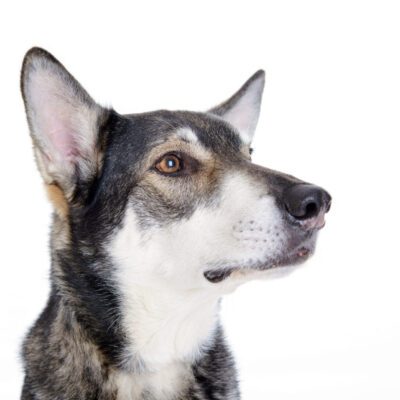
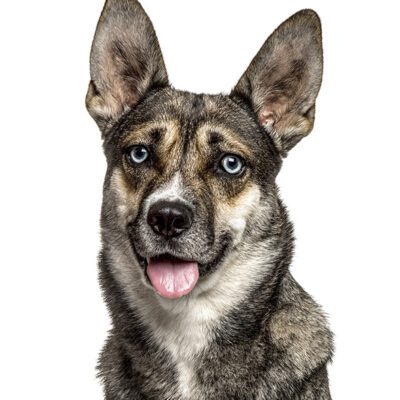
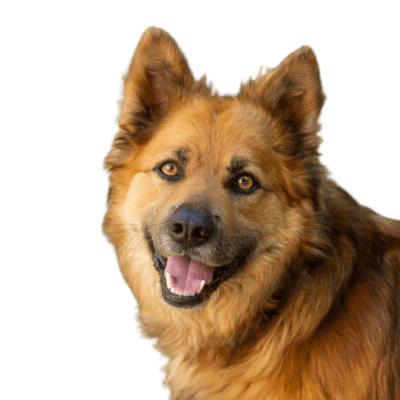
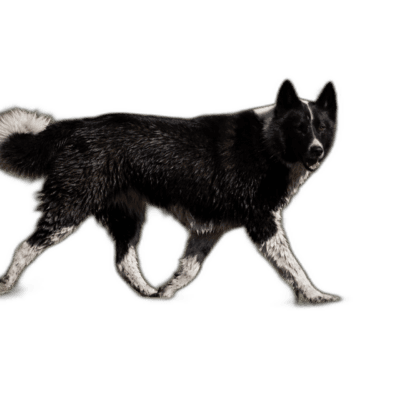
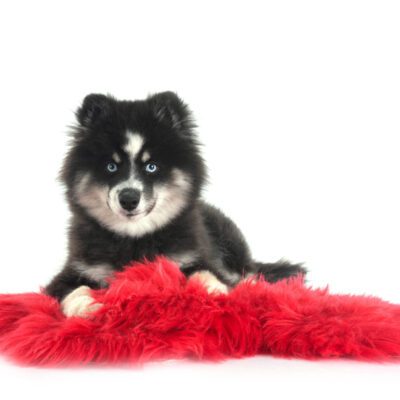
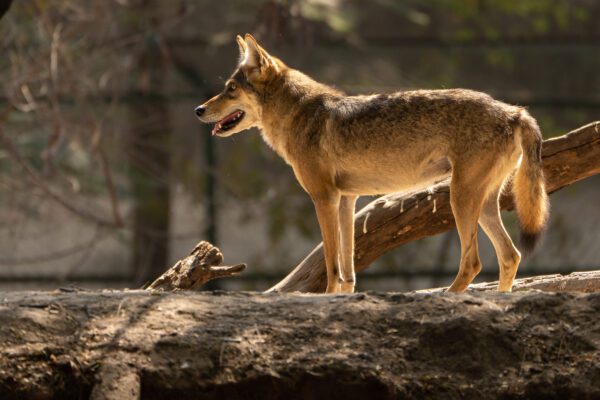
A Coydog can be intensely loyal, remarkably intelligent, and impressively athletic. Many people admire the striking look and sharp mind that a Coydog can display. This mix often bonds closely with one handler and can be cautious with strangers, which requires thoughtful socialization and steady training. Careful research is essential before adoption because a Coydog can challenge even experienced dog owners with high energy, strong prey drive, and a talent for escaping.
Adoption is a responsible path because it supports animal welfare, reduces demand on overburdened shelters, and often provides behavior insights from foster caregivers. Connecticut offers four distinct seasons with cold winters and humid summers. A thick-coated dog can thrive in winter with proper paw care, while summer calls for shade, water, and low-intensity exercise during cooler hours. Connecticut features forests, coastal towns, and suburban neighborhoods that attract wildlife, which means a Coydog-type dog needs a secure leash plan and a well-fitted harness for every outing. Apartment living can work for a calm adult with daily exercise and enrichment, but most Coydog-type dogs do best with a fenced yard and a structured routine.
You can avoid searching rescues and shelters separately by using Dog Academy to browse adoption listings in one place. Dog Academy also offers educational guides and adoption checklists that help you prepare your home, confirm legal requirements, and ask the right questions during the process.
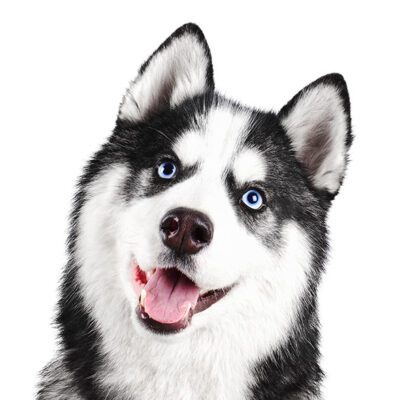
Start by exploring local animal shelters, regional rescues, and foster-based groups that specialize in northern mixes or high-energy working dogs. Read each profile carefully and pay attention to notes on temperament, energy level, and household fit. Understand that Connecticut law may restrict or prohibit ownership of wild canid hybrids, which can include Coydogs. Verify the legal status with your municipality and your landlord before you apply. Many dogs listed as Coydogs are actually husky or shepherd mixes, and reputable groups will place only dogs that are legal to own in Connecticut.
The process begins with browsing listings and submitting an application. Applications usually request personal references, a veterinarian contact, proof of housing, and information about your daily schedule. Strong applications explain your training plan, exercise routine, and safety measures such as fencing or secure tie-outs. After initial screening, a volunteer schedules a meet-and-greet so you can observe body language, handling tolerance, and responses to cues. Meet-and-greets often include resident dogs to evaluate compatibility in a neutral space.
Home checks are common and can be virtual or in person. A home check verifies secure doors, safe yard boundaries, and storage for food and medications. Approval timelines usually run 3 to 14 days, though medical holds or transport can extend that window. Transport is often arranged by rescues to move dogs between states or regions after full approval, and reputable groups use experienced drivers and clear health certificates. Transport providers coordinate pick-up points, confirm identification, and communicate arrival times so adopters can plan introductions safely.
|
How Much Does It Cost to Adopt a Coydog in Connecticut?Expect a typical adoption fee of $200 to $450 in Connecticut for a Coydog-type dog or a northern mix with similar traits. True Coydogs are rare in rescue and may not be adoptable due to legal restrictions, so most placements involve look-alike mixes with comparable needs. Fees reflect included veterinary care such as spaying or neutering, vaccinations, microchipping, and veterinary exams. Age, demand, and training also influence fees. Younger dogs with higher demand can sit at the top of the range, while seniors and special-needs dogs can be lower. Fees can increase when rescues provide professional training, dental care, or extended medical treatment before placement. |
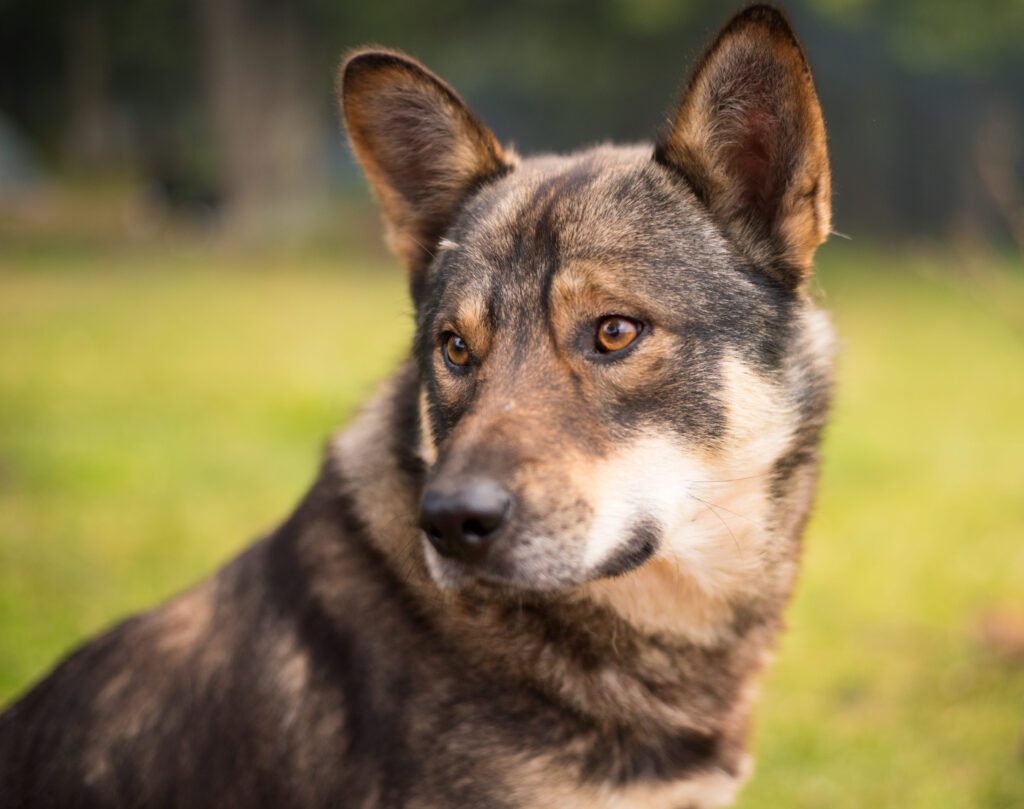
How Should I Train a Coydog?A Coydog-type dog is typically bright, observant, and independent. Intelligence can lead to fast learning and creative problem solving, so clear structure matters from day one. Positive reinforcement works best because it rewards correct choices and builds trust with a sensitive dog. Use short sessions, generous food rewards, and consistent criteria to prevent confusion. Focus early on impulse control, calm settle on a mat, loose-leash walking, and reliable recall. Build recall with a long line, high-value rewards, and controlled distractions before moving to open spaces. Satisfy working instincts with scent games, puzzle feeders, and supervised decompression walks. Manage prey drive with leashes, secure fencing, and a gate plan that prevents accidental escapes. Pair training with daily mental enrichment so the dog channels energy into safe outlets rather than door dashing or digging. If you want step-by-step support, explore Dog Academy’s online training courses for foundation skills, behavior troubleshooting, and enrichment ideas tailored to high-drive dogs. Courses explain how to set up routines, reinforce calm behavior, and prevent common issues such as jumping, mouthing, and counter surfing. |
|
The ideal adopter is active, patient, and experienced with independent or northern-type dogs. A secure yard, a consistent schedule, and a commitment to training create the best chance for success. Legal due diligence in Connecticut is essential, and you should adopt only dogs that are clearly permitted in your area.
Preparation sets everyone up for a smooth transition. Take time to research, gather supplies, and plan introductions. Use Dog Academy listings to discover suitable candidates, and lean on training resources to build trust from the first day. The right match rewards your effort with a loyal companion who thrives in your Connecticut lifestyle.
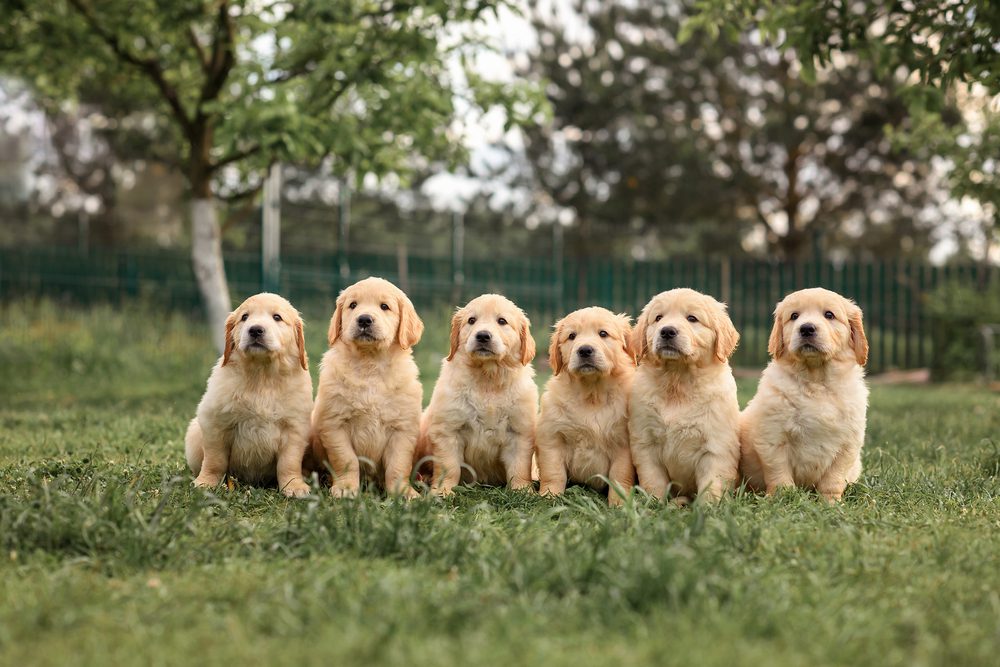
Introducing a new puppy to your current dog is often an exciting process, and many dogs will become fast friends and eas...
Read More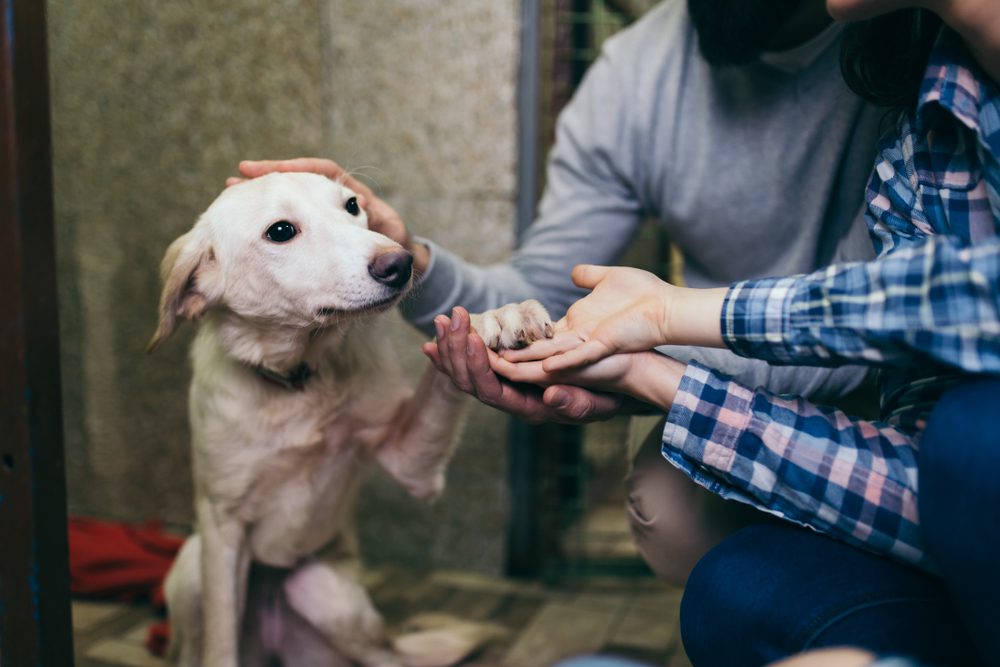
Rescue dogs can make great companions and can transform your home into something better. These dogs make great pets and ...
Read More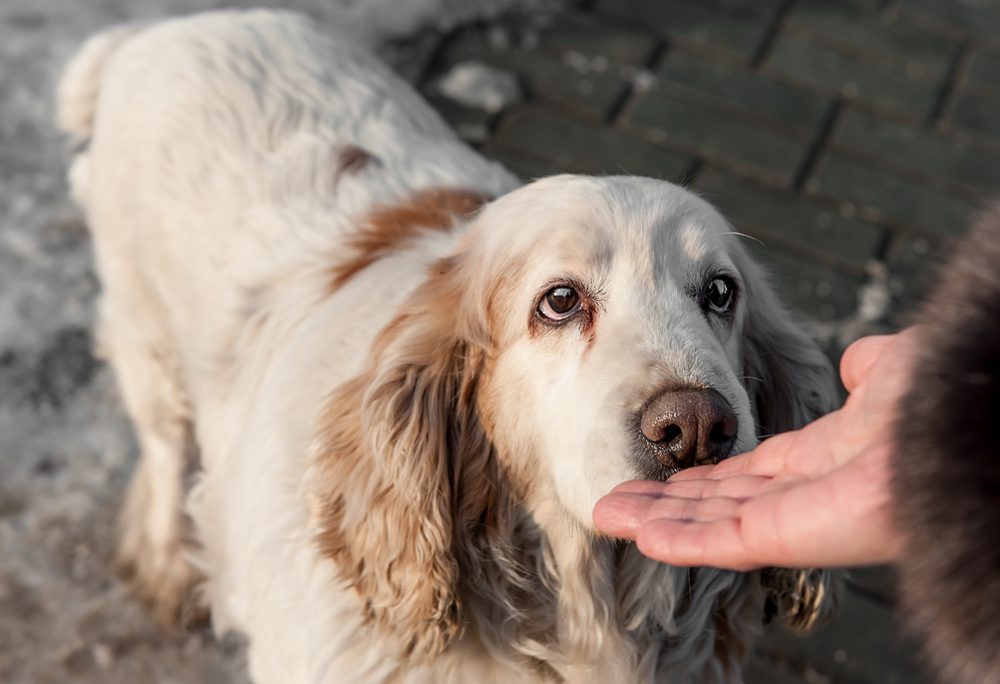
You should never rush to pet a dog. Even dog owners make the mistake of approaching unfamiliar dogs and petting them rig...
Read More
Puppy mill dogs are survivors who have endured extreme hardships in their lives. They have grown up in horrendous, unsan...
Read More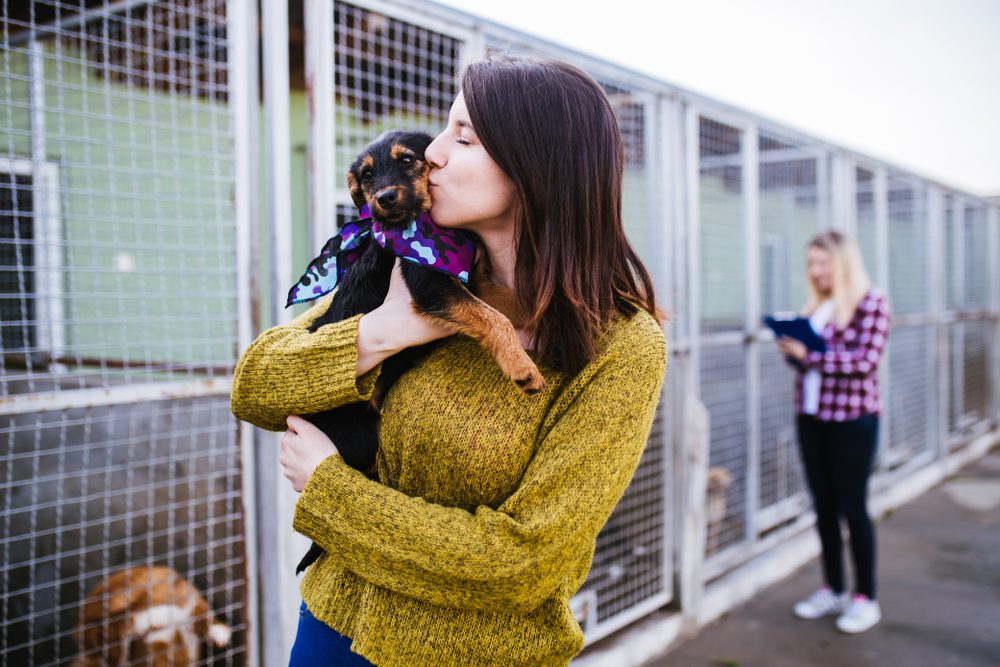
With their wagging tails and comforting presence, adopting a dog can add a unique touch to your life. It’s a heart...
Read More
Older dogs may have a few gray hairs around the edges, but that doesn’t mean they can’t make wonderful companions! T...
Read More