











































































































































































Introducing a new puppy to your current dog is often an exciting process, and many dogs will become fast friends and eas...
Read More
How to Introduce a New Puppy to Your Dog

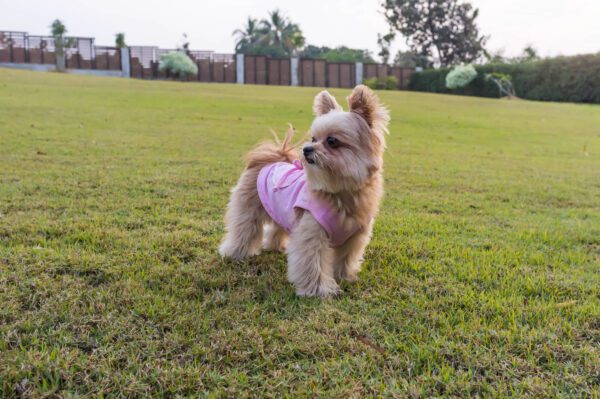
The Chorkie blends the spunky spirit of the Chihuahua with the silky charm of the Yorkshire Terrier. This tiny companion loves lap time, short play sessions, and staying close to the people it trusts. Chorkies are alert and vocal, which makes them good watchdogs, and they thrive on positive attention. Their small size suits apartments, condos, and cozy homes, as long as they receive daily mental stimulation and gentle exercise.
Research matters before you adopt a Chorkie in Washington. Understanding grooming needs, house training expectations, and energy levels ensures a good match. Adoption is a responsible path because it gives a dog a second chance and often includes essential veterinary care. Many adoptable Chorkies already have some training or socialization, which makes the transition smoother for first-time owners and families.
Washington’s climate and geography call for thoughtful care. Western Washington brings cool temperatures and frequent rain, so a warm sweater and a water-resistant coat help a Chorkie stay comfortable on walks. Eastern Washington often has hot summers and cold winters, so careful scheduling of outdoor time and access to shade or warm indoor spaces are important. Urban neighborhoods offer walkable routes and dog-friendly amenities, while trails and parks require close supervision because a small dog can tire easily and feel overwhelmed by larger dogs.
You can skip separate searches for shelters and rescues by using Dog Academy. Dog Academy’s adoption listings help you browse adoptable dogs across Washington in one place, which saves time and reduces stress. You can also explore educational guides and adoption checklists that prepare you for bringing a small companion home.
Adoptable Chorkies appear through local animal shelters, regional rescues, and breed-specific rescue groups. Start by browsing listings, then read each profile carefully to understand temperament, medical history, grooming needs, and exercise requirements. Once you identify a match, you can request more information, submit an inquiry, or schedule a meet-and-greet to see how the dog responds to you and your household members.
The application asks about your home, schedule, experience, and current pets. Organizations often contact personal references or a veterinarian to confirm readiness. A home check may be virtual or in person to confirm safety, secure storage of medications, and escape-proof doors. Approval timelines vary by organization size and volume, but many adopters move from application to decision in 1 to 3 weeks. Prompt replies and complete documentation help keep the process on track.
Some groups coordinate transport to place dogs where adopters are waiting. Transport is often arranged by rescues to move dogs between locations when shelter capacity and adopter interest differ. Dogs may travel with volunteer drivers or professional services, and handoffs usually occur at scheduled pickup spots. When travel crosses state lines, the rescue typically manages required health certificates and timing, which can add a few days to the timeline.
|
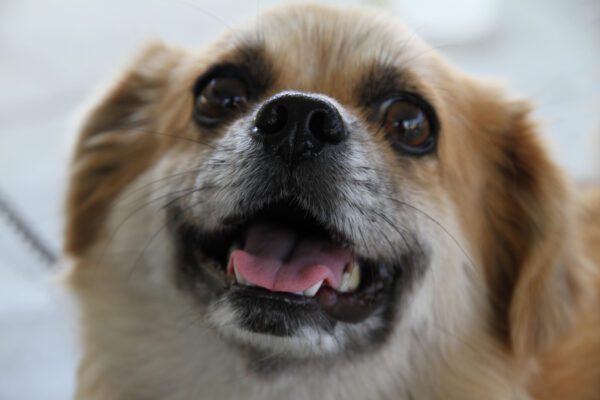
How Much Does It Cost to Adopt a Chorkie in Washington?Most adopters in Washington pay about $250 to $500 to adopt a Chorkie, with puppies sometimes reaching $400 to $650 due to high demand and extra veterinary care. The fee usually covers spaying or neutering, vaccinations, microchipping, and veterinary exams. Some organizations also include a recent dental cleaning for small breeds when needed, which can increase the fee. Age, training, medical care, and demand affect the final cost. Puppies and highly social adults often cost more because they attract many applicants. Dogs that arrive already crate trained or house trained may carry a slightly higher fee. Dogs that receive additional treatment for dental disease, skin conditions, or allergies can cost more because rescues recover part of their medical expenses through adoption fees. |
How Should I Train a Chorkie?Chorkies are bright, affectionate, and eager to learn when training stays fun and consistent. Short sessions with praise and small treats work best because a tiny dog tires quickly. Focus on basics like sit, down, and come, and add name recognition and mat training to build calm behavior at home. Gentle socialization with friendly dogs and people helps reduce reactivity and builds confidence in busy neighborhoods. Common challenges include barking at sounds, selective listening, and slow progress with house training. Prevent problem barking by rewarding quiet moments and teaching a reliable settle cue. Support house training with a predictable schedule, frequent breaks, and crate time that feels safe and positive. For step-by-step guidance that fits small-breed needs, explore Dog Academy’s online training courses, which cover potty training, loose-leash skills, polite greetings, and enrichment tailored to compact companions. |

|
The ideal Chorkie adopter wants a loyal sidekick, enjoys daily short walks, and can provide steady routines. A home or apartment with safe indoor play space and a plan for weather-appropriate gear suits this breed well. Families with gentle children, singles who work from home, and retirees who want companionship often find a great match with a Chorkie.
Preparation leads to a smooth start. Set up a crate, a bed, and food and water stations before pickup. Stock tiny treats, a comfortable harness, and a snug sweater for cool days. Take time to research, ask questions, and move at a thoughtful pace. When you feel ready, browse listings through Dog Academy and choose the Chorkie in Washington that fits your life and your heart.
Introducing a new puppy to your current dog is often an exciting process, and many dogs will become fast friends and eas...
Read More
Rescue dogs can make great companions and can transform your home into something better. These dogs make great pets and ...
Read More
You should never rush to pet a dog. Even dog owners make the mistake of approaching unfamiliar dogs and petting them rig...
Read More
Puppy mill dogs are survivors who have endured extreme hardships in their lives. They have grown up in horrendous, unsan...
Read More
With their wagging tails and comforting presence, adopting a dog can add a unique touch to your life. It’s a heart...
Read More
Older dogs may have a few gray hairs around the edges, but that doesn’t mean they can’t make wonderful companions! T...
Read More