




























































































































































































Introducing a new puppy to your current dog is often an exciting process, and many dogs will become fast friends and eas...
Read MoreAdopt Me

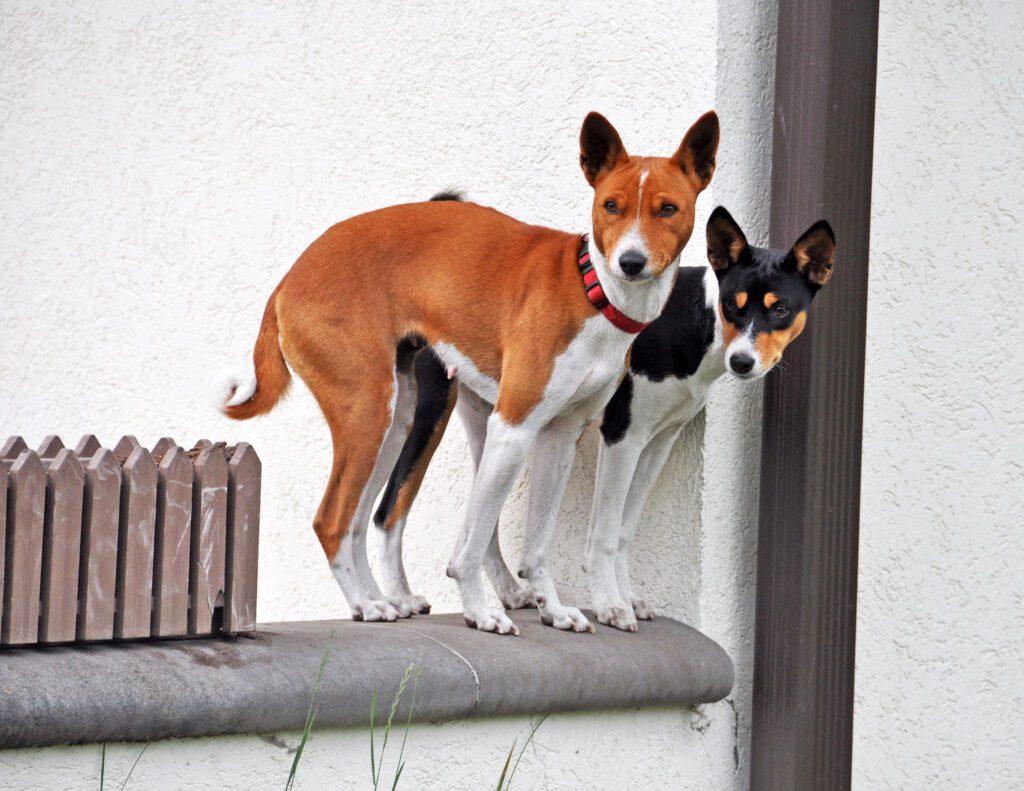
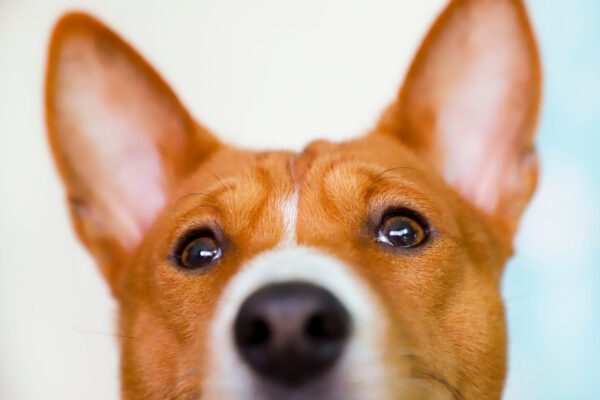
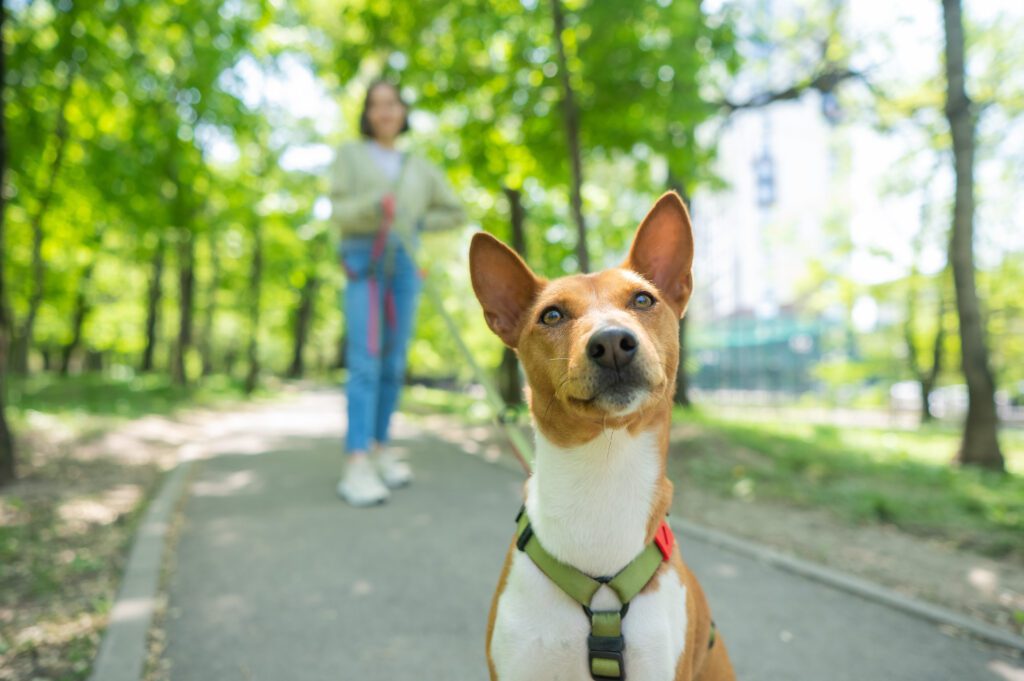
The Basenji is a compact, athletic hound known for keen eyesight, catlike grooming, and a unique yodel instead of a bark. The breed is bright and curious, yet often independent. A Basenji bonds closely with family and thrives when daily exercise meets mental stimulation. Research matters because this is not a typical lapdog. The breed chases wildlife, solves problems quickly, and needs structure.
Adoption gives a dog a second chance and helps reduce overcrowding in shelters and rescues. You gain transparency about temperament and medical history, and you support responsible animal welfare. Adopting is often more affordable than buying, and it directs funds to dogs who need care now. If you want to adopt a Basenji in Pennsylvania, learn about the breed first so your expectations match reality.
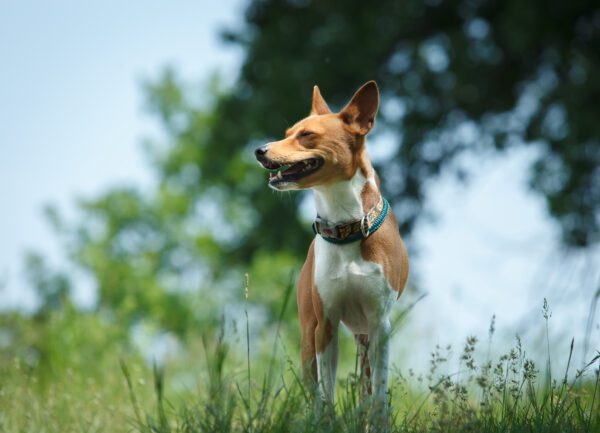
Pennsylvania’s four-season climate suits an active owner who plans for weather. Basenjis have short coats and low body fat, so they feel cold in winter. Expect to use a warm dog coat, limit time outdoors during extreme cold, and dry paws after salt or slush. Summer humidity can be intense, so schedule walks during cooler hours and provide shade and water. The state’s mix of city living, suburbs, and rural trails offers great enrichment, but the breed’s prey drive requires a secure fence and reliable management around deer, squirrels, and small game.
You can skip searching shelters and rescues one by one by using Dog Academy to browse current adoption listings across your region. Dog Academy also provides educational guides and adoption checklists that help you compare dogs, prepare your home, and plan the first 30 days. You can still contact local animal shelters, regional rescues, and breed-specific rescue groups, yet centralized listings save time and help you spot the right match sooner.
Start by browsing listings and reading each profile in full. Look for notes about age, energy level, health, and any training history. Contact the organization to confirm availability and to request details about behavior in foster or shelter care. Submit an application that includes references, proof of housing, and information about your lifestyle. Landlord checks often occur for renters to verify pet policies. Clear, thorough answers speed the process.
After an application review, most groups schedule meet-and-greets. These allow you to observe the dog’s comfort level with new people, children, and resident pets. Bring high value treats and allow the dog to approach at their pace. Many groups complete a home check, which may be virtual or in person, to confirm secure fencing, safe storage for food and chemicals, and a quiet space for decompression. Approval timelines vary, but 1 to 3 weeks is common once a good fit is identified.
If you cannot find a Basenji nearby, ask about transport. Transport is often arranged by rescues to move dogs between locations so adopters and dogs can meet at closer pickup hubs. Some groups use volunteer drivers, while others use licensed carriers. The organization will provide a schedule, route, and requirements for handoff so you can plan safely.
|
How Much Does It Cost to Adopt a Basenji in Pennsylvania?In Pennsylvania, adoption fees for a Basenji typically range from $300 to $500. Young puppies and recently vetted adults land near the top of that range, while older dogs often cost less. Fees may rise to about $550 if the dog received extra medical care or behavior support before placement. Costs reflect age, demand for the breed, prior training, and the level of veterinary care already provided. Most fees include spaying or neutering, vaccinations, microchipping, and veterinary exams. Some organizations also include deworming and a starter supply of preventives. Ask for an itemized list so you know which services are covered and which you will handle after adoption. |
How Should I Train a Basenji?Basenjis are intelligent and observant, which makes training rewarding when you use short sessions and clear goals. The breed can lose interest if drills repeat, so vary exercises and keep lessons upbeat. Use positive reinforcement and pay generously for calm behavior, recall attempts, and polite leash walking. Avoid harsh methods because this breed shuts down under pressure and may disengage. Common challenges include recall around wildlife, chewing from boredom, and door dashing. Build impulse control with stationing on a mat, name recognition, and pattern games. Teach a strong leave it and practice reliable recall with a long line in secure areas. Crate training helps with house manners and safe travel. For step-by-step help, explore Dog Academy’s online training courses, which cover obedience, leash skills, enrichment, and behavior problem solving designed for busy owners. |
|
The ideal Basenji owner enjoys daily walks, structured play, puzzle toys, and clear routines. A secure yard or reliable leashed exercise is essential. Preparation matters as much as enthusiasm. Set up gates, a crate, chew options, and a plan for the first weeks. Take your time, ask detailed questions, and trust the process. When you adopt a Basenji in Pennsylvania with a thoughtful plan, you give a remarkable dog the stable, active home it deserves.

Introducing a new puppy to your current dog is often an exciting process, and many dogs will become fast friends and eas...
Read More
Rescue dogs can make great companions and can transform your home into something better. These dogs make great pets and ...
Read More
You should never rush to pet a dog. Even dog owners make the mistake of approaching unfamiliar dogs and petting them rig...
Read More
Puppy mill dogs are survivors who have endured extreme hardships in their lives. They have grown up in horrendous, unsan...
Read More
With their wagging tails and comforting presence, adopting a dog can add a unique touch to your life. It’s a heart...
Read More
Older dogs may have a few gray hairs around the edges, but that doesn’t mean they can’t make wonderful companions! T...
Read More