




























































































































































































Introducing a new puppy to your current dog is often an exciting process, and many dogs will become fast friends and eas...
Read MoreAdopt Me

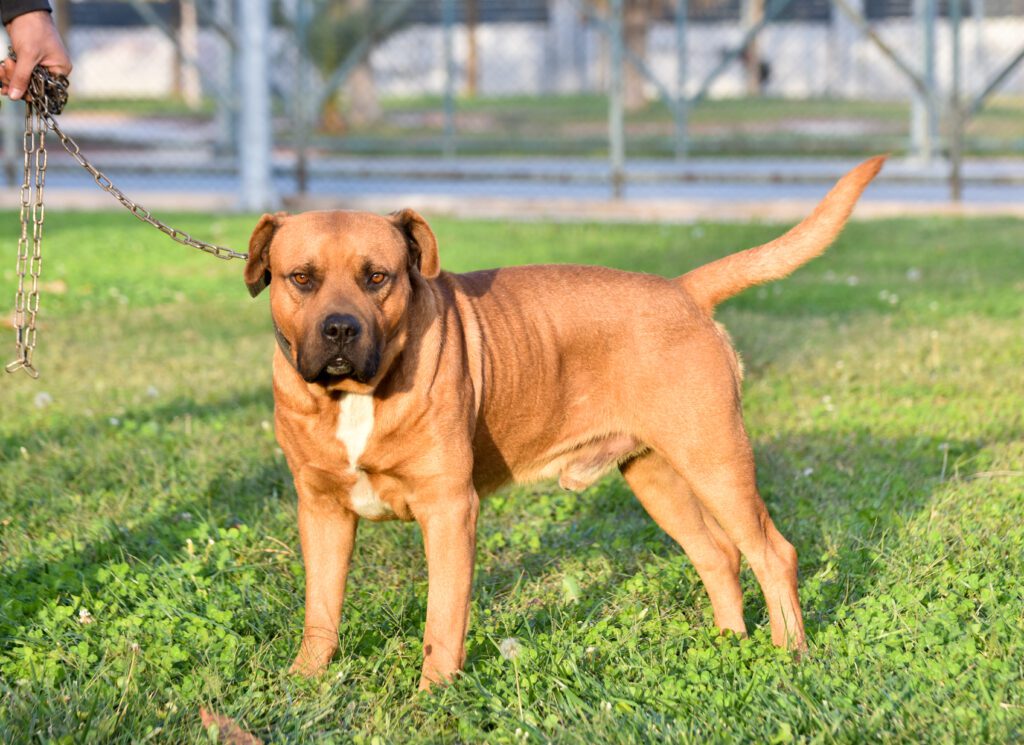

The Boerboel is a powerful, loyal guardian that bonds deeply with family and watches the home with calm confidence. The breed is intelligent, steady, and affectionate with trusted people, yet it needs consistent guidance due to its size and protective nature. Thoughtful research matters before you adopt a Boerboel in Pennsylvania, because this breed thrives with structure, training, and a clear routine.
Adoption gives a deserving dog a second chance while also giving you insight into temperament and needs. Many adoptable Boerboels live in foster homes where caretakers can share real-world behavior notes. Choosing adoption over buying helps reduce overpopulation and supports ethical care for large working breeds.
Pennsylvania’s four-season climate brings hot, humid summers and cold, snowy winters. A Boerboel’s short coat handles heat only with shade, water, and rest, and the breed needs limited midday activity on hot days. Winter requires a warm jacket, shorter outdoor sessions, and safe footing on ice. The state’s mix of cities, suburbs, and rural properties can suit a Boerboel when exercise, secure fencing, and daily training are part of the plan. Apartment life is possible with diligent leash skills, elevator manners, and multiple structured walks each day.
You can avoid searching separately across shelters and rescues by starting with Dog Academy adoption listings. You can browse available Boerboels, learn about each dog’s background, and organize your shortlist in one place. Dog Academy also offers helpful adoption checklists and educational guides that explain breed needs, home preparation, and first-week routines.
You can find adoptable Boerboels through local animal shelters, regional rescues, and breed-specific rescue groups. Many groups list dogs online with detailed notes on age, size, compatibility with children or other pets, and ideal home settings. Reading each profile closely helps you match a dog’s energy level, training history, and medical needs with your lifestyle in Pennsylvania.
The process usually starts by browsing listings and submitting an application that includes household details, proof of homeownership or landlord approval, and veterinary references. Many groups schedule a phone interview to discuss experience with large guardian breeds and expectations for exercise, training, and management. Meet-and-greets follow, often at a neutral location, and all household members should attend so the dog can interact with everyone in a calm, controlled setting. Home checks may be virtual or in person to confirm safe containment, secure fencing, and a plan for daily enrichment. Approval timelines commonly run 1 to 3 weeks, depending on reference responses and scheduling.
Rescues sometimes offer foster-to-adopt placements. A foster-to-adopt placement is a short trial where the dog lives in your home under rescue oversight before finalizing the adoption. Transport is sometimes arranged by rescues to move dogs between locations when the best match lives farther away. Transport typically involves volunteer drivers or professional carriers who follow a planned route, and a separate transport fee may apply. Clear communication with the rescue ensures that travel, timelines, and pickup details are well understood before you commit.

|
How Much Does It Cost to Adopt a Boerboel in Pennsylvania?Expect most Boerboel adoption fees in Pennsylvania to range from $250 to $550. Puppies and young adults often land at the higher end due to demand and more frequent veterinary care, while seniors or special-needs dogs may be lower to encourage placement. Rescues adjust fees based on age, training, medical treatment provided, and overall demand for the breed. Fees usually include spaying or neutering, vaccinations, microchipping, and veterinary exams. Many groups also cover heartworm testing, parasite screening, and basic behavior assessments. Additional costs can include training, equipment, food, and potential transport, so plan a budget that supports a stable transition into your home. |
How Should I Train a Boerboel?The Boerboel is highly intelligent and learns quickly with clear structure and strong motivation. The breed excels when training focuses on calm impulse control, reliable recall, loose-leash walking, and polite greetings. Early and ongoing socialization is essential, and you should introduce new people, places, and sounds in a measured way that keeps the dog under threshold and confident. Positive reinforcement works best for this sensitive guardian. You can reward desired behavior with high-value treats, toys, and praise while you manage the environment to prevent rehearsal of unwanted behaviors. Helpful foundation skills include settle on a mat, leave it, stay, and a solid recall. Cooperative care skills such as muzzle training, handling paws, and accepting exams make vet visits and grooming safer and less stressful for everyone. You can build a complete plan with Dog Academy’s online training courses, which provide step-by-step lessons tailored to puppies, adolescents, and adult rescues. These self-paced lessons teach you how to reinforce calm, redirect pushy behavior, and maintain polite manners around guests and other dogs. Ongoing practice and clear household rules keep a powerful breed responsive and safe in busy Pennsylvania neighborhoods. |

|
The ideal Boerboel adopter is calm, consistent, and ready to guide a large guardian with daily training, mental enrichment, and structured exercise. A secure yard, clear boundaries, and a steady routine help this breed relax and bond.
Take your time, ask detailed questions, and prepare your home before you bring your dog home. When you match a Boerboel’s needs with your Pennsylvania lifestyle, you set the stage for a loyal companion who protects the home and thrives as part of the family.

Introducing a new puppy to your current dog is often an exciting process, and many dogs will become fast friends and eas...
Read More
Rescue dogs can make great companions and can transform your home into something better. These dogs make great pets and ...
Read More
You should never rush to pet a dog. Even dog owners make the mistake of approaching unfamiliar dogs and petting them rig...
Read More
Puppy mill dogs are survivors who have endured extreme hardships in their lives. They have grown up in horrendous, unsan...
Read More
With their wagging tails and comforting presence, adopting a dog can add a unique touch to your life. It’s a heart...
Read More
Older dogs may have a few gray hairs around the edges, but that doesn’t mean they can’t make wonderful companions! T...
Read More