
























































































































































































Introducing a new puppy to your current dog is often an exciting process, and many dogs will become fast friends and eas...
Read MoreAdopt Me

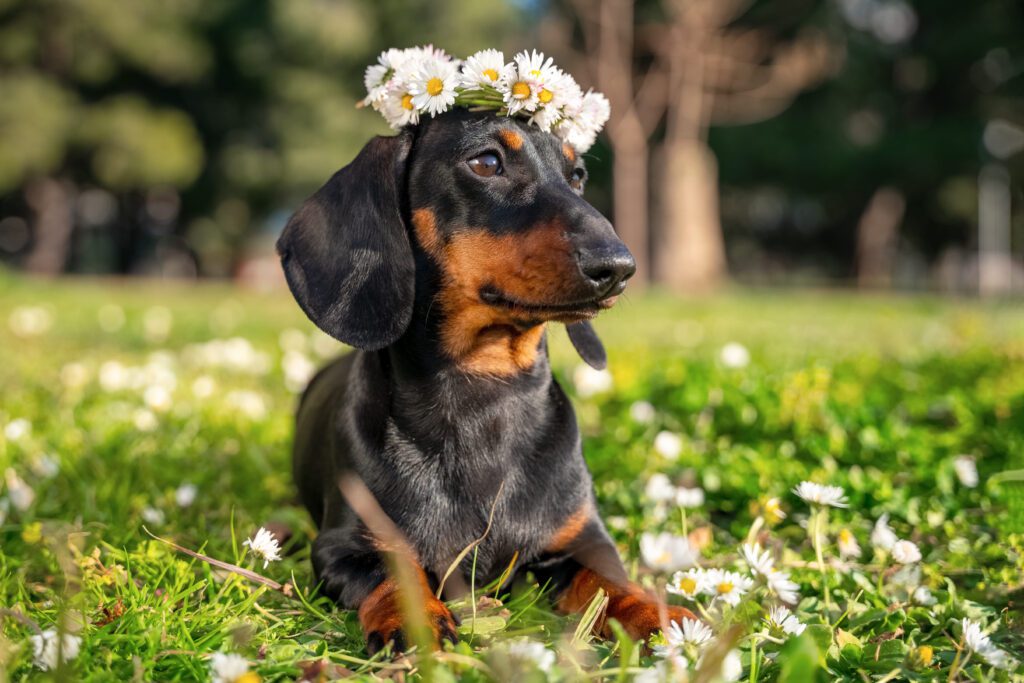


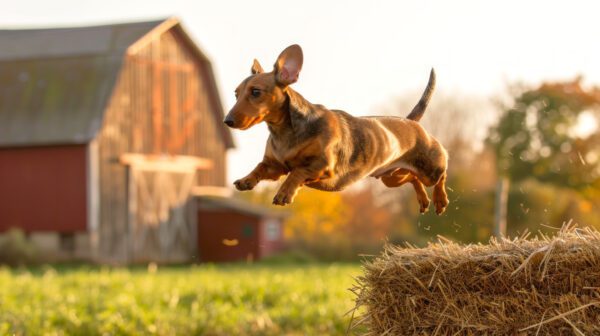
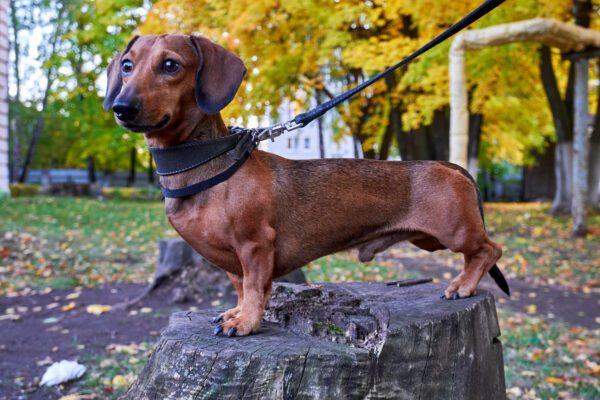
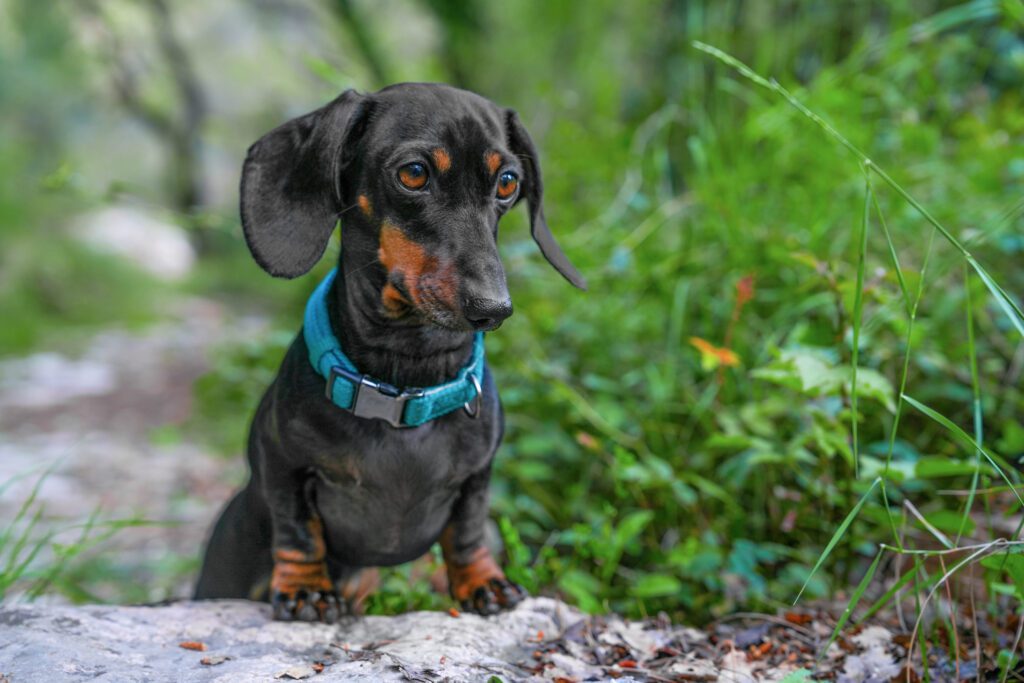
Miniature Dachshunds are lively, affectionate, and brave. They bond closely with their families and love to burrow under blankets after a short burst of play. Their compact size makes them easy apartment companions, yet they still need daily mental enrichment. Research matters because this breed mixes a sweet nature with an independent streak. A thoughtful adopter understands how to channel a strong nose, a persistent voice, and a long back that needs careful handling.
Adoption allows you to give a dog a second chance while you gain support from experienced caregivers. Adopted Miniature Dachshunds often arrive already spayed or neutered and vetted, which reduces your upfront costs and helps you start strong. Choosing adoption over buying also helps reduce irresponsible breeding and keeps space available for other dogs who need help.
Pennsylvania can suit this breed well if you plan ahead. Winters are cold and icy, so a warm coat and limited time on slippery surfaces protect small paws and a delicate spine. Summers can be humid, so shaded walks and fresh water are important. Urban neighborhoods offer short, frequent walks and elevator access that reduce stair use. Rural areas bring wildlife scents that excite a hound, so a secure leash and a sturdy fence keep adventures safe across hills, fields, and wooded trails.
You can avoid searching shelters and rescues one by one by starting with Dog Academy. You can browse current listings, filter for size and age, and learn from clear educational guides and adoption checklists. You can also expand your search to local animal shelters, regional rescues, and breed-specific rescue groups that serve Pennsylvania. Many adoptable Miniature Dachshunds live in foster homes, which helps you learn about temperament, house manners, and daily routines before you commit.
The process usually starts with browsing listings, then submitting an application. Applications often request personal references, veterinary history, and proof of landlord approval when you rent. You should be ready to describe your schedule, training plan, and home setup. Strong answers show that you understand the breed’s needs, including careful stair use and a consistent potty routine for a small bladder.
After an application review, most organizations schedule a meet-and-greet. This visit confirms a good match between the dog and your household. Many groups include a home check, which can be virtual or in person. A home check confirms safe stairs, secure yards, and a plan to prevent jumping on furniture that could strain the back. Approval timelines vary by the dog and the organization, but 1 to 3 weeks is common in Pennsylvania. Popular small breeds can take longer because demand is high and reference checks can take extra time.
If the right dog is not local, rescues sometimes arrange transport between locations. Transport is often completed by volunteer drivers or licensed carriers who move dogs along planned routes. Transport can add time to the process and may include a modest fee to cover fuel and coordination. Coordinators explain schedules, pickup points, and handoff procedures so you know exactly how your new companion will arrive.
|
How Much Does It Cost to Adopt a Miniature Dachshund in Pennsylvania?Most adopters in Pennsylvania can expect fees between $250 and $500 for a Miniature Dachshund. Puppies and high-demand dogs can reach $600, while seniors or special-needs dogs can be lower. Fees vary with age, training, recent medical care, and overall demand. Adoption fees usually include spaying or neutering, vaccinations, microchipping, and veterinary exams. Some organizations may include heartworm testing or a recent dental cleaning. Optional transport, if arranged, can add $50 to $150 based on distance and coordination. |
How Should I Train a Miniature Dachshund?Miniature Dachshunds are smart and food motivated, yet they can be stubborn. Short, upbeat sessions work best. Use positive reinforcement with small treats and cheerful praise. Start with name recognition, sit, come, and hand target, then build leash skills with a comfortable harness. Housetraining improves with a strict schedule, frequent outdoor breaks, and a crate that feels safe and cozy. Manage barking by rewarding quiet moments and giving scent games that satisfy a hound’s nose. Protect the back by teaching off and wait, adding ramps to favorite furniture, and keeping stair use limited. Early socialization builds confidence with new people, children, and friendly dogs. For step-by-step guidance, explore Dog Academy’s online training courses, which offer clear lessons tailored to small breeds and busy families. |
|
The ideal adopter is patient, consistent, and ready to supervise a small dog with a big personality. A good match enjoys daily walks, gentle play, and quiet cuddle time. A prepared home includes safe surfaces, ramp access, a crate for rest, and a plan for cold winters and humid summers. A prepared owner sets a budget for routine care and stays committed to kind training.
Take your time, ask questions, and gather facts from every meet-and-greet. When you adopt a Miniature Dachshund in Pennsylvania, you gain a loyal friend who thrives with structure and love. Start with Dog Academy to browse listings, read checklists, and move forward with confidence.

Introducing a new puppy to your current dog is often an exciting process, and many dogs will become fast friends and eas...
Read More
Rescue dogs can make great companions and can transform your home into something better. These dogs make great pets and ...
Read More
You should never rush to pet a dog. Even dog owners make the mistake of approaching unfamiliar dogs and petting them rig...
Read More
Puppy mill dogs are survivors who have endured extreme hardships in their lives. They have grown up in horrendous, unsan...
Read More
With their wagging tails and comforting presence, adopting a dog can add a unique touch to your life. It’s a heart...
Read More
Older dogs may have a few gray hairs around the edges, but that doesn’t mean they can’t make wonderful companions! T...
Read More