





























































































































































































Introducing a new puppy to your current dog is often an exciting process, and many dogs will become fast friends and eas...
Read MoreAdopt Me

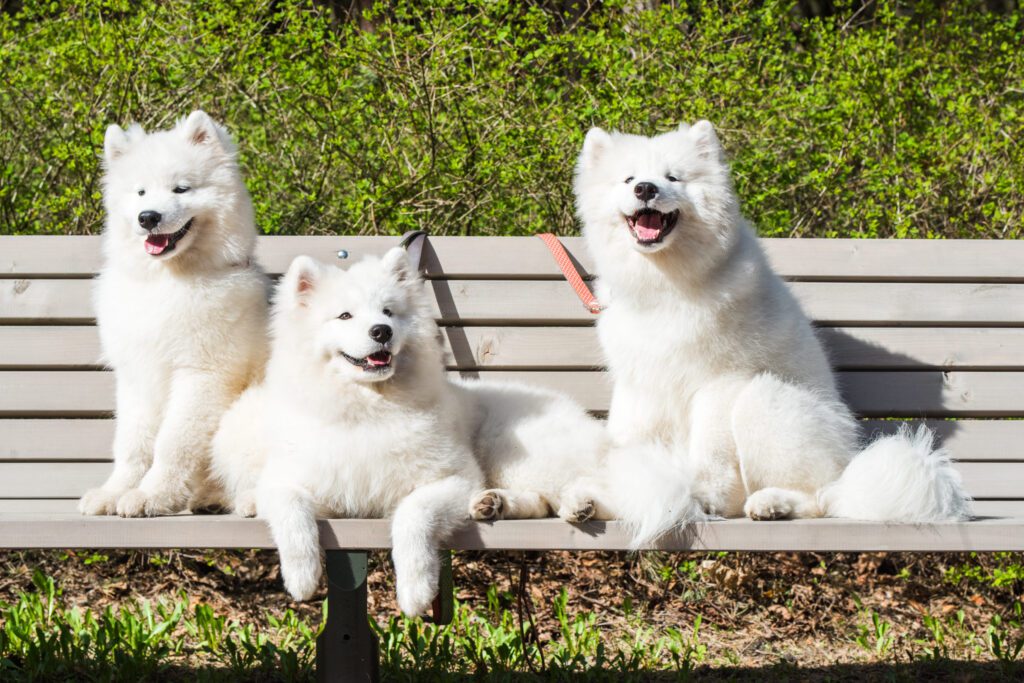
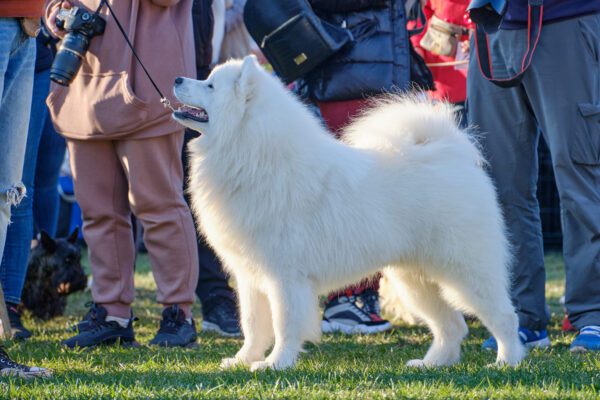
The Samoyed is a cheerful, affectionate, and people-focused dog that thrives on companionship. This breed is energetic and playful, with a signature smile and a thick double coat. A Samoyed loves daily activity, learns quickly, and bonds deeply with a family that provides structure and enrichment. Careful research helps you match a dog’s energy and grooming needs with your lifestyle so you set everyone up for success.
Adoption is a thoughtful choice because it gives a deserving dog a second chance while supporting animal welfare in your community. Many adoptable Samoyeds already receive essential veterinary care and live in foster homes that share helpful insights about behavior. Pennsylvania can be a great fit for this northern breed because cold winters suit a dense coat and snowy playtime can be a joy. Hot and humid summers in Pennsylvania require shade, air conditioning, fresh water, and walks scheduled during cooler hours to keep a Samoyed comfortable and safe.
Pennsylvania’s mix of cities, suburbs, and rural towns offers a wide range of daily routines for a Samoyed. Urban adopters find success with consistent walks, stair or elevator training, and mental games. Suburban and rural households can offer fenced yard time and hikes on local trails. A Samoyed does best with an active owner who enjoys exercise in all seasons and who commits to regular brushing to manage heavy shedding.
You can avoid searching local shelters and rescues one by one by using the adoption listings at Dog Academy. The listings let you browse Samoyeds across Pennsylvania and nearby regions from a single place. Dog Academy also provides educational guides and adoption checklists so you can prepare your home, plan your budget, and understand breed needs before you apply.
Start by browsing listings from local animal shelters, regional rescues, and breed-specific rescue groups. Read each profile carefully and look for details about age, energy level, grooming history, and behavior with children, cats, and other dogs. Ask clear questions about medical records, daily routine, and any training progress so you understand the dog’s needs before you schedule a visit.
Next, complete an application that usually asks for identification, housing information, landlord approval if you rent, and veterinary references for current pets. Many groups schedule a phone interview to discuss your experience and to confirm that your expectations match the dog’s temperament. Meet-and-greets are commonly set at a shelter or at a foster home so you can see how the dog interacts with you and your family. If you have resident pets, most groups recommend a gradual introduction plan to keep stress low and safety high.
Home checks may be virtual or in person. A home check verifies safe containment, a plan for exercise, and secure storage of food and chemicals. Approval timelines vary with application volume and the dog’s needs, but many decisions arrive within 1 to 3 weeks. Some groups offer a short trial period or a foster-to-adopt step to confirm a good match. When the right dog is not local, rescues sometimes arrange transport between locations to place the dog with an approved adopter. Transport is a coordinated trip managed by volunteers or licensed carriers that moves the dog safely from a shelter or foster home to your area, and a modest transport fee may apply to cover fuel and logistics.
|
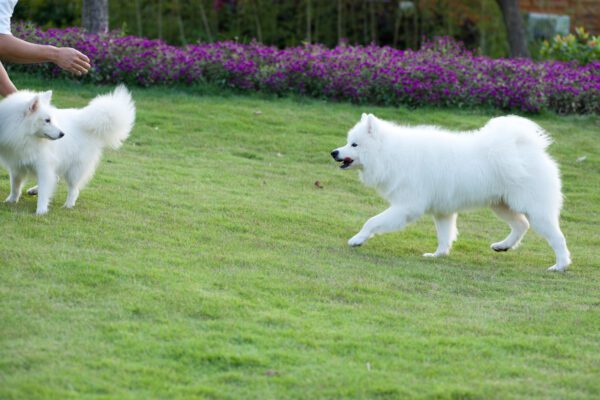
How Much Does It Cost to Adopt a Samoyed in Pennsylvania?In Pennsylvania, you can expect to pay $300 to $650 to adopt a Samoyed. Puppies cluster at the top of that range because of high demand and extra preventive care. Adults often fall in the middle of the range, and seniors usually land at the lower end. Fees typically include spaying or neutering, vaccinations, microchipping, and veterinary exams. Costs can increase when a dog needs dental cleaning, heartworm testing with treatment, professional grooming for a matted coat, or additional training support before placement. |
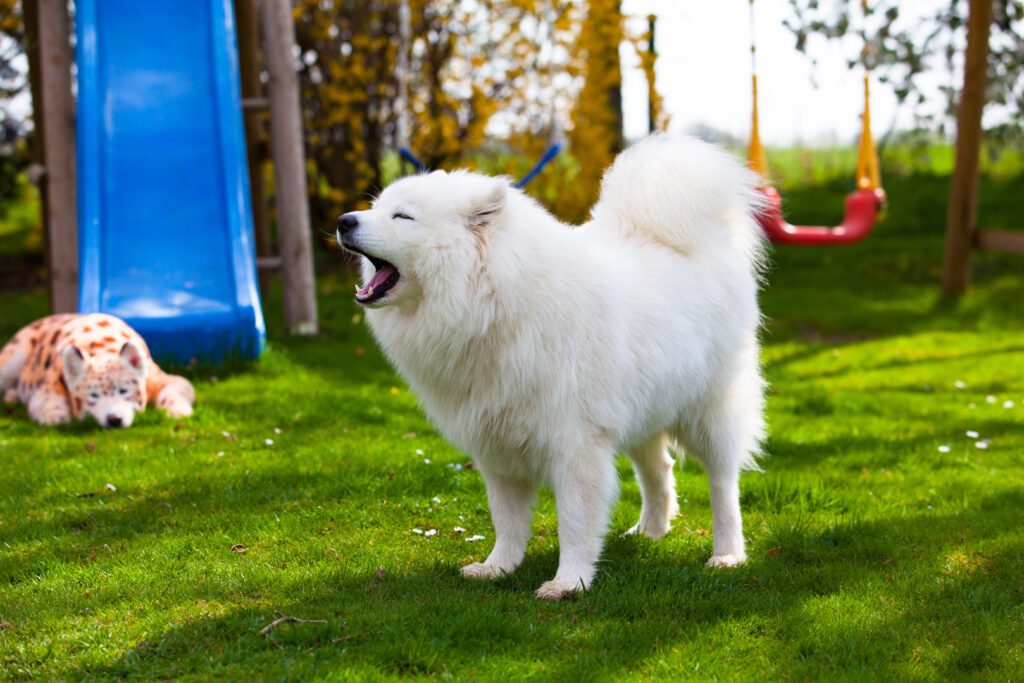
How Should I Train a Samoyed?Samoyeds are bright, social, and eager to learn, but they can be independent. Short, upbeat sessions with food rewards and play keep focus high. Teach foundation skills such as sit, down, stay, recall, and loose-leash walking early. Channel energy with scent games, puzzle feeders, and structured exercise so boredom does not turn into nuisance barking or digging. Consistent routines and clear boundaries help a Samoyed relax and make good choices. Husbandry training is essential for this heavy-coated breed. Teach calm brushing, cooperative nail care, and comfortable handling so grooming stays stress free. Socialize your dog to city noises, elevators, and busy sidewalks if you live in an urban Pennsylvania setting. Introduce polite greetings, settle on a mat, and a cue for quiet to manage vocal tendencies. For step-by-step guidance that fits a busy schedule, explore Dog Academy’s online training courses, which cover new-adopter basics, manners, and advanced skills with positive reinforcement. |
|
The ideal owner for a Samoyed enjoys daily activity, invests in consistent training, and keeps up with regular brushing. Preparation matters because a smart working breed needs structure, patience, and time. Use thorough research, clear expectations, and trusted resources to choose a dog that matches your home and routine. Move at a thoughtful pace, ask questions, and rely on expert guidance so you adopt a Samoyed in Pennsylvania with confidence and care.

Introducing a new puppy to your current dog is often an exciting process, and many dogs will become fast friends and eas...
Read More
Rescue dogs can make great companions and can transform your home into something better. These dogs make great pets and ...
Read More
You should never rush to pet a dog. Even dog owners make the mistake of approaching unfamiliar dogs and petting them rig...
Read More
Puppy mill dogs are survivors who have endured extreme hardships in their lives. They have grown up in horrendous, unsan...
Read More
With their wagging tails and comforting presence, adopting a dog can add a unique touch to your life. It’s a heart...
Read More
Older dogs may have a few gray hairs around the edges, but that doesn’t mean they can’t make wonderful companions! T...
Read More