



























































































































































































Introducing a new puppy to your current dog is often an exciting process, and many dogs will become fast friends and eas...
Read MoreAdopt Me

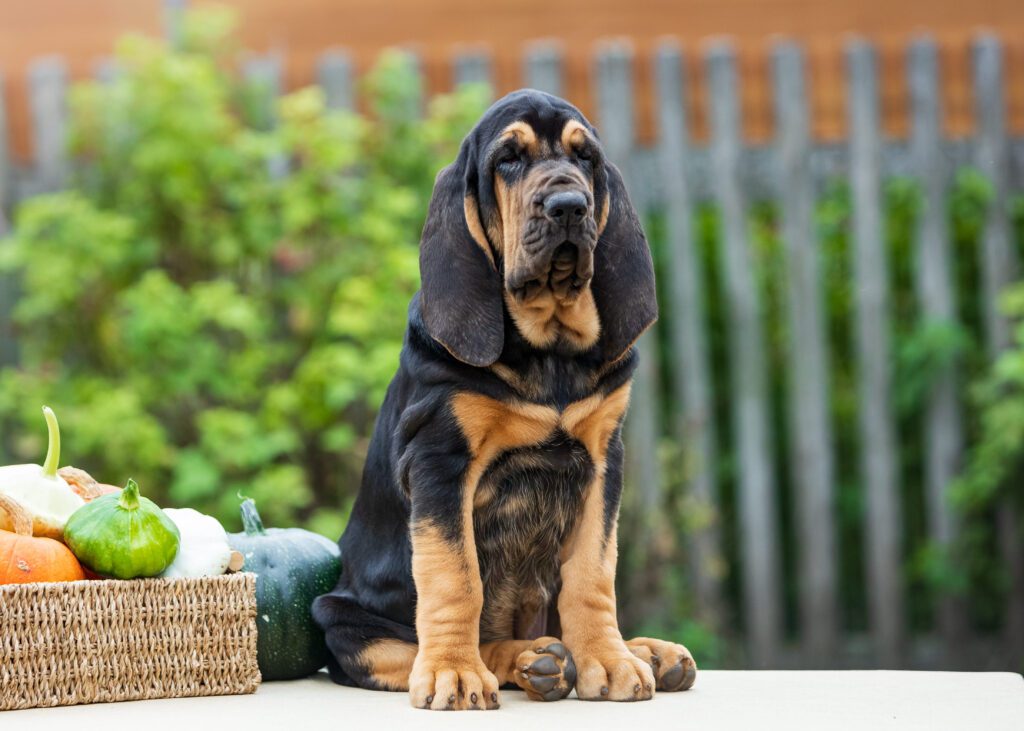

A Bloodhound offers a blend of gentle affection, remarkable scenting ability, and steady companionship. This breed is patient with families, sensitive with handling, and happiest when given a job that engages the nose. Thoughtful research matters before you adopt a Bloodhound, because this large hound thrives with structure, daily exercise, and consistent guidance.
Adoption is a compassionate choice that gives a deserving dog a fresh start while helping reduce the number of dogs waiting in shelters. Pennsylvania offers a strong match for Bloodhounds thanks to abundant hiking trails, rolling countryside, and suburban neighborhoods where daily walks are easy to plan. The state’s climate includes hot, humid summers and cold winters, so a Bloodhound needs shade and water during warm months and a warm indoor space during freezing temperatures.
Bloodhounds do well in homes that provide secure fencing, regular scent-based games, and plenty of time outdoors. City living in Pennsylvania can work if you commit to long walks, calm leash manners, and thoughtful management of baying that may carry in close quarters. A prepared adopter who understands the breed’s needs will enjoy a loyal companion for years.
You can avoid searching for rescues and shelters separately by using Dog Academy’s adoption listings, which gather adoptable dogs from multiple sources in one place. You can browse, filter, and compare dogs, then follow simple next steps without juggling dozens of websites. You can also find educational guides and adoption checklists that help you prepare your home, choose supplies, and plan your first weeks together. Start your search with Dog Academy.
You can also find Bloodhounds through local animal shelters, regional rescues, breed-specific rescue groups, and foster-based networks. You should read each profile closely to understand temperament, energy level, medical history, and any training already in place. You should ask questions about exercise needs, handling tolerance, and how the dog behaves around children, other dogs, and cats.
The adoption process usually starts with browsing listings and submitting an application that includes your household details, landlord permission when you rent, veterinary references, and a plan for training and exercise. After an initial review, many groups schedule meet-and-greets to see how you and the dog connect. Home checks may be virtual or in-person to confirm safe fencing, appropriate indoor space, and secure storage for food and medications. Approval timelines vary by group, but many decisions occur within 3 to 10 days after the meet-and-greet, and more complex cases can take 2 to 3 weeks.
If the right Bloodhound is outside your area, rescues may arrange transport to move dogs between locations. Transport is often arranged by rescues to move dogs between states using volunteer relay drivers or licensed pet transporters. Transport coordination ensures comfort breaks, safe handoffs, and clear communication, and a small additional fee may apply to cover fuel and care during the trip.

|
How Much Does It Cost to Adopt a Bloodhound in Pennsylvania?In Pennsylvania, Bloodhound adoption fees typically range from $250 to $450 for adults and from $350 to $650 for puppies. Fees trend higher for younger dogs with high demand and lower for seniors who need retirement homes. Medical investments, training progress, and length of time in foster care also affect pricing. Most adoption fees include spaying or neutering, vaccinations, microchipping, and veterinary exams. Many groups also provide heartworm testing, parasite screening, and a starter supply of preventatives. A realistic budget should account for a sturdy crate, a well-fitted harness, durable leashes, quality food for a large breed, routine veterinary care, and ongoing training. |
How Should I Train a Bloodhound?Bloodhounds are intelligent, sensitive, and driven by scent, which means they learn quickly when training feels rewarding and relevant. A calm environment, high-value treats, and short, focused sessions help a Bloodhound stay engaged. Positive reinforcement builds trust, and clear criteria ensure the dog understands exactly which behavior earns a reward. Leash manners and recall are common challenges because a Bloodhound’s nose can override other priorities. You should teach reliable attention cues, practice loose-leash walking with frequent rewards, and play recall games that end with a new scent search so the dog feels satisfied. You should also provide daily sniff walks, nose work, and tracking games that channel the breed’s instincts in a constructive way. For step-by-step guidance, you can explore Dog Academy’s online training courses, which offer practical lessons you can apply at home and on the trail. |

|
A great Bloodhound adopter enjoys long walks, values routine, and has patience for a thoughtful training plan. A secure yard, a comfortable indoor space, and time for grooming, ear care, and exercise set this breed up for success. Families who can manage drool, maintain structure, and provide daily mental enrichment will find a devoted partner.
Preparation leads to a smooth transition, so you should gather supplies, set household rules, and plan your first week before pickup day. Take your time, ask clear questions, and choose a dog whose energy and temperament match your lifestyle. When you are ready to adopt a Bloodhound in Pennsylvania, you can begin your search and planning with Dog Academy and move forward with confidence.

Introducing a new puppy to your current dog is often an exciting process, and many dogs will become fast friends and eas...
Read More
Rescue dogs can make great companions and can transform your home into something better. These dogs make great pets and ...
Read More
You should never rush to pet a dog. Even dog owners make the mistake of approaching unfamiliar dogs and petting them rig...
Read More
Puppy mill dogs are survivors who have endured extreme hardships in their lives. They have grown up in horrendous, unsan...
Read More
With their wagging tails and comforting presence, adopting a dog can add a unique touch to your life. It’s a heart...
Read More
Older dogs may have a few gray hairs around the edges, but that doesn’t mean they can’t make wonderful companions! T...
Read More