


























































































































































































Introducing a new puppy to your current dog is often an exciting process, and many dogs will become fast friends and eas...
Read MoreAdopt Me





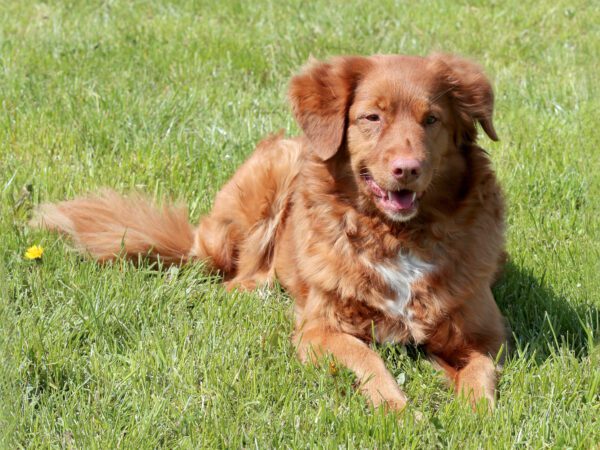
The Nova Scotia Duck Tolling Retriever is an energetic, intelligent, and affectionate companion. This athletic retriever loves water, thrives on games, and bonds closely with family. Many people choose this breed for its cheerful spirit, moderate size, and eagerness to learn.
Thoughtful research sets every adoption up for success. A Toller needs daily exercise, regular mental work, and consistent training. The breed sheds seasonally, carries a dense double coat, and can feel sensitive to harsh handling. Adoption is often preferable to buying because you give a dog a second chance, you typically receive transparent veterinary records, and you often gain support from knowledgeable adoption counselors.
Pennsylvania suits this breed well. The Toller’s weatherproof coat handles cold winters and crisp fall hikes. Summer humidity requires shade, rest, and frequent water breaks. The state’s mix of suburbs, cities, and rural areas offers lakes, trails, and fields for structured activity. Apartment living can work with committed exercise and training, while rural properties require secure fencing because many Tollers love to chase wildlife.
You can avoid searching shelters and rescues one by one by using Dog Academy. You can browse adoptable Nova Scotia Duck Tolling Retrievers across Pennsylvania in a single place, filter by location and age, and follow clear next steps. You can also use Dog Academy guides and adoption checklists to prepare your home, plan your routine, and set a realistic timeline.
Adoptable Tollers appear through local animal shelters, regional rescues, and breed-specific rescue groups. Some dogs arrive as owner surrenders due to life changes. Others come in from transfers when organizations move dogs to areas with more adopters. Availability fluctuates, so patient and steady searching helps.
The process usually starts by browsing listings and submitting an application. Applications often ask about your schedule, home setup, fencing, household members, and veterinary history. You may need landlord approval when you rent. Many groups schedule a meet-and-greet to assess fit, then complete a virtual or in-person home check to confirm safety. Approval timelines vary, though many adoptions move from application to placement within 1 to 3 weeks when references respond quickly and the match is clear. Final steps include signing an adoption contract and paying the fee.
Rescues sometimes arrange transport to move dogs between locations. Transport is organized by staff or volunteers who plan safe routes, share health records, and coordinate handoffs to approved adopters. Some groups use professional pet transport for longer distances and schedule arrival dates once veterinary care is complete.
|
How Much Does It Cost to Adopt a Nova Scotia Duck Tolling Retriever in Pennsylvania?In Pennsylvania, most adopters can expect to pay $300 to $600 for an adult Nova Scotia Duck Tolling Retriever through a shelter or rescue. Puppies often range from $450 to $700 because they receive extra vetting and demand is high. Seniors typically range from $150 to $350 due to age-based discounts that help dogs find homes faster. Fees reflect age, training, medical care, and demand. The adoption package often includes spaying or neutering, vaccinations, microchipping, and veterinary exams. Costs may also cover deworming, heartworm testing, and any needed diagnostics or medications. Well-trained dogs may cost more due to invested time, and dogs with recent surgeries may cost more due to medical expenses. Budget for supplies such as a crate, a collar, a harness, an ID tag, and high quality food so your new dog settles in smoothly. |
How Should I Train a Nova Scotia Duck Tolling Retriever?The Toller is bright, eager, and sensitive, which makes positive reinforcement essential. Reward desired behaviors with food, toys, and play. Keep sessions short, upbeat, and frequent. Focus on reliable recall, loose-leash walking, and impulse control. Provide daily mental work through retrieve games, scent work, and puzzle feeding. Many Tollers vocalize when excited and may mouth during play, so teach a calm settle, a gentle take, and a quiet cue. Consistency matters for this energetic retriever. Aim for 60 to 90 minutes of combined physical and mental exercise each day. Use structured retrieves at the lake, field-style drills, or indoor targeting when weather limits outdoor time. If you want step-by-step help, explore Dog Academy’s online training courses for basics, loose-leash skills, recall training, and enrichment plans built for active breeds. |

|
The ideal adopter enjoys an active lifestyle, values daily training, and provides patient guidance. A fenced yard helps but is not required when you commit to regular outings and thoughtful enrichment. Preparation sets the stage for success, and a calm routine helps your dog decompress during the first weeks at home.
Take your time, ask clear questions, and choose a match that fits your energy, experience, and schedule. With the right plan, you can adopt a Nova Scotia Duck Tolling Retriever in Pennsylvania and enjoy a loyal, lively partner for years to come.

Introducing a new puppy to your current dog is often an exciting process, and many dogs will become fast friends and eas...
Read More
Rescue dogs can make great companions and can transform your home into something better. These dogs make great pets and ...
Read More
You should never rush to pet a dog. Even dog owners make the mistake of approaching unfamiliar dogs and petting them rig...
Read More
Puppy mill dogs are survivors who have endured extreme hardships in their lives. They have grown up in horrendous, unsan...
Read More
With their wagging tails and comforting presence, adopting a dog can add a unique touch to your life. It’s a heart...
Read More
Older dogs may have a few gray hairs around the edges, but that doesn’t mean they can’t make wonderful companions! T...
Read More