


























































































































































































Introducing a new puppy to your current dog is often an exciting process, and many dogs will become fast friends and eas...
Read MoreAdopt Me

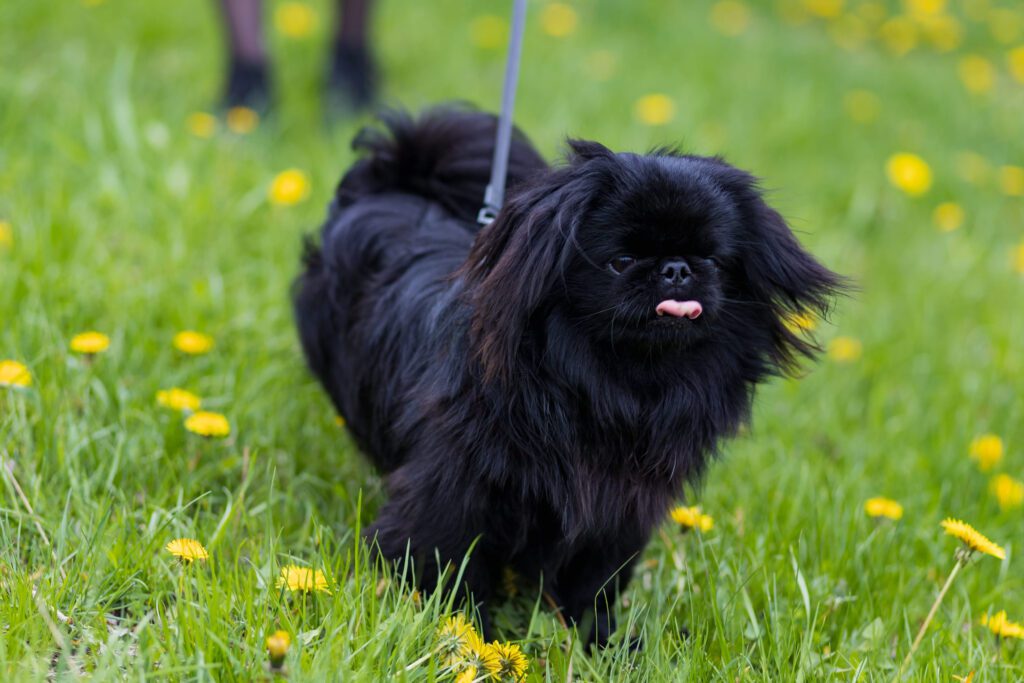
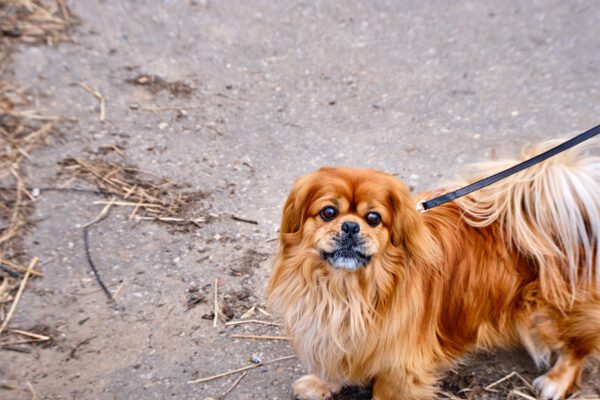
The Pekingese is a loyal and charming companion that offers quiet confidence and devoted affection. This small breed carries a regal presence, yet it loves to nap near its people and enjoy gentle play. A Pekingese does best with short walks, calm routines, and regular companionship, which makes the breed a great choice for many households.
Research matters before you bring any dog home, and it is vital for a breed with unique needs. A Pekingese has a flat face that limits heat tolerance, and the breed needs careful grooming to manage a long double coat. Thoughtful adoption helps you match energy levels, grooming time, and health considerations with your lifestyle. Adoption gives a dog a new start, supports animal welfare in your community, and often provides a dog that is already spayed or neutered and vetted.
Pennsylvania offers many good fits for a Pekingese when you plan ahead. Summers can be warm and humid, and winters can be cold with snow and ice. A Pekingese thrives in climate-controlled homes with short walks during cool hours in summer and protected outings in winter. Urban apartments, suburban homes, and rural properties can all work because this breed needs modest exercise and close human contact. Stairs can strain a small dog, so plan safe routes and carry your Pekingese when needed.
You can avoid searching rescues and shelters separately by using a single, trusted source. Browse adoptable Pekingese through Dog Academy to see dogs from local animal shelters, regional rescues, and breed-specific rescue groups in one place. You can also use Dog Academy educational guides and adoption checklists to prepare your home, plan your first week, and set realistic expectations.
You can also look for adoptable dogs through local animal shelters, regional rescues, and breed-specific rescue groups that operate across Pennsylvania. These organizations post profiles that describe age, temperament, medical history, and adoption requirements. Many groups host meet-and-greet events where you can speak with staff or fosters and learn about each dog’s daily routine.
The process usually begins by browsing listings and identifying dogs that match your needs. You then submit an application that explains your home setup, schedule, and experience, along with proof of address and landlord approval if you rent. Most groups conduct a phone or video interview to discuss expectations and to confirm fit. Next, you schedule a meet-and-greet at a shelter or in a foster home, and you bring all household members to ensure a safe match. Some groups complete a home check that is in person or virtual to confirm safety and to offer suggestions for setup. Approval timelines vary by group and by dog, but many adoptions move from application to decision within 3 to 14 days when paperwork and scheduling move quickly.
If the right Pekingese is outside your immediate area, rescues sometimes arrange transport to move dogs between locations. Transport is often arranged by rescues to move dogs between states when a preapproved adopter is ready. Coordinators plan routes, and volunteer drivers or licensed carriers move dogs safely with rest breaks and health certificates when required. You usually meet at a designated pickup point or receive a direct handoff at your home, and the group explains costs and timing in advance.
|
How Much Does It Cost to Adopt a Pekingese in Pennsylvania?In Pennsylvania, most adopters pay $250 to $450 to adopt a Pekingese. Puppies and dogs that receive recent specialty care, such as dental procedures or corrective surgeries, can reach $500 to $600. Fees usually cover spaying or neutering, vaccinations, microchipping, and veterinary exams. Toy breeds often need routine dental care, and recent cleanings or extractions can raise the fee. Location, season, and the number of available Pekingese can also influence pricing. Age, training, medical care, and demand affect cost and value. Seniors often cost less and may come with calmer energy and known house manners. Young adults often cost more when they include recent training or behavior support. Medical care that is completed before adoption reduces your initial expenses. Demand for small companion breeds can increase fees when many families apply for the same dog. |
How Should I Train a Pekingese?The Pekingese is intelligent, observant, and independent. The breed learns quickly when you keep sessions short and upbeat. Use soft voices, frequent rewards, and simple steps. Positive reinforcement builds trust, and it helps a thoughtful dog choose calm behavior without pressure. House training improves with a fixed schedule, frequent outdoor breaks, and calm praise for timely elimination. Crate training creates a safe den and supports travel and rest. Leash skills and recall improve when you reward close attention on quiet streets and in quiet yards. Many Pekingese are alert barkers, so teach a quiet cue and reward silence after a single alert. Protect your dog from heat during training by using short sessions, cool surfaces, and indoor play when temperatures rise. For structured guidance, explore Dog Academy’s online training courses that cover new-dog essentials, house training, leash manners, and enrichment tailored for small breeds. |

|
The ideal home for a Pekingese offers gentle handling, predictable routines, and time together each day. Families with older children who respect small dogs, retirees who enjoy quiet companionship, and professionals who work from home often provide a great match. Consistent grooming, climate control, and mindful exercise help this breed stay comfortable and confident.
Preparation sets you up for success. Gather grooming tools, a properly sized crate, soft harnesses, and winter and summer gear that protects your dog in Pennsylvania weather. Choose a veterinarian before adoption and plan your first wellness visit. Take your time, ask thoughtful questions, and use trusted resources. With careful research and a patient approach, you can adopt a Pekingese in Pennsylvania and welcome a loving companion into your life.

Introducing a new puppy to your current dog is often an exciting process, and many dogs will become fast friends and eas...
Read More
Rescue dogs can make great companions and can transform your home into something better. These dogs make great pets and ...
Read More
You should never rush to pet a dog. Even dog owners make the mistake of approaching unfamiliar dogs and petting them rig...
Read More
Puppy mill dogs are survivors who have endured extreme hardships in their lives. They have grown up in horrendous, unsan...
Read More
With their wagging tails and comforting presence, adopting a dog can add a unique touch to your life. It’s a heart...
Read More
Older dogs may have a few gray hairs around the edges, but that doesn’t mean they can’t make wonderful companions! T...
Read More