




























































































































































































Introducing a new puppy to your current dog is often an exciting process, and many dogs will become fast friends and eas...
Read MoreAdopt Me

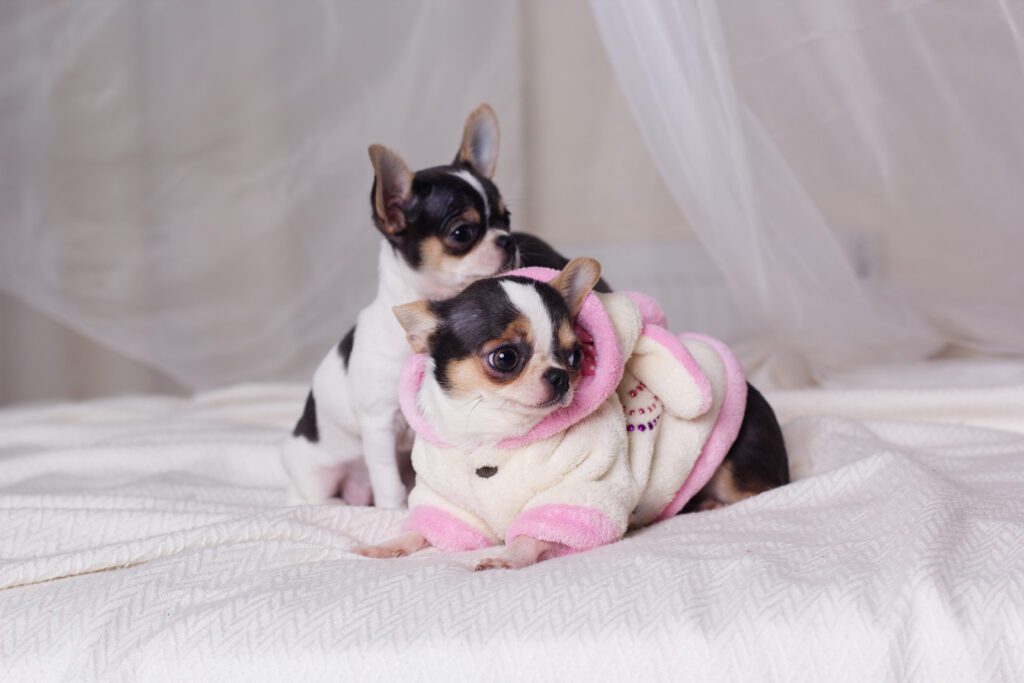


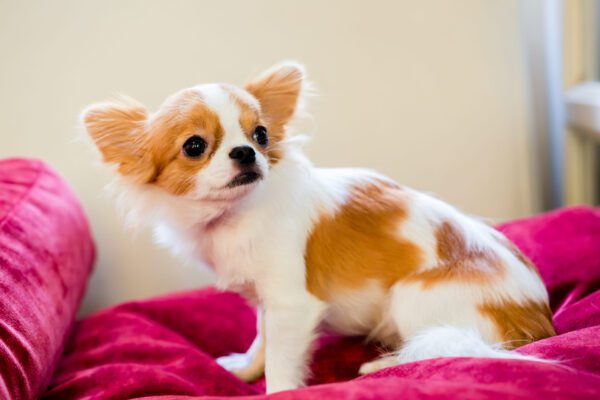
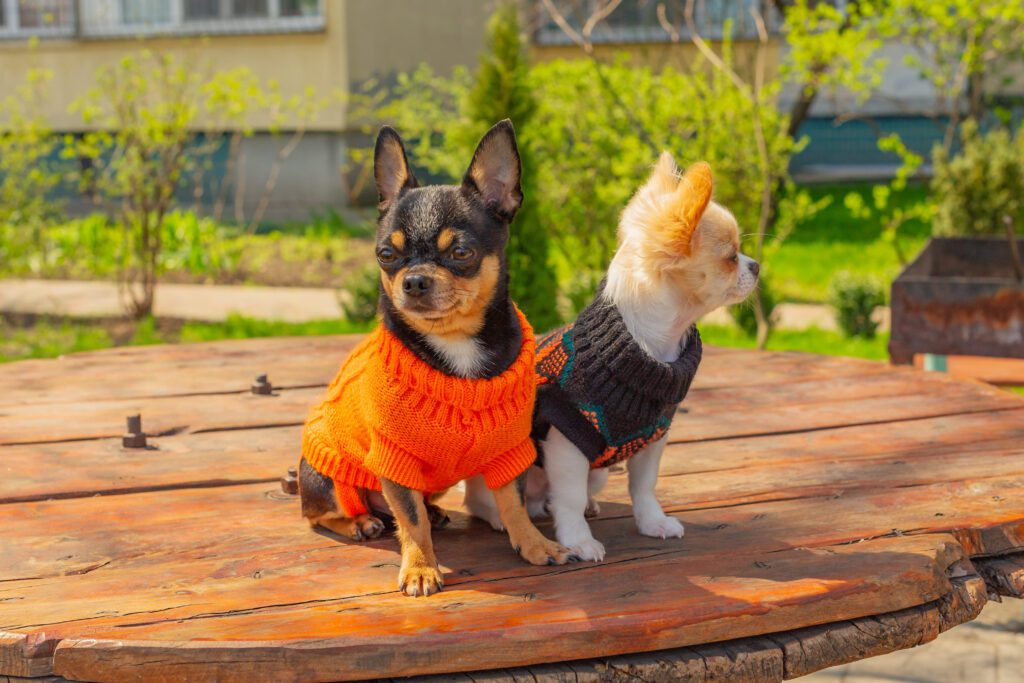
Teacup Chihuahuas are tiny dogs with big personalities. They tend to bond closely with one or two people and they often thrive on lap time and gentle attention. Many enjoy short play sessions and quick walks, and they usually prefer quiet routines. Their size makes them easy to manage in apartments, yet their confident nature means they still benefit from structure and clear boundaries.
Thoughtful research matters before you adopt a Teacup Chihuahua in Pennsylvania. The term teacup is a marketing label rather than a separate breed, and very small dogs may need extra veterinary care and careful handling. Adoption gives a deserving dog a second chance and it helps reduce demand for irresponsible breeding. It also gives you a known history, a completed health check, and support from knowledgeable volunteers.
Pennsylvania offers plenty of dog friendly living, yet its climate can challenge such a small companion. Winters can be cold and snowy across much of the state, and summers can be hot and humid. A Teacup Chihuahua needs warm clothing in winter, limited time outdoors in severe weather, and shaded walks on warm days. Urban neighborhoods, suburbs, and rural areas can all work well when you provide safe indoor spaces, supervision around wildlife, and secure fencing to prevent escapes.
You can avoid searching rescues and shelters one by one by browsing Dog Academy adoption listings. You can filter by location and size, read profiles, and save time while reviewing consistent information. You can also use Dog Academy guides and checklists to understand breed needs, plan your budget, and prepare your home.
In Pennsylvania, adoptable Teacup Chihuahuas are most often found through local animal shelters, regional rescues, and breed-specific rescue groups. You can start by reviewing listings daily, then submit an application that details your experience, lifestyle, schedule, and housing. Many groups ask for landlord approval if you rent, personal references, and veterinary references if you already have pets.
After a successful application review, most organizations schedule a meet and greet. This visit helps you understand the dog’s energy level, handling tolerance, and comfort around family members. A home check often follows. This step confirms that your space is safe for a very small dog, that exits are secure, and that fragile furniture or high stairs are managed. Home checks can be virtual or in person depending on the group.
Approval timelines vary by organization and by the number of applicants. Many adoptions in Pennsylvania finalize within 1 to 2 weeks once you submit a complete application. Puppies or highly sought small adults may receive several applications, which can lengthen the wait. Some rescues arrange transport to move dogs between shelters or states when a strong match is found. Transport typically involves volunteer drivers or partner services that move the dog to a central meeting point. The group will explain scheduling and any required health certificates.
|
How Much Does It Cost to Adopt a Teacup Chihuahua in Pennsylvania?In Pennsylvania, adoption fees for very small Chihuahuas typically range from $200 to $450. Younger dogs and dogs that received recent medical care usually sit at the higher end of the range. Senior dogs or dogs that need ongoing care may be placed at a similar fee to encourage experienced adopters while offsetting recent veterinary work. Fees reflect services that the organization has already completed. These services often include spaying or neutering, vaccinations, microchipping, and veterinary exams. Costs can shift with age, training, medical care, and demand. Dental cleanings, bloodwork, and specialty diagnostics can raise the fee. Dogs with established house manners and basic training may also cost more because they are in high demand. |
How Should I Train a Teacup Chihuahua?Chihuahuas are bright and responsive when you use clear rewards. Keep sessions short and upbeat. Reward calm behavior, quiet sits, and eye contact with tiny treats. Small dogs can become pushy when owners overlook boundaries, so teach simple cues like sit, down, wait, and go to mat to build self control. House training can be challenging due to a tiny bladder and cold winters in Pennsylvania. Take your dog out on a consistent schedule, reward each success, and use a warm coat to encourage outdoor trips in cold weather. Many families add an indoor potty area for backup during storms or icy mornings. Crate training provides a safe den and helps structure naps and nighttime. Always pair the crate with positive reinforcement so the dog chooses to relax there. Leash manners and socialization protect a very small dog. Use a soft harness to reduce pressure on the neck because small breeds are prone to tracheal irritation. Introduce calm, friendly dogs at a distance and reward relaxed behavior. If your dog barks or becomes worried, increase space and try again at an easier level. For step by step coaching, explore Dog Academy’s online training courses that cover foundation skills, polite leash walking, and confidence building for small companions. |
|
The ideal adopter is patient, gentle, and home often enough to provide frequent breaks and quiet companionship. A secure yard or careful leash use keeps a tiny dog safe. Budget for routine veterinary care and plan for dental cleanings, warm clothing in winter, and a harness that fits well.
Preparation leads to a smooth transition. Take time to research, gather supplies, and ask questions during the process. When you move at a thoughtful pace and match on energy, health needs, and lifestyle, you set the stage for a safe and happy life with your Teacup Chihuahua in Pennsylvania.

Introducing a new puppy to your current dog is often an exciting process, and many dogs will become fast friends and eas...
Read More
Rescue dogs can make great companions and can transform your home into something better. These dogs make great pets and ...
Read More
You should never rush to pet a dog. Even dog owners make the mistake of approaching unfamiliar dogs and petting them rig...
Read More
Puppy mill dogs are survivors who have endured extreme hardships in their lives. They have grown up in horrendous, unsan...
Read More
With their wagging tails and comforting presence, adopting a dog can add a unique touch to your life. It’s a heart...
Read More
Older dogs may have a few gray hairs around the edges, but that doesn’t mean they can’t make wonderful companions! T...
Read More