





























































































































































































Introducing a new puppy to your current dog is often an exciting process, and many dogs will become fast friends and eas...
Read MoreAdopt Me

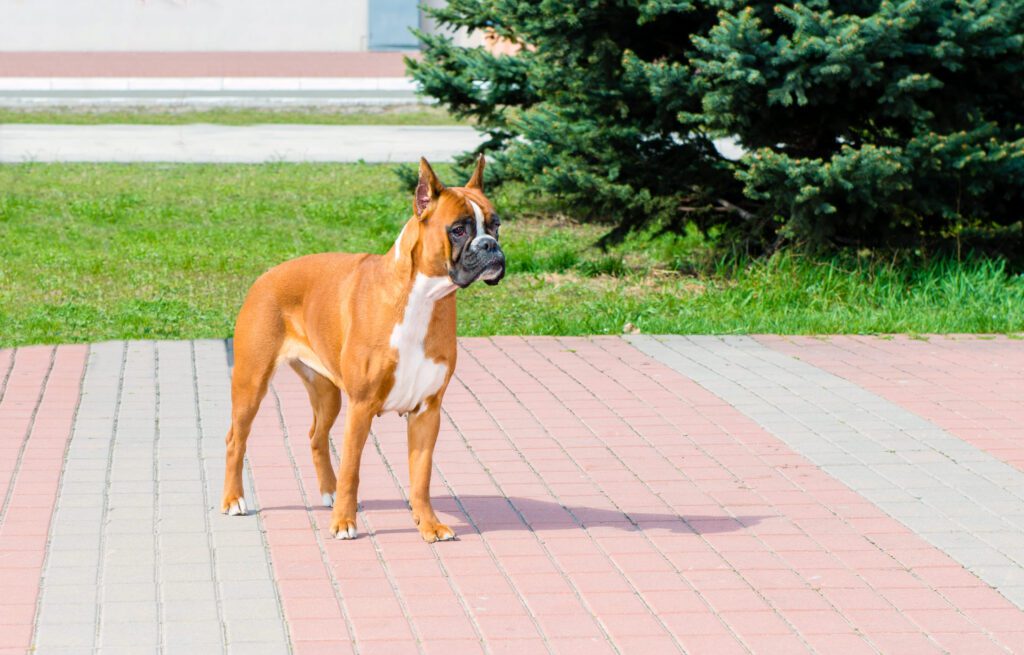
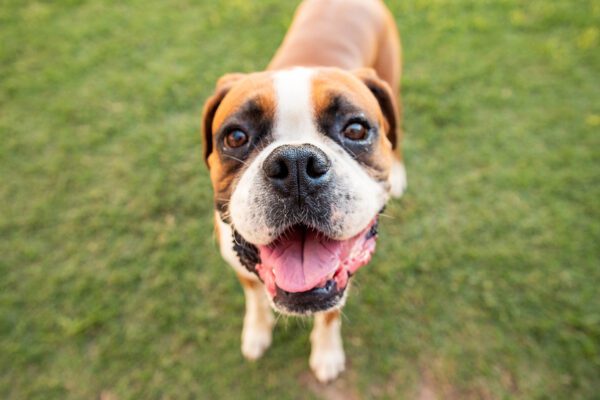
Boxers are playful, people-focused, and brave. The breed blends athletic stamina with a goofy sense of humor, which makes a Boxer a favorite for active families. A well-bred and well-trained Boxer is affectionate with children, loyal with adults, and eager to join every household activity.
Research is essential before you adopt a Boxer. This breed needs daily exercise, early socialization, and steady training. Adoption is a thoughtful choice because it helps a dog in need, and it often provides helpful background from foster notes. Adopting can also reduce guesswork since many Boxers enter care with known temperaments, basic manners, or crate skills.
Pennsylvania can be a great fit for a Boxer with the right plan. Summers can feel hot and humid, which requires shade, cool water, and mid-day rest since Boxers do not tolerate heat well. Winters can be cold and snowy, which means a warm coat, short outdoor breaks, and indoor exercise. Urban neighborhoods offer sidewalks and dog-friendly green spaces, while suburbs and rural areas provide yards and trails. A Boxer thrives when living indoors with the family and enjoying structured outdoor time across Pennsylvania’s varied geography.
You can avoid searching shelters and rescues one by one by starting with Dog Academy. Dog Academy’s adoption listings gather Boxer profiles from multiple sources, which makes browsing simple and efficient. You can also use Dog Academy’s educational guides and adoption checklists to prepare your home and your routine.
To adopt a Boxer in Pennsylvania, begin by browsing listings through local animal shelters, regional rescues, and breed-specific rescue groups. Read each profile carefully to confirm age, energy level, medical notes, and lifestyle needs. Contact the organization that is caring for the dog to confirm availability and to ask questions about temperament, house manners, and any training history.
Most groups ask you to complete an application that explains your household, schedule, experience with dogs, and veterinary history. You may be asked for personal references and landlord permission if you rent. Approval timelines usually range from 3 to 14 days, and high-demand dogs can take longer because teams review more applications. Clear communication and complete answers help your application move forward.
After initial approval, many groups arrange a meet-and-greet. Bring all family members so the team can see how everyone interacts. If you have a resident dog, introductions usually happen on neutral ground to reduce tension. A home check often follows, which can be virtual or in person, to confirm safe fencing, secure storage for food and medications, and a comfortable indoor space. Final steps usually include signing an adoption contract, paying the fee, showing identification, and scheduling a pickup date.
Some organizations offer foster-to-adopt for a short period, which allows you to confirm the match while support remains in place. Transport may also be arranged by rescues to move dogs between shelters or states when the best match lives elsewhere. Transport typically involves scheduled routes, veterinary paperwork, and coordinated pickup points to keep the dog safe and reduce travel stress.
|
How Much Does It Cost to Adopt a Boxer in Pennsylvania?In Pennsylvania, Boxer adoption fees usually range from $250 to $500 for adults and from $350 to $650 for puppies. Fees are influenced by age, training, medical care, and demand. Puppies and highly social adults often sit at the higher end because they receive more applications and require age-appropriate veterinary care. Most adoption fees include spaying or neutering, vaccinations, microchipping, and veterinary exams. Fees may also include heartworm testing and deworming. Costs can rise if the Boxer received advanced care such as dental work or treatment for orthopedic issues. A dog with proven house training or basic obedience can also carry a higher fee because preparation lowers your initial training workload. |
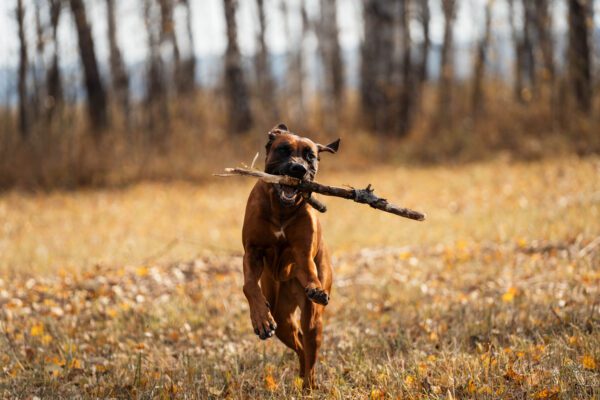
How Should I Train a Boxer?Boxers are intelligent, athletic, and eager to connect with people. They learn quickly when lessons feel upbeat and consistent. Positive reinforcement with food, toys, and praise keeps a Boxer engaged and motivated. Short sessions with clear cues help a young Boxer focus and build reliable habits. Common challenges include jumping to greet, pulling on leash, and mouthing during play. Teach polite greetings by rewarding four paws on the floor. Build loose-leash skills with frequent rewards for walking at your side. Add impulse control through sit, down, and stay around daily distractions. Socialize early and often with calm dogs, friendly people, traffic sounds, and new surfaces to promote confidence. Daily exercise matters for behavior and health. Aim for brisk walks, structured play, and brain games such as scent work or puzzle feeders. Crate training supports safe rest and prevents destructive chewing when you cannot supervise. For step-by-step help, try Dog Academy’s online training courses, which provide clear lessons you can follow at home at your own pace. |
|
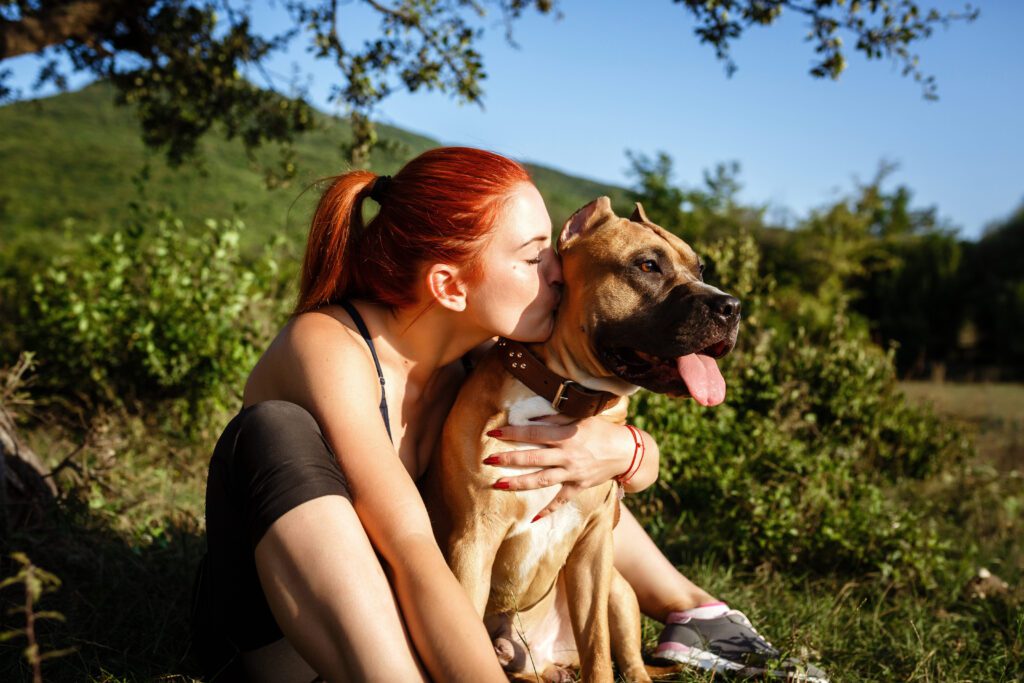
The ideal Pennsylvania adopter enjoys daily activity, sets consistent rules, and plans indoor family time. A Boxer does best with someone who provides exercise, mental enrichment, and steady training. Preparation matters, which includes supplies, a veterinary plan, and a schedule for walks and play.
Take your time, ask questions, and focus on fit rather than speed. When you adopt a Boxer in Pennsylvania with thoughtful planning, you support a dog in need and welcome a loyal companion who thrives in your home and in your routine.

Introducing a new puppy to your current dog is often an exciting process, and many dogs will become fast friends and eas...
Read More
Rescue dogs can make great companions and can transform your home into something better. These dogs make great pets and ...
Read More
You should never rush to pet a dog. Even dog owners make the mistake of approaching unfamiliar dogs and petting them rig...
Read More
Puppy mill dogs are survivors who have endured extreme hardships in their lives. They have grown up in horrendous, unsan...
Read More
With their wagging tails and comforting presence, adopting a dog can add a unique touch to your life. It’s a heart...
Read More
Older dogs may have a few gray hairs around the edges, but that doesn’t mean they can’t make wonderful companions! T...
Read More