











































































































































































Introducing a new puppy to your current dog is often an exciting process, and many dogs will become fast friends and eas...
Read More
How to Introduce a New Puppy to Your Dog
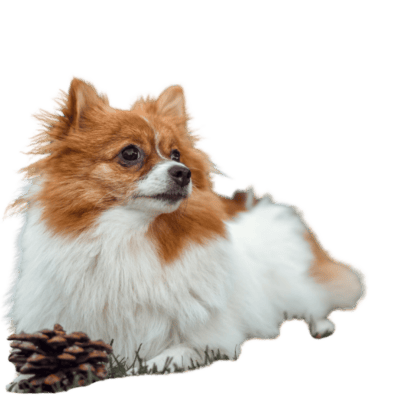
The Papillon Dog is a cheerful, graceful, and highly intelligent companion. This small breed loves people and thrives on attention and training games. The elegant butterfly ears are striking, yet the heart behind them is even brighter. A Papillon dog usually enjoys learning new tricks, tagging along on errands, and cuddling with family. Careful research before you adopt ensures that this lively toy dog matches your routine and your goals.
Adoption offers a direct way to give a deserving dog a loving home. It also supports the lifesaving work of shelters and rescues that evaluate dogs and provide essential medical care. Choosing to adopt a Papillon Dog in Pennsylvania can reduce demand for breeding and can bring you a dog that has already received vetting and temperament checks. Many adoptable Papillons are house trained and social, which helps new owners start strong.
Pennsylvania has four distinct seasons, with hot summers and cold winters that bring snow and ice. A Papillon has a fine, silky coat that does not protect well from freezing temperatures. A warm jacket and careful paw care help during winter walks on salted sidewalks. The state blends busy cities, small towns, and rural spaces. A Papillon does well in apartments and single-family homes as long as daily exercise and mental stimulation are consistent. Short neighborhood walks, indoor play, and training sessions suit this nimble breed, while longer hikes require close supervision and reliable leash manners.
You can skip searching shelters and rescues one by one by using Dog Academy to browse current adoption listings in one place. Dog Academy also offers clear adoption checklists and step-by-step guides that help you compare options, prepare your home, and ask the right questions. You can still explore local animal shelters, regional rescues, and breed-specific rescue groups if you want more choices. Many organizations share available dogs through online profiles that include age, size, medical history, and behavior notes.
The adoption process usually begins with browsing listings, then submitting an application that outlines your home, schedule, and experience. Most groups request personal references and a landlord approval letter if you rent. Some groups ask for proof of current pet vaccinations. After the application review, you schedule a meet-and-greet where the dog interacts with your family and any resident pets. Many organizations complete a home check, which can be in person or virtual, to confirm safety and readiness. Approval timelines vary by group. A municipal shelter may approve within 3 to 10 days. A foster-based rescue often needs 1 to 3 weeks to coordinate volunteers and finalize paperwork.
Transport is sometimes arranged by rescues to move dogs between locations. Coordinators plan safe travel using volunteer drivers or licensed carriers, and dogs ride in secure crates with planned rest stops. You might meet at a central pickup point or at the rescue facility. A small transport fee can apply to cover fuel and supplies. If a dog comes from outside the state, the rescue manages health certificates and vaccination records so the transfer follows state rules. Always confirm the timeline and what to bring on pickup day, such as a fitted harness, a secure leash, and an identification tag.
Most adopters can expect to pay around $300 to $550 to adopt a Papillon Dog in Pennsylvania. The lower end usually reflects adult dogs placed through shelters. The higher end often reflects puppies or dogs from breed-focused groups that invest in extensive care and training. Location, demand, age, and medical needs all affect the final fee.
Adoption fees often include spaying or neutering, vaccinations, microchipping, and veterinary exams. Many groups also provide a heartworm test, a fecal test, and basic grooming. A recent dental cleaning can increase the fee because it requires anesthesia and specialized care. Training progress, such as crate training and house training, can also influence price. Expect to budget for a license, a first vet visit with your own clinic, and starter supplies such as a crate, a bed, food, and treats.
Papillons are quick learners with strong focus and a big desire to please. The breed responds best to positive reinforcement that uses food rewards, toys, and praise. Short, upbeat sessions build engagement and prevent frustration. Clear markers and consistent routines help a Papillon master core skills like sit, down, stay, and come. Many Papillons excel in trick training and agility because the work challenges both mind and body.
Common challenges include alert barking, overexcitement with guests, and house training setbacks during cold or rainy weather. You can manage barking by rewarding quiet behavior, teaching a hand target, and reinforcing a calm settle on a mat. You can improve house training by keeping a tight schedule, using a covered potty area in bad weather, and rewarding outdoor success every time. Gentle handling is important because Papillons are sensitive to tone. For structured help, explore Dog Academy’s online training courses, which guide you through foundation skills, leash manners, reliable recall, and enrichment tailored to a small, energetic companion.
A great match for a Papillon Dog owner is someone who enjoys daily interaction, wants a portable companion, and values training and play. Preparation matters. Set up safe confinement, gather well-fitted gear, and plan a routine that mixes walks, puzzle toys, and short training sessions.
Take your time, read profiles carefully, and ask detailed questions about health, temperament, and energy level. When you are ready to adopt a Papillon Dog in Pennsylvania, use Dog Academy to compare options, follow a practical checklist, and welcome the right companion with confidence.
Introducing a new puppy to your current dog is often an exciting process, and many dogs will become fast friends and eas...
Read More
Rescue dogs can make great companions and can transform your home into something better. These dogs make great pets and ...
Read More
You should never rush to pet a dog. Even dog owners make the mistake of approaching unfamiliar dogs and petting them rig...
Read More
Puppy mill dogs are survivors who have endured extreme hardships in their lives. They have grown up in horrendous, unsan...
Read More
With their wagging tails and comforting presence, adopting a dog can add a unique touch to your life. It’s a heart...
Read More
Older dogs may have a few gray hairs around the edges, but that doesn’t mean they can’t make wonderful companions! T...
Read More