















































































































































































Introducing a new puppy to your current dog is often an exciting process, and many dogs will become fast friends and eas...
Read MoreAdopt Me

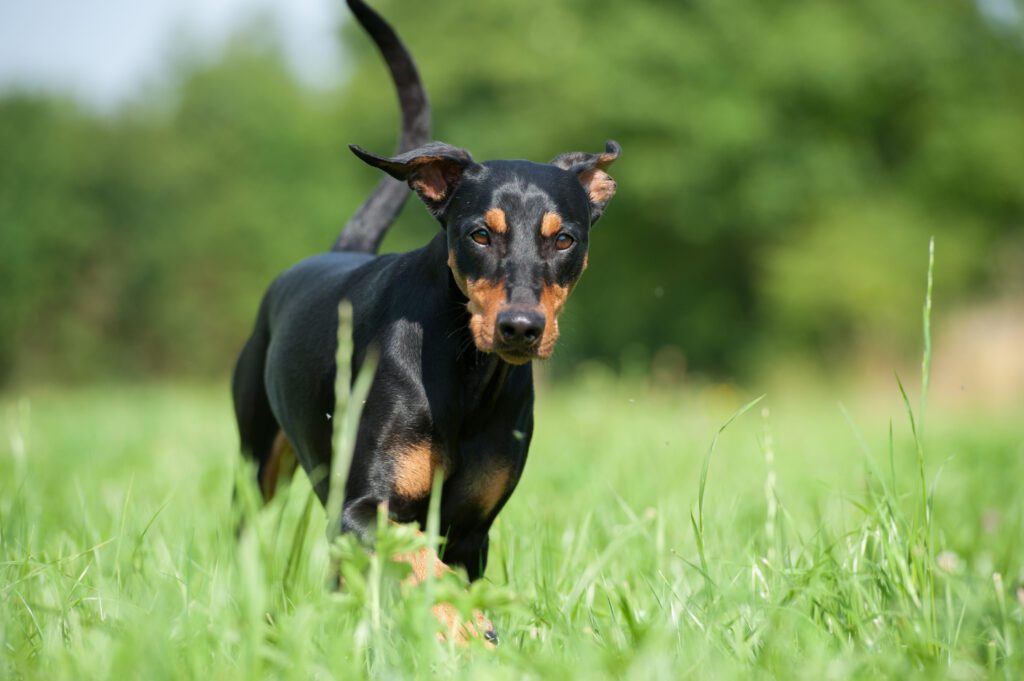


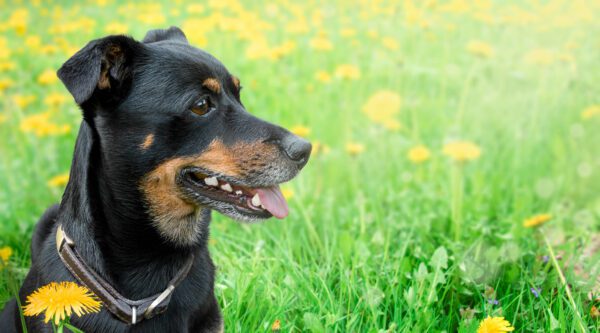
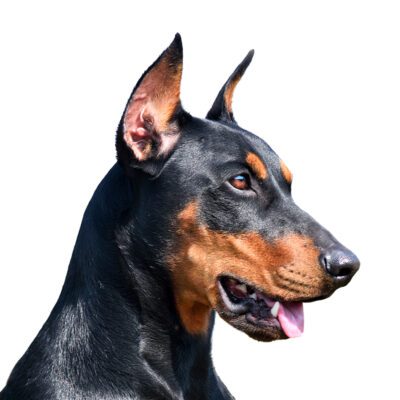
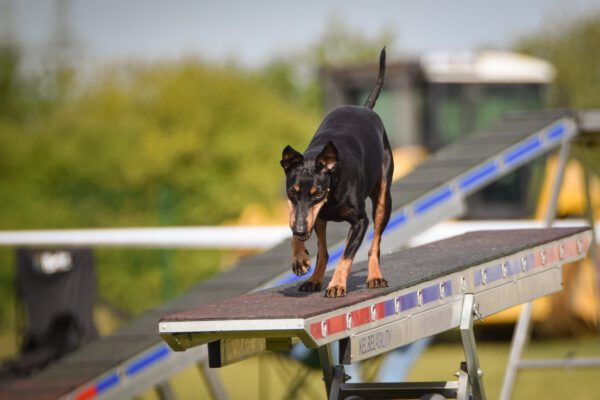
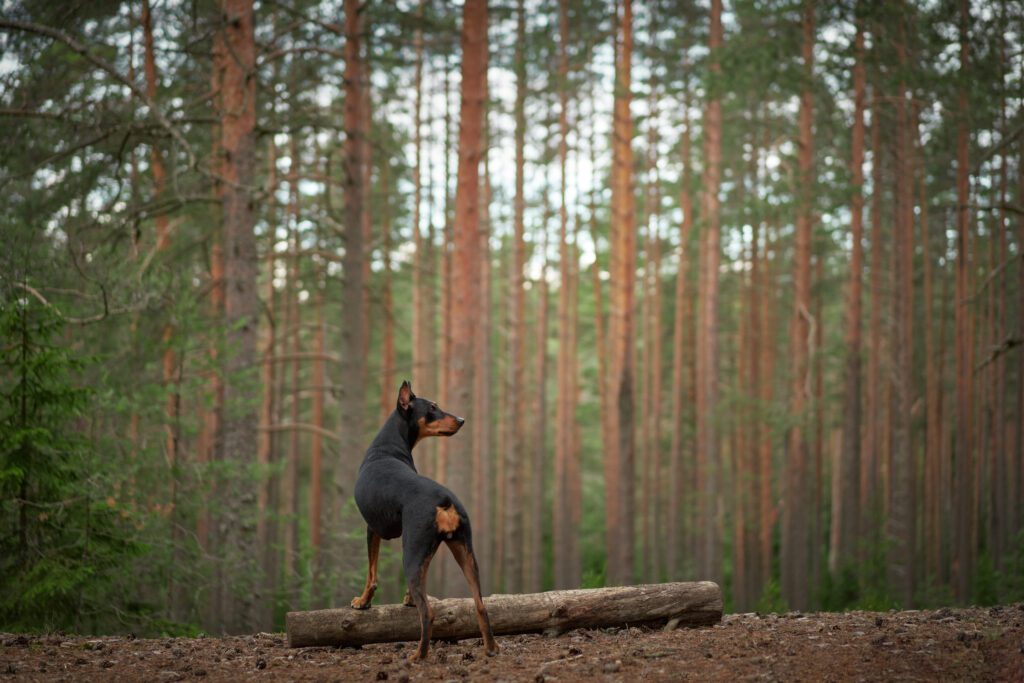
The German Pinscher is an athletic, medium-sized companion with sharp intelligence and spirited confidence. This breed is affectionate with family, alert with strangers, and naturally watchful, which makes it a capable watchdog. A short, sleek coat keeps grooming simple, while high energy and bold curiosity call for daily exercise and mental work.
Careful research matters before you bring this breed home. The German Pinscher can be independent, vocal, and quick to chase wildlife, which means early socialization and consistent training are essential. Adopting gives a deserving dog a second chance, usually includes key veterinary care, and supports shelters and rescues that evaluate behavior and help match dogs to the right homes.
Pennsylvania’s four-season climate suits the breed when you plan ahead. Winters can be cold and icy, so a fitted dog coat and limited time outdoors keep a short-coated German Pinscher comfortable. Summers can be humid, so shade, water, and cooler walk times help prevent overheating. The state’s mix of city apartments, suburban neighborhoods, and rural landscapes offers many options for exercise on sidewalks, quiet roads, and wooded trails. A secure yard or reliable leash skills are important because this breed has a strong prey drive.
You can skip searching shelters and rescues one by one by using Dog Academy to browse adoption listings in one place. Dog Academy also offers clear educational guides and adoption checklists that help you prepare your home, plan your first week, and understand what to expect during the process.
You can find adoptable German Pinschers through local animal shelters, regional rescues, and breed-specific rescue groups. Availability changes week to week because this breed is less common in public kennels. Expanding your search radius often helps. When a good match appears outside your immediate area, transport is sometimes arranged by rescues to move dogs safely between locations after approval. Transport typically follows scheduled routes with vetted drivers and set pickup points.
The process usually starts online. Browse detailed profiles, review each dog’s energy level and temperament, and confirm the match with your household. Submit an application that includes personal references, proof of housing, landlord permission when you rent, and information about current pets and your veterinarian. Many groups ask for an exercise plan and a training plan because this breed needs structure and daily activity.
After an initial review, most groups schedule meet-and-greets at a shelter, a foster home, or a neutral public space. Bring every household member so the dog can meet everyone it will live with. Introductions with resident dogs often happen on neutral ground with calm, parallel walking. A home check may follow by video or in person to confirm safety, secure fencing, and space for rest and play. Approval timelines vary with scheduling and responsiveness but often take a few days to about 2 weeks. Once approved, you sign an adoption contract, pay the fee, and arrange pickup or safe transport as directed by the group.
|
How Much Does It Cost to Adopt a German Pinscher in Pennsylvania?In Pennsylvania, expect to pay about $300 to $550 to adopt an adult German Pinscher through a shelter or rescue. Puppies often range from $400 to $650 due to higher demand and recent veterinary care. Fees usually include spaying or neutering, vaccinations, microchipping, and veterinary exams. Costs can increase when a dog receives extra medical treatment or professional training before placement. Some groups add a modest transport fee when they arrange safe, scheduled transport between locations. |
How Should I Train a German Pinscher?The German Pinscher is highly intelligent and learns quickly, yet it can be independent and pushy without clear boundaries. Positive reinforcement works best. Use food, toys, and praise to reward the behaviors you want. Keep sessions short and engaging to prevent boredom. Teach impulse control early with sit, down, stay, wait at doors, and settle on a mat. Reinforce calm behavior in the home, on sidewalks, and during visits to new places so your dog learns to focus despite distractions. Prioritize life skills that matter in Pennsylvania’s varied environments. Practice loose-leash walking on busy streets, a reliable recall on quiet trails, and polite greetings around neighbors and delivery workers. Crate training supports safe travel and stress-free downtime. Daily mental enrichment through scent games, puzzle feeders, obedience drills, and trick training helps prevent nuisance barking and destructive chewing. For step-by-step support and flexible lessons, explore Dog Academy’s online training courses that cover obedience, leash manners, recall, and enrichment. |
|
The ideal owner for a German Pinscher is active, consistent, and ready to provide daily exercise, structure, and patient training. A home with secure fencing and time for engagement suits this energetic, vigilant breed. Prepare by gathering supplies, choosing a veterinarian, planning socialization and training, and reviewing a thorough adoption checklist. Take your time, ask questions, and use Dog Academy resources to adopt a German Pinscher in Pennsylvania with confidence and care.

Introducing a new puppy to your current dog is often an exciting process, and many dogs will become fast friends and eas...
Read More
Rescue dogs can make great companions and can transform your home into something better. These dogs make great pets and ...
Read More
You should never rush to pet a dog. Even dog owners make the mistake of approaching unfamiliar dogs and petting them rig...
Read More
Puppy mill dogs are survivors who have endured extreme hardships in their lives. They have grown up in horrendous, unsan...
Read More
With their wagging tails and comforting presence, adopting a dog can add a unique touch to your life. It’s a heart...
Read More
Older dogs may have a few gray hairs around the edges, but that doesn’t mean they can’t make wonderful companions! T...
Read More