






























































































Introducing a new puppy to your current dog is often an exciting process, and many dogs will become fast friends and eas...
Read MoreAdopt Me

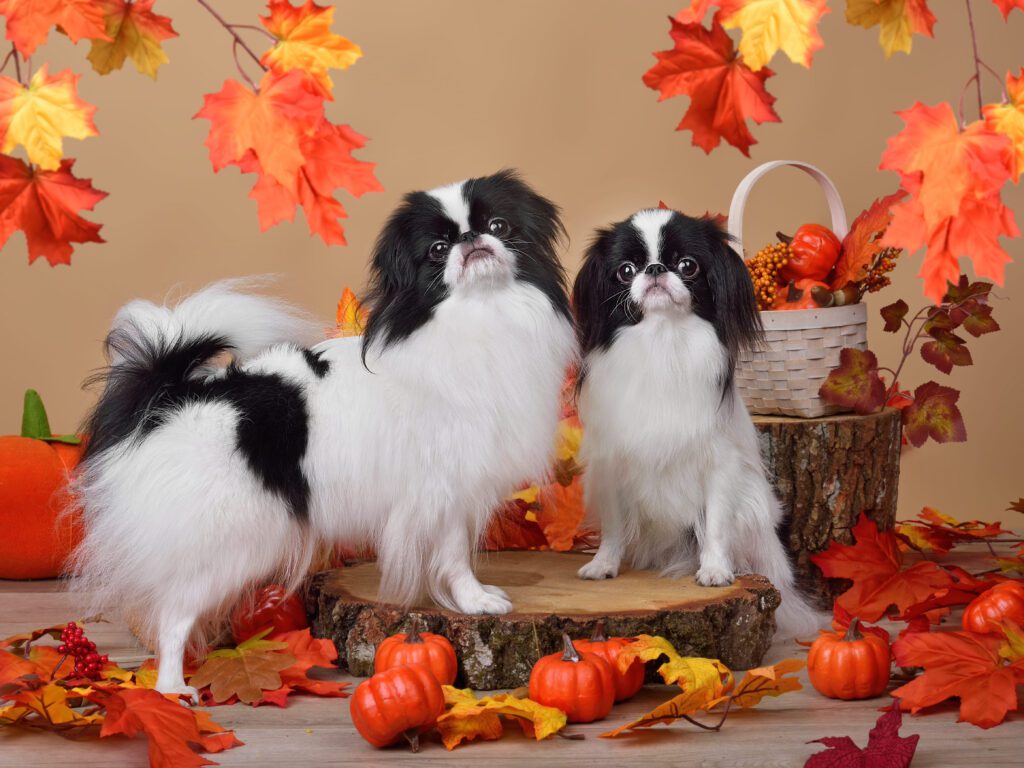


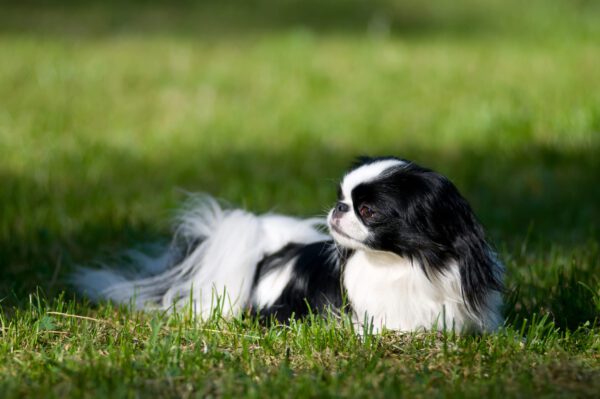
The Japanese Chin is a graceful, affectionate companion with a gentle spirit and a charming, catlike personality. This toy breed thrives on closeness, learns routines quickly, and enjoys calm indoor life with short play sessions. Research matters before you adopt a Japanese Chin in Pennsylvania, because informed choices protect your time, your budget, and your future pet’s well-being. Adoption gives a dog a safe home, supports responsible animal care, and often provides helpful history on behavior and health.
Pennsylvania’s climate brings humid summers and cold winters. A Japanese Chin does best with climate control, short walks during cooler hours in summer, and warm gear for winter outings. The breed’s short muzzle makes heat management essential, while its fine coat benefits from protection in wind and snow. The state’s mix of urban centers, suburbs, and rural towns suits this small companion, as long as daily routines stay gentle and indoor comfort stays consistent.
Plan for moderate grooming, regular dental care, and steady social time. A Japanese Chin fits apartments, condos, and quiet homes, and the breed handles stairs and small yards well. The breed prefers calm interactions with children and enjoys respectful adults and seniors. If you enjoy cozy evenings, brief neighborhood strolls, and light training, this dog can be a wonderful match for life in Pennsylvania.
You can avoid searching shelters and rescues separately by browsing adoptable Japanese Chin dogs through Dog Academy. You can use easy filters, read clear profiles, and contact organizations from one place. You can also learn from Dog Academy’s educational guides and adoption checklists, which help you prepare your home, plan a budget, and set realistic expectations.
In Pennsylvania, adoptable Japanese Chin dogs may appear at local animal shelters, regional rescues, and breed-specific rescue groups. Foster networks often care for small companion breeds, and municipal shelters sometimes intake toy dogs from stray or owner-surrender cases. If a dog is outside your area, rescues may arrange transport to move dogs between states or counties. Transport is often coordinated by volunteers or professional drivers who schedule safe handoffs and communicate arrival times.
The process begins by browsing listings and identifying a dog that fits your lifestyle. You then submit an application that outlines your home setup, daily schedule, vet history, and landlord approval when required. Many groups verify references, ask for a video of your living space, or schedule a brief call. Approval timelines in Pennsylvania typically range from a few days to a few weeks, based on volume, staffing, and the dog’s needs.
After your application is approved, you attend a meet-and-greet to confirm compatibility with you and any resident pets. Some groups complete a home check, which can be virtual or in person, to ensure safety gates, secure fencing, and a reasonable plan for alone time. Final steps include signing an adoption agreement, paying the adoption fee, and picking up your new companion or meeting a transport at a designated location.
|
How Much Does It Cost to Adopt a Japanese Chin in Pennsylvania?Adoption fees for a Japanese Chin in Pennsylvania usually range from $250 to $550. This estimate reflects the breed’s small size, routine veterinary work, and regional demand for toy companions. The fee commonly includes spaying or neutering, vaccinations, microchipping, and veterinary exams. Many groups also provide a recent dental check, a heartworm test, and basic grooming before placement. Costs vary based on age, training, medical care, and demand. Puppies and young adults often cost more, while seniors may cost less. Dogs that received recent dental cleanings, corrective eye care, or treatment for knee issues may fall at the higher end. Some organizations request a separate transport donation when they arrange professional travel, which helps cover fuel and handling. |
How Should I Train a Japanese Chin?The Japanese Chin is bright, sensitive, and eager to bond, which makes training smooth when you use praise and small treats. Keep sessions short, start in a quiet room, and end before your dog loses focus. Reward calm eye contact, polite greetings, and gentle handling. Avoid harsh corrections, because this breed shuts down when pressure is high. House training improves with a strict schedule, frequent outdoor breaks, and crate training that teaches rest between outings. Leash skills grow quickly with slow, calm walks on flat ground and rewards for loose-leash steps. Socialization should be thoughtful and low key. Invite friendly visitors, walk near steady dogs, and teach your Chin to relax on a mat. If you want structured support, you can follow step-by-step lessons through Dog Academy’s online training courses, which cover house training, manners, calm behavior, and enrichment tailored to small breeds. |
|
A Japanese Chin suits adopters who want a close companion, who can provide indoor comfort, and who enjoy short daily walks. The ideal home offers gentle handling, regular grooming, and patient house training. Take time to prepare your space, gather supplies, and review breed needs. When you feel ready, explore listings, ask thoughtful questions, and move at a pace that keeps your future dog relaxed and safe.

Introducing a new puppy to your current dog is often an exciting process, and many dogs will become fast friends and eas...
Read More
Rescue dogs can make great companions and can transform your home into something better. These dogs make great pets and ...
Read More
You should never rush to pet a dog. Even dog owners make the mistake of approaching unfamiliar dogs and petting them rig...
Read More
Puppy mill dogs are survivors who have endured extreme hardships in their lives. They have grown up in horrendous, unsan...
Read More
With their wagging tails and comforting presence, adopting a dog can add a unique touch to your life. It’s a heart...
Read More
Older dogs may have a few gray hairs around the edges, but that doesn’t mean they can’t make wonderful companions! T...
Read More