




























































































































































































Introducing a new puppy to your current dog is often an exciting process, and many dogs will become fast friends and eas...
Read MoreAdopt Me

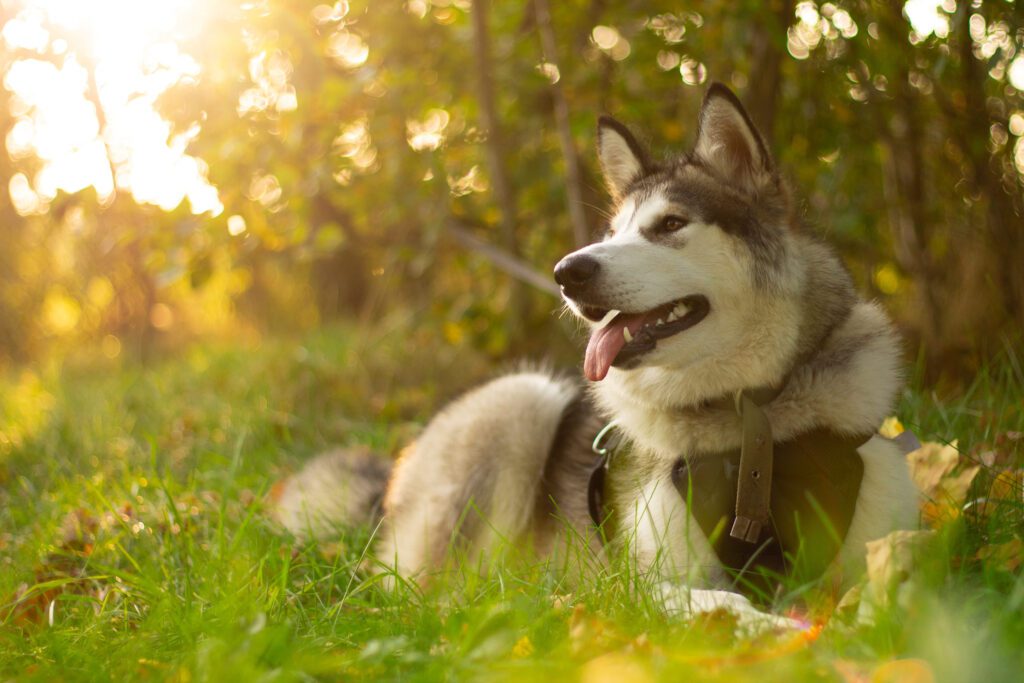
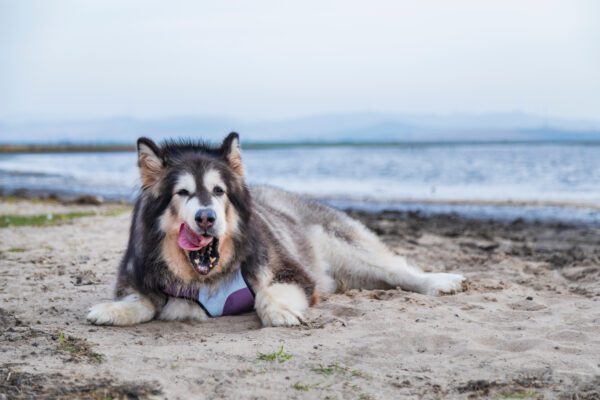
An Alaskan Malamute is a powerful, affectionate, and social companion that thrives with active families. These dogs are loyal, playful, and known for their endurance. They enjoy long walks, structured exercise, and time with their people. They shed heavily and talk often, yet they give back with big hearts and bigger smiles.
Research matters before you bring a Malamute home. Adoption helps a dog in need and gives you access to support from knowledgeable volunteers who understand this northern breed. Buying often focuses on appearance, while adoption focuses on fit, behavior, and long-term success. Texas can be a wonderful place for the right Malamute because there is space for exercise and access to trails, yet the heat requires careful management. Warm temperatures, strong sun, and humidity mean you must plan early morning or late evening activity, provide air conditioning, and offer shade and cool water at all times. Open spaces in Texas are great for training and enrichment, while secure fencing is essential because Malamutes can dig and roam.
You can skip searching local animal shelters and breed-specific rescue groups one by one by browsing adoption listings on Dog Academy. You can filter by location, age, and temperament, then read guides and checklists that explain how to prepare your home, evaluate behavior notes, and compare dogs. This saves time and helps you focus on dogs that match your lifestyle and experience level.
Begin by reviewing listings to understand each dog’s age, energy level, and medical history. Once you find a possible match, complete an application that covers your schedule, housing, fencing, and experience with large or northern breeds. Most organizations follow with a phone interview and may ask for landlord or veterinary references to confirm that your home and plans are suitable. This screening protects both the dog and your family by ensuring a safe, stable placement.
Next, meet-and-greets allow you to observe behavior in a calm setting. Bring all household members so everyone can interact with the dog. Many groups require a home check to verify that gates latch securely and that the yard does not have escape gaps, since Malamutes can be enthusiastic diggers and climbers. Approval timelines vary by organization, but most adoptions in Texas move from application to decision within 1 to 3 weeks. Some placements happen faster when the match is clear and references respond quickly.
If your perfect dog is located in another city, ask about transport. Transport is often arranged by rescues to move dogs between locations using volunteer drivers or licensed carriers that follow health and safety protocols. You may pay a small transport fee, and timing depends on route availability. Clear communication about pickup, drop-off, and acclimation helps the dog settle smoothly after travel.
|
How Much Does It Cost to Adopt a Alaskan Malamute in Texas?Most adopters in Texas pay $200 to $500 for a Malamute, with puppies or specialty placements sometimes ranging from $350 to $700. Fees vary based on age, training, medical care, and demand for the specific dog. Younger dogs and puppies often cost more because of higher preventive care and training needs. Seniors or dogs with ongoing medical needs can cost less, though medical support may continue after adoption. Adoption fees usually include spaying or neutering, vaccinations, microchipping, and veterinary exams. Some groups also provide heartworm testing, preventives, and treatment when needed, which can raise the fee slightly but reduces your immediate out-of-pocket costs. Dogs that arrive already house-trained, leash-trained, or crate-trained may have a higher fee due to the time and resources invested in that training. |
How Should I Train a Alaskan Malamute?Malamutes are intelligent and eager, yet they are independent thinkers. Training works best when you use positive reinforcement, clear structure, and short, upbeat sessions. Reward calm behavior with high-value treats and praise, and practice foundation skills such as name recognition, loose-leash walking, reliable recall, and settling on a mat. Consistency builds trust and keeps this strong breed engaged without conflict. Common challenges include pulling, prey drive, vocalizing, and boredom-driven mischief. Manage pulling with a front-clip harness and frequent reward-based check-ins. Satisfy natural instincts with scent games, puzzle feeders, and structured exercise during cooler hours. Teach recall with gradual distractions in secure areas, then increase difficulty slowly. For a complete step-by-step plan tailored to real-life goals, explore Dog Academy’s online training courses. Lessons cover impulse control, leash manners, crate comfort, and safe socialization so your Malamute learns to succeed in Texas heat and busy neighborhoods. |
|
The ideal Texas home for a Malamute offers time for daily exercise, access to air conditioning, secure fencing, and a commitment to training and grooming. Owners who enjoy early morning walks, structured enrichment, and regular brushing will see this breed shine. Patience and consistency matter because Malamutes bond deeply and respond to calm leadership.
Take your time, ask thoughtful questions, and prepare your home before you bring your new dog inside. With careful research, the right match, and a solid plan for training and heat safety, you can adopt a Alaskan Malamute in Texas and give a remarkable dog a loving, lasting home.

Introducing a new puppy to your current dog is often an exciting process, and many dogs will become fast friends and eas...
Read More
Rescue dogs can make great companions and can transform your home into something better. These dogs make great pets and ...
Read More
You should never rush to pet a dog. Even dog owners make the mistake of approaching unfamiliar dogs and petting them rig...
Read More
Puppy mill dogs are survivors who have endured extreme hardships in their lives. They have grown up in horrendous, unsan...
Read More
With their wagging tails and comforting presence, adopting a dog can add a unique touch to your life. It’s a heart...
Read More
Older dogs may have a few gray hairs around the edges, but that doesn’t mean they can’t make wonderful companions! T...
Read More