
























































































































































































Introducing a new puppy to your current dog is often an exciting process, and many dogs will become fast friends and eas...
Read MoreAdopt Me
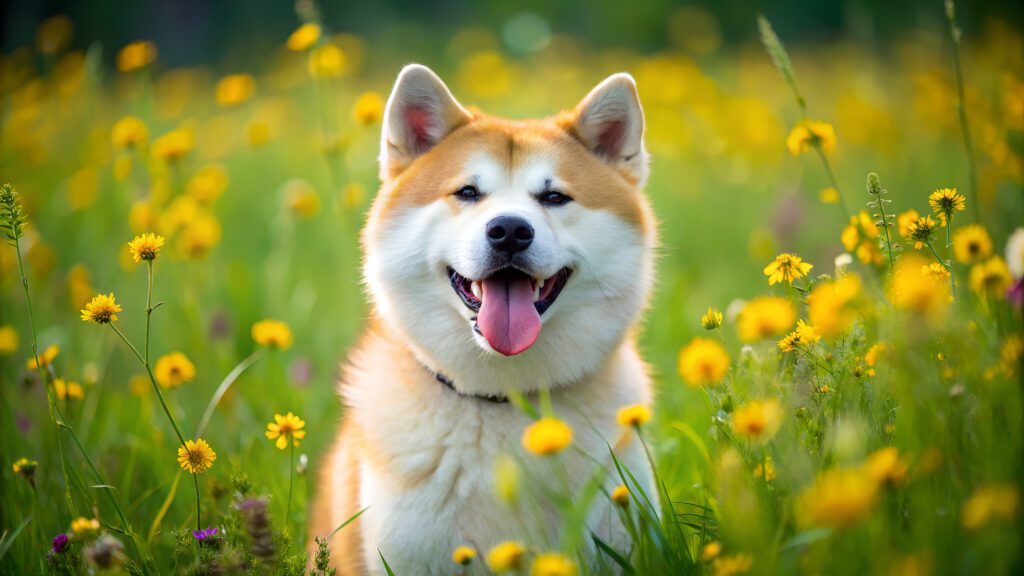
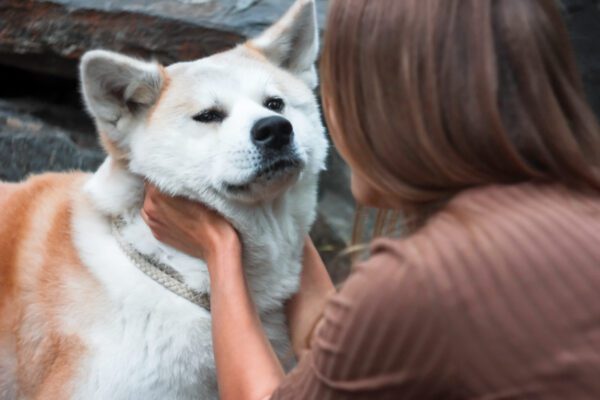
The Akita is a dignified, deeply loyal, and quietly confident companion. This powerful breed bonds closely with family, shows natural watchdog instincts, and prefers a calm, structured home. The thick double coat sheds seasonally and needs regular brushing, yet it also provides excellent protection in cold weather.
Research matters before adoption because Akitas are independent and strong minded. An informed adopter sets clear routines, invests in training, and manages social introductions with care. Adoption is a responsible path because it gives a dog a second chance, offers transparency about known behavior and medical history, and supports the lifesaving work of shelters and rescues.
North Dakota’s climate suits an Akita’s dense coat during long, frigid winters, and the state’s open spaces are ideal for controlled exercise on secure property. Summer heat can arrive quickly, so an Akita needs shade, cool water, and limited midday activity. Rural living often means fewer neighbors and dogs, which helps reduce overstimulation, though it also requires deliberate socialization trips. Urban or suburban adopters in North Dakota can succeed with daily walks, fenced yards, and thoughtful training that channels the breed’s intelligence.
You can avoid searching for rescues and shelters separately by using Dog Academy adoption listings. You can filter for breed, location, and age to see Akitas currently available in or near North Dakota. You can also use Dog Academy’s educational guides and adoption checklists to prepare your home, plan a budget, and understand what to expect during the first 30 days.
Akitas appear through local animal shelters, regional rescues, and breed-specific rescue groups. Start by browsing detailed profiles, which usually share age, size, temperament notes, and any medical considerations. Strong matches begin when you read every line of each profile and decide whether your daily routine, housing, and experience can meet the dog’s needs.
Applications typically ask for personal references, proof of housing, and veterinary information if you currently own pets. Many groups request a virtual or in-person home check to confirm safe fencing, secure gates, and appropriate indoor space. Meet-and-greets help you assess compatibility and often include structured introductions with resident dogs to ensure calm, positive interactions.
Approval timelines vary by group and by the dog’s needs. Straightforward local adoptions often finalize in 3 to 10 days, while more complex cases take 1 to 3 weeks. Some rescues arrange transport to move dogs between locations when a strong match is found. Transport is often arranged by rescues to move dogs between states using volunteer drivers or professional pet transport services, and schedules may add days for coordination and health certificates. After approval, you sign an adoption contract, pay the fee, and schedule pickup, along with any transition support such as training recommendations and follow-up check-ins.

|
How Much Does It Cost to Adopt a Akita in North Dakota?Most adopters in North Dakota pay about $200 to $400 for an adult Akita, with puppies more often ranging from $300 to $500. Fees trend moderate in North Dakota because of the region’s cost of living, though a dog who receives extensive medical treatment or professional training may cost more. Breed demand, age, and the amount of support provided after adoption can also affect the fee. Adoption fees usually include spaying or neutering, vaccinations, microchipping, and veterinary exams. Many groups also include deworming, heartworm testing, and flea and tick prevention. Puppies and young adults may cost more due to higher demand and recent medical care, while seniors and special-needs dogs may cost less to encourage placement with committed families. |
How Should I Train a Akita?The Akita is intelligent and observant, and the breed learns best through short, focused sessions that use food rewards, play, and calm praise. Positive reinforcement builds trust and keeps this independent thinker engaged. You should start with foundation skills like name response, leash manners, sit, down, stay, and recall, then add impulse control and polite greetings. Many Akitas are naturally reserved with strangers and may be selective with other dogs. Early and ongoing socialization in controlled settings is essential. You should introduce new people and calm, stable dogs at a pace that keeps your Akita relaxed. Clear boundaries, consistent routines, and daily mental enrichment help prevent guarding and frustration. For step-by-step guidance, you can use Dog Academy’s online training courses to build reliable obedience, strengthen recall, and practice calm behavior in real-world environments. |

|
The ideal Akita adopter is calm, consistent, and committed to daily training and exercise. A home with secure fencing, time for brushing and vacuuming, and a plan for structured socialization sets this breed up for success. Families with older, dog-savvy children often do well because they can follow handling rules and respect the dog’s space.
Preparation makes adoption smoother. You should gather supplies in advance, arrange a quiet decompression area, and plan a gradual routine for walks, feeding, and training. Take your time, ask thoughtful questions, and choose the dog whose needs match your lifestyle. With patience and preparation, you can adopt an Akita in North Dakota and enjoy a loyal companion for years to come.

Introducing a new puppy to your current dog is often an exciting process, and many dogs will become fast friends and eas...
Read More
Rescue dogs can make great companions and can transform your home into something better. These dogs make great pets and ...
Read More
You should never rush to pet a dog. Even dog owners make the mistake of approaching unfamiliar dogs and petting them rig...
Read More
Puppy mill dogs are survivors who have endured extreme hardships in their lives. They have grown up in horrendous, unsan...
Read More
With their wagging tails and comforting presence, adopting a dog can add a unique touch to your life. It’s a heart...
Read More
Older dogs may have a few gray hairs around the edges, but that doesn’t mean they can’t make wonderful companions! T...
Read More