



























































































































































































Introducing a new puppy to your current dog is often an exciting process, and many dogs will become fast friends and eas...
Read MoreAdopt Me

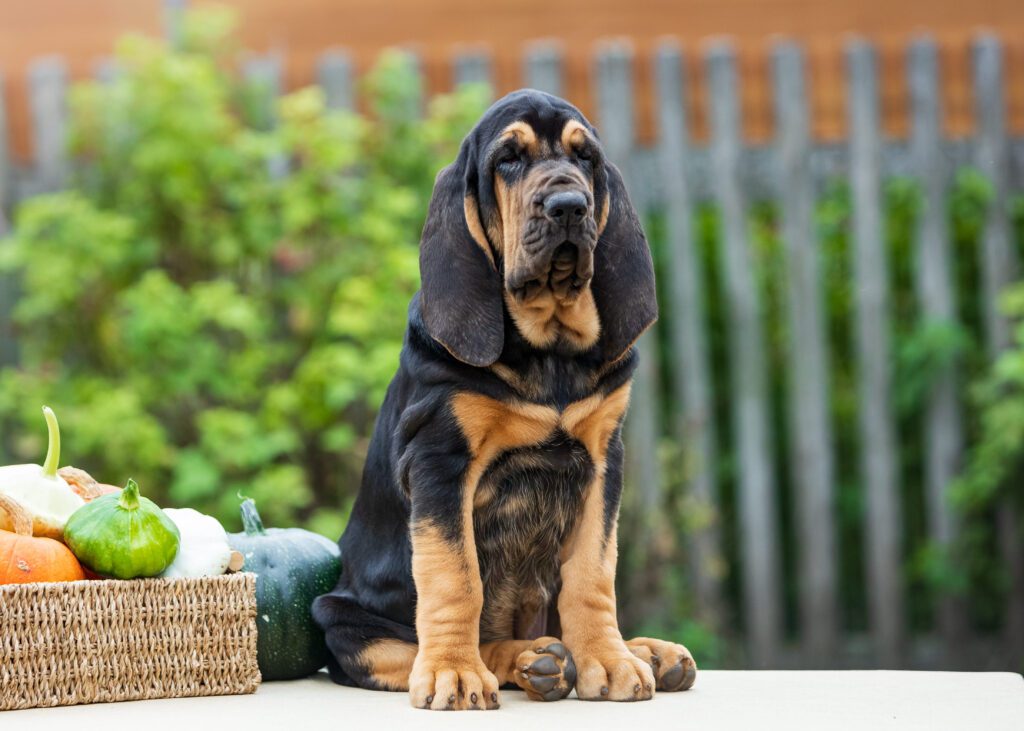

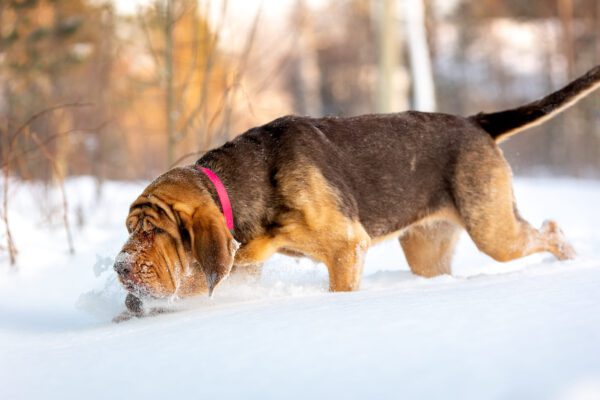
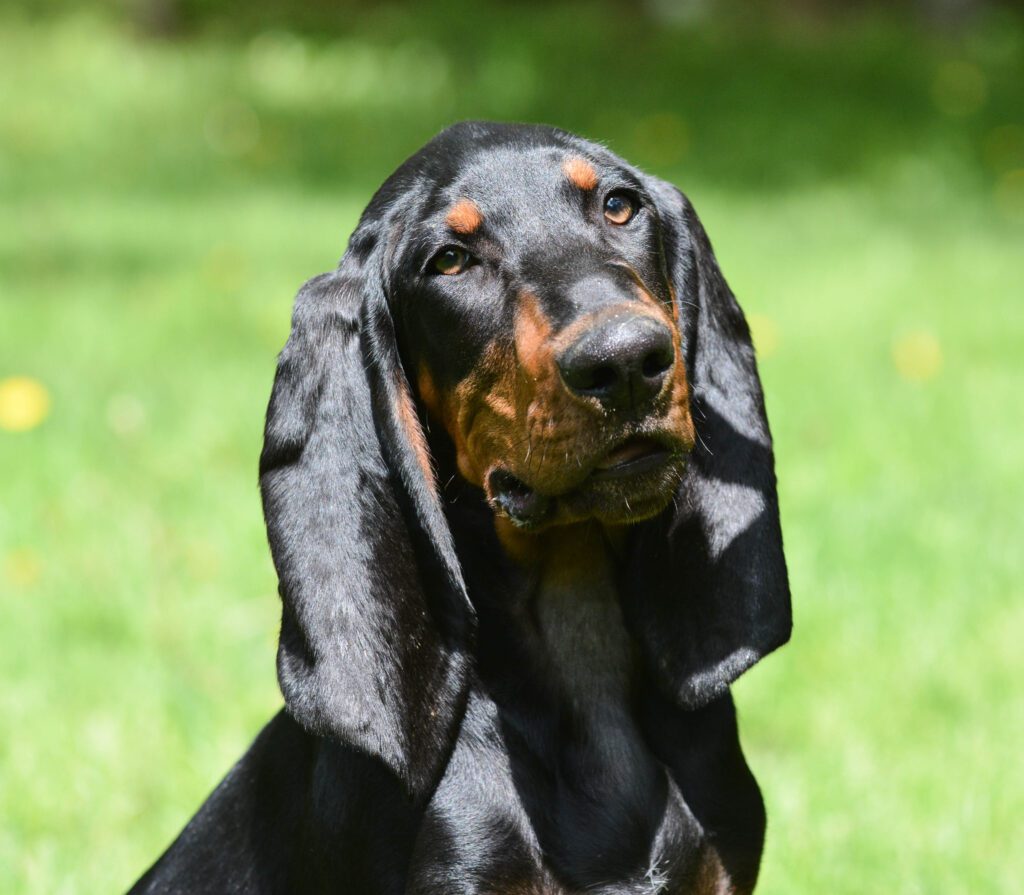
The Bloodhound is a gentle, loyal, and determined scent hound with legendary tracking ability. Families value this breed for its affectionate nature and calm indoor presence. The same powerful nose that makes a Bloodhound special also drives curiosity outdoors. Careful research helps you understand this breed’s size, drool, deep baying voice, and strong desire to follow scents.
Adopting a Bloodhound gives a deserving dog a second chance while supporting animal welfare in your community. Adoption often includes essential veterinary care and behavior insights from people who know the dog well. Buying can be tempting, but adoption helps reduce overcrowding and gives you transparent information about the dog’s needs and personality.
Minnesota’s climate brings cold winters, snowy trails, and warm summers with humidity. A Bloodhound handles cool weather well with proper shelter and a warm coat during extreme cold. Summer calls for shade, fresh water, and shorter walks during peak heat. The state’s lakes, forests, and suburban greenways suit slow, purposeful sniff walks. A secure, fenced yard is important because a Bloodhound may follow a scent without noticing distance or traffic.
You can skip separate searches of rescues and shelters by browsing Bloodhound adoption listings on Dog Academy. You can filter for age, location, and traits, then contact the listed organization to start the process. You can also use Dog Academy for helpful educational guides and adoption checklists that prepare you for each step.
You can find adoptable Bloodhounds through local animal shelters, regional rescues, and breed-specific rescue groups. Listings usually include age, size, behavior notes, and medical history. Read each profile carefully so you understand exercise needs, energy level, and any training in progress. Ask clear questions about house manners, leash skills, and social comfort with children or other pets.
The adoption process generally starts with browsing listings, submitting an application, and providing references. Many organizations ask for proof of housing, landlord approval if you rent, and verification of a secure yard or exercise plan. A meet-and-greet often follows at a shelter, a foster home, or a neutral, dog-friendly location. Some organizations conduct a home check in person or by video to confirm safety and readiness.
Approval timelines vary by organization and by the number of applicants. Straightforward applications can move within 1 to 3 weeks. Dogs in foster care may require an extra visit to confirm compatibility with your routine. If a dog is located outside your area, transport is sometimes arranged by rescues to move dogs between locations. Transport may involve volunteer drivers or professional carriers who coordinate a safe, scheduled trip to deliver the dog to an approved adopter after all paperwork and veterinary checks are complete.
|
How Much Does It Cost to Adopt a Bloodhound in Minnesota?Adoption fees for a Bloodhound in Minnesota typically range from $200 to $450 for adults and from $300 to $600 for puppies. This estimate reflects Minnesota rescue practices for large breeds and the additional care often required for sizable, working-type dogs. Younger dogs and highly social, well-trained adults may be at the higher end due to demand. Fees vary based on age, training, medical care, and regional demand. Many organizations include spaying or neutering, vaccinations, microchipping, and veterinary exams in the fee. Costs can be higher if the dog recently received diagnostics, dental work, or treatment for an injury or infection. You may also see slight seasonal changes in pricing when shelters experience higher intake and need to cover care for more dogs. |
How Should I Train a Bloodhound?Bloodhounds are intelligent and sensitive, yet independent. Their nose leads the way, which can make recall and loose-leash walking challenging. You can build reliable behavior with short, focused sessions that reward calm choices and attentive moments. High-value rewards that appeal to a scent hound, such as smelly treats or sniffing breaks, help maintain engagement. Use positive reinforcement and clear, consistent cues. Teach a strong name response, a rock-solid recall, and a cue that means stop and check in. Reinforce polite leash skills with slow, structured sniff walks that let your dog use its nose while practicing manners. Add mental enrichment through scent games, hide-and-seek, and tracking-style exercises that satisfy natural instincts. Prevent nuisance baying by reinforcing quiet moments and meeting daily exercise needs. Crate training, house manners, and calm greetings protect your dog’s safety and reduce stress. Socialize your Bloodhound with friendly dogs and people in controlled settings. If you want step-by-step guidance, you can build a complete plan with Dog Academy’s online training courses, which cover foundation skills, loose-leash walking, recall, and enrichment tailored to real-life routines. |
|
The ideal Bloodhound adopter enjoys long, unhurried walks, values a calm companion at home, and has patience for consistent training. A fenced yard, a commitment to daily mental enrichment, and a plan for drool management set you up for success. Families who appreciate a gentle, affectionate dog with a powerful nose often find the Bloodhound deeply rewarding.
Prepare your home, learn about the breed, and take time to meet the right dog. When you are ready, browse available Bloodhounds on Dog Academy, review each profile carefully, and move through the process at a thoughtful pace. Careful planning today paves the way for a happy partnership that lasts for years.

Introducing a new puppy to your current dog is often an exciting process, and many dogs will become fast friends and eas...
Read More
Rescue dogs can make great companions and can transform your home into something better. These dogs make great pets and ...
Read More
You should never rush to pet a dog. Even dog owners make the mistake of approaching unfamiliar dogs and petting them rig...
Read More
Puppy mill dogs are survivors who have endured extreme hardships in their lives. They have grown up in horrendous, unsan...
Read More
With their wagging tails and comforting presence, adopting a dog can add a unique touch to your life. It’s a heart...
Read More
Older dogs may have a few gray hairs around the edges, but that doesn’t mean they can’t make wonderful companions! T...
Read More