



























































































































































































Introducing a new puppy to your current dog is often an exciting process, and many dogs will become fast friends and eas...
Read MoreAdopt Me

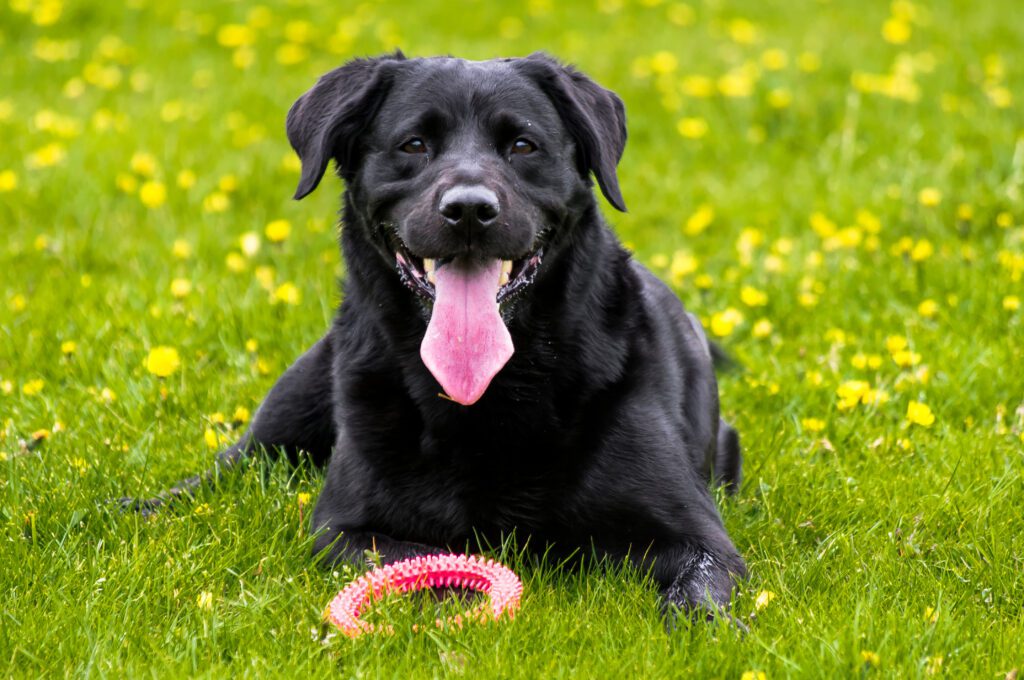
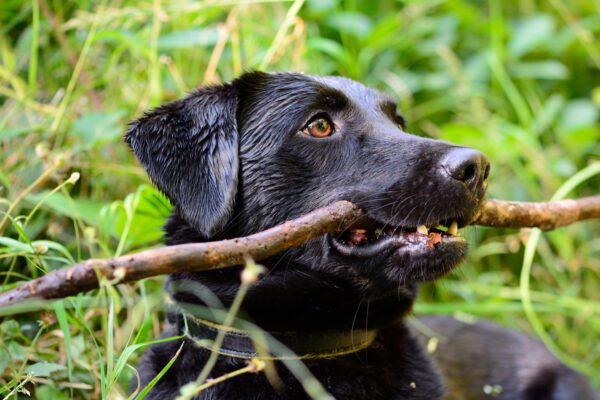
Black Labradors are friendly, athletic, and eager to please. They bond strongly with families, play gently with children when trained well, and enjoy outdoor adventures. The breed thrives on human attention and daily activity, and that combination creates a loyal companion for busy households that value time outside.
It is wise to research before you adopt. A Black Lab needs consistent exercise, mental enrichment, and clear training because the breed matures slowly and stays playful for years. Adoption helps a dog in need and often includes important veterinary care that new owners would otherwise pay for on their own. Adopting instead of buying also supports responsible placement and reduces the demand that drives irresponsible breeding practices.
Minnesota fits this breed well because the state offers lakes, trails, and year-round opportunities for activity. The cold winter demands planning, which can include a fitted coat, paw protection, and shorter sessions outside during extreme weather. Warm summers invite swimming and hiking, which suit a Lab’s love of water and retrieving. A Minnesota household that maintains a steady routine through all seasons will help a Black Lab thrive.
You can avoid searching rescues and shelters one by one by starting with Dog Academy. Dog Academy compiles adoptable dogs from multiple sources into one place, which saves time and helps you compare options quickly. You can also find educational guides and adoption checklists that explain paperwork, home preparation, and first-week routines.
Adoptable Black Labs appear through local animal shelters, regional rescues, breed-specific rescue groups, and foster-based networks. Begin by browsing listings and reading full profiles. Look for details about age, energy level, medical notes, and behavior around children, cats, and other dogs. Confirm that the dog’s needs align with your schedule, your space, and your experience with high-energy breeds.
After you identify a good match, submit an application that explains your home setup, your routine, and your training plan. Many groups request references, proof of landlord approval when you rent, and veterinary contact information for current pets. Approval timelines vary from 3 to 14 days when applications are complete and responders are available. Some groups schedule a virtual home check or an in-person visit to confirm safety, including secure fencing, safe storage of chemicals, and an area for quiet rest.
Meet-and-greets are common and often happen at a shelter, a neutral outdoor space, or a foster home. The goal is to assess manners, comfort level, and compatibility with all household members. When approval is granted, you sign an adoption agreement and pay the fee. Some rescues arrange transport to move dogs between locations, and transport means coordinated travel by car or van with staff or volunteers who deliver a dog safely to a meeting point or a partner facility.
Before you adopt a Black Lab, make sure you can meet the breed’s needs. A healthy adult Lab needs 60 to 90 minutes of exercise each day, including structured walks, training, and games that use the retrieving instinct. Expect heavy seasonal shedding and regular grooming. Provide chew outlets and reinforce calm behavior because mouthiness and jumping are common in young Labs.

|
How Much Does It Cost to Adopt a Black Lab in Minnesota?Most Minnesota adopters pay about $250 to $450 for an adult Black Lab and about $350 to $550 for a puppy. Fees tend to be higher for puppies, dogs with current training, and dogs that receive extensive medical care before placement. Costs vary with age, training level, medical history, and local demand during peak seasons. Adoption fees usually include spaying or neutering, vaccinations, microchipping, and veterinary exams. Many groups also provide deworming, a heartworm test, and a starter supply of preventives. Minnesota organizations set fees to cover these services and to support future intakes, which explains why a well-vetted dog can cost more upfront yet save money over time. |
How Should I Train a Black Lab?Black Labs are intelligent, food-motivated, and eager to work. Positive reinforcement builds reliable behaviors quickly and keeps a confident attitude. Focus on daily short sessions that reward loose-leash walking, polite greetings, impulse control, and recall. Engage the retrieving drive with fetch, structured tug, and scent games to channel energy into appropriate outlets. Common challenges include jumping on guests, pulling on leash, chewing when bored, and grabbing items with the mouth. Prevent problems with management and practice, which means using crates for rest, rotating chew toys, and rewarding calm behavior before excitement builds. Consistency matters because the breed is energetic and social. For step-by-step guidance, explore Dog Academy’s online training courses, which cover puppy foundations, loose-leash walking, impulse control, and advanced skills for active companions. |
|
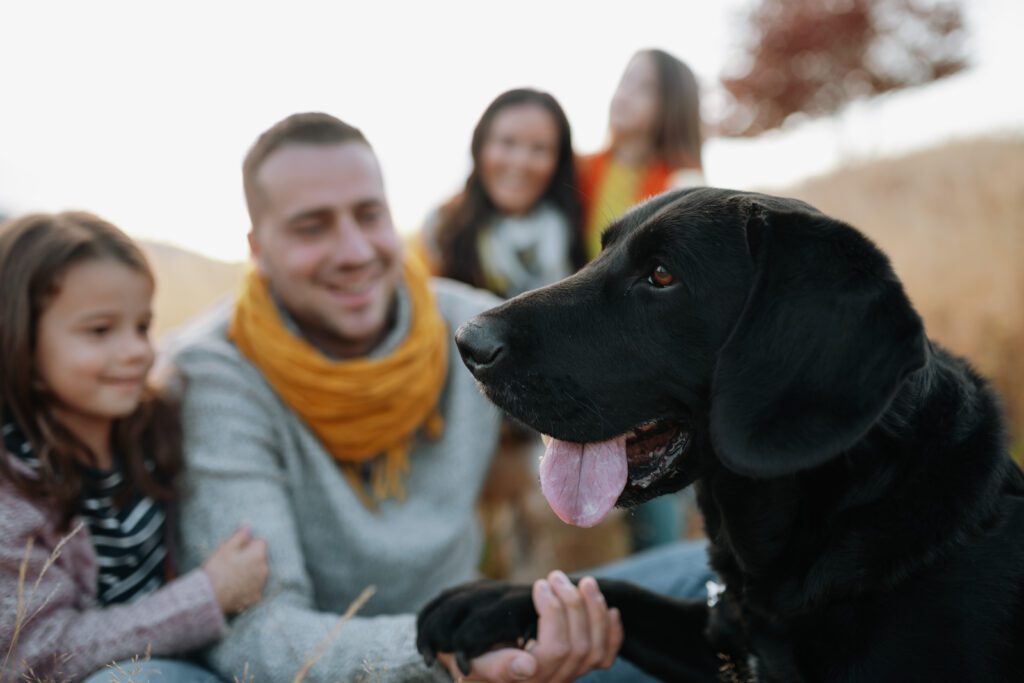
The ideal owner enjoys regular activity in all seasons, values training as part of daily life, and can offer structure, time, and affection. A fenced yard helps but is not required when you commit to daily walks, training, and enrichment. Preparation sets you up for success, which includes quality food, a fitted crate, a strong leash and collar or harness, grooming tools, a warm coat for extreme cold, and safe chew items.
Take your time, ask clear questions, and choose a dog whose needs match your lifestyle. When you are ready to adopt a Black Lab in Minnesota, start with Dog Academy to compare options in one place, then build a training plan that keeps your new companion happy and healthy for years to come.

Introducing a new puppy to your current dog is often an exciting process, and many dogs will become fast friends and eas...
Read More
Rescue dogs can make great companions and can transform your home into something better. These dogs make great pets and ...
Read More
You should never rush to pet a dog. Even dog owners make the mistake of approaching unfamiliar dogs and petting them rig...
Read More
Puppy mill dogs are survivors who have endured extreme hardships in their lives. They have grown up in horrendous, unsan...
Read More
With their wagging tails and comforting presence, adopting a dog can add a unique touch to your life. It’s a heart...
Read More
Older dogs may have a few gray hairs around the edges, but that doesn’t mean they can’t make wonderful companions! T...
Read More