


























































































































































































Introducing a new puppy to your current dog is often an exciting process, and many dogs will become fast friends and eas...
Read MoreAdopt Me

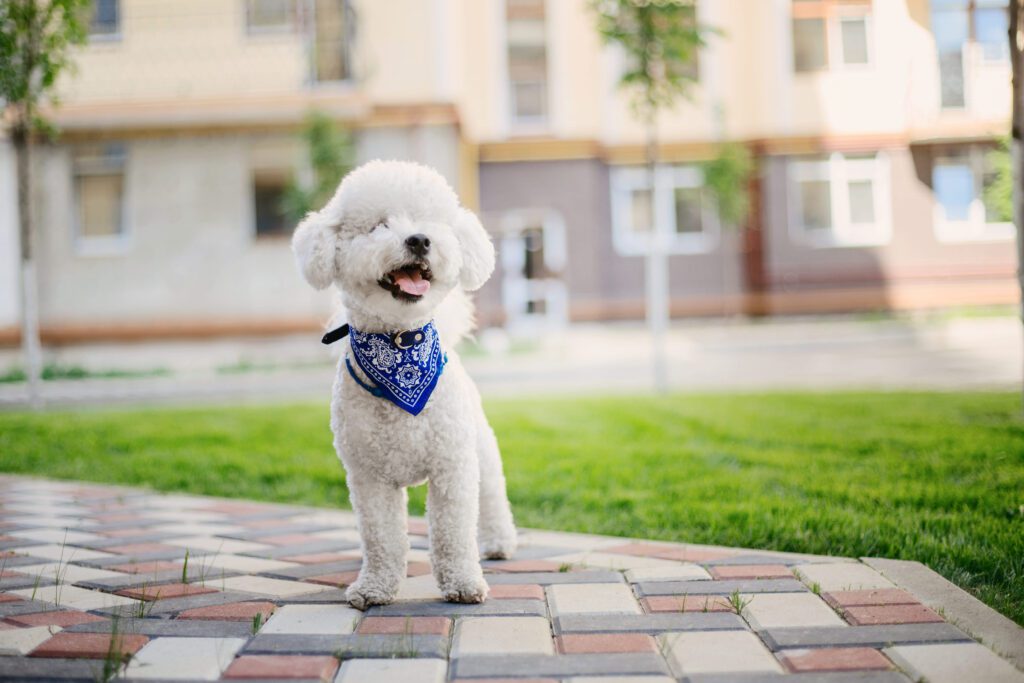
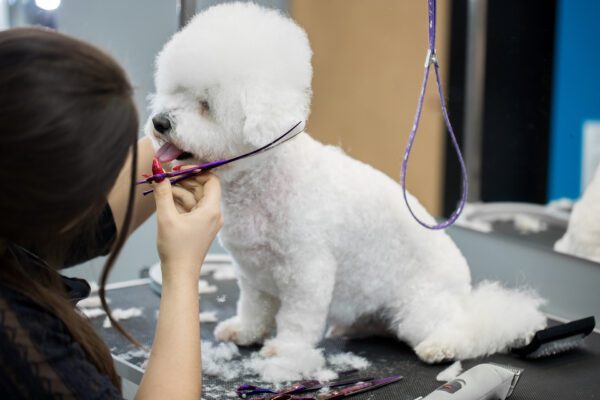
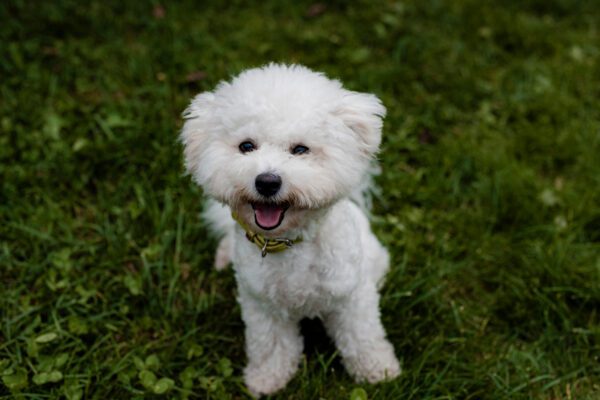
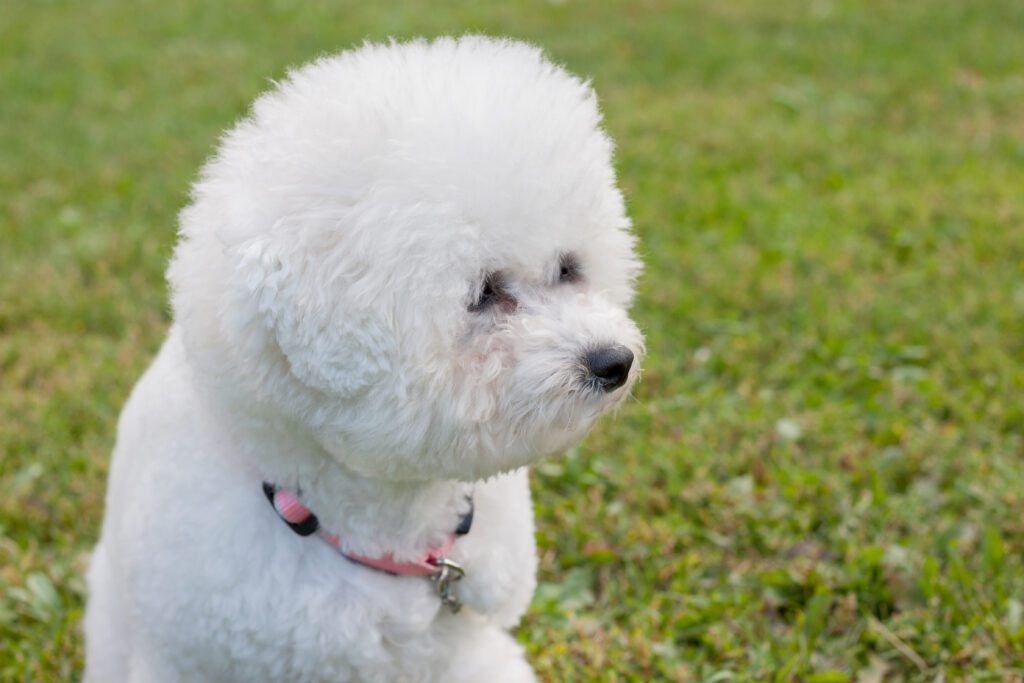
The Bichon Frise is a cheerful, people-focused companion that loves attention and daily play. This small, sturdy dog usually has a bright attitude, a soft curly coat, and a knack for making new friends. Many families choose this breed for its low-shedding coat that many allergy-sensitive households tolerate better. A Bichon thrives when it lives near its people and enjoys short outings, puzzle toys, and cozy naps.
Research matters before you adopt a Bichon Frise in Minnesota. Understanding grooming needs, exercise levels, and temperament helps you choose a dog that matches your lifestyle. Adoption gives a dog a second chance, supports lifesaving work, and often includes valuable veterinary care that helps you start strong. Adopting also allows you to learn a dog’s history and temperament from people who know the dog well.
Minnesota’s climate can be cold, snowy, and windy. The Bichon’s coat offers some insulation, but this small breed still needs a warm jacket, paw protection, and short winter walks. In warmer months, Minnesota’s lakes, neighborhood sidewalks, and urban parks make daily exercise easy. The breed fits well in apartments and single-family homes, as long as it receives routine walks, interactive play, and consistent companionship.
You can avoid searching shelters and rescues one by one by browsing adoptable Bichon Frises on Dog Academy. The listings collect dogs from local animal shelters, regional rescues, and breed-specific rescue groups so you can compare options quickly. You can also use Dog Academy’s educational guides and adoption checklists to prepare for applications, home checks, and the first weeks at home.
Start by reviewing listings carefully. Read each profile for age, size, medical notes, personality, and household preferences. Many Minnesota organizations list whether a dog tolerates children, cats, or other dogs. Create a shortlist of dogs that match your experience, schedule, and housing rules. If you rent, confirm your pet policy and gather written landlord approval before you apply.
Most groups use a similar process. You submit an application that includes personal details, household information, veterinary references, and proof of permission to keep a dog. A coordinator reviews your application, contacts your references, and schedules a phone interview. Next, you attend a meet-and-greet to confirm that the dog and your family connect well. Some groups require a home check that can be virtual or in person to ensure a safe setup with gates, secure fences, and a clean space for feeding and resting.
Approval timelines vary based on demand, but many adoptions in Minnesota move from application to decision within 1 to 3 weeks. If your best match lives in another part of the region, ask about transport. Transport is often arranged by rescues to move dogs between locations when an approved adopter is a strong fit. The group coordinates safe travel, sets a pick-up plan, and confirms that vaccinations and microchipping are current before the trip.
|
How Much Does It Cost to Adopt a Bichon Frise in Minnesota?In Minnesota, a realistic adoption fee for a Bichon Frise is usually $350 to $600. Puppies and young adults sit near the top of the range due to high demand, while seniors and special-needs dogs often cost less. Fees reflect invested care that commonly includes spaying or neutering, vaccinations, microchipping, and veterinary exams. Costs may increase when a dog receives dental cleanings, advanced diagnostics, or professional training support before adoption. Age, training, medical history, and local demand all affect the final fee. A dog that arrives already crate trained and house trained may cost more, while a dog that requires ongoing medical support may be offered with a reduced fee to help it find the right home. |
How Should I Train a Bichon Frise?The Bichon Frise is intelligent, responsive, and eager to please. The breed learns quickly with short lessons and frequent rewards. Consistency is important because Bichons can be sensitive and may shut down if training becomes harsh. Use positive reinforcement with treats, praise, and play. Keep sessions brief to hold attention and end on a success. House training can take time with small dogs in cold climates. Set a strict schedule, use a crate sized for comfort and security, and reward outdoor potty breaks immediately. Address barking by teaching a quiet cue and rewarding calm behavior. Early socialization with friendly people and dogs helps prevent shyness. For step-by-step lessons that fit busy schedules, try Dog Academy’s online training courses that cover obedience, crate training, leash manners, and enrichment tailored to small companion breeds. |
|
The ideal adopter enjoys daily walks, plans regular grooming, and provides steady companionship. A Bichon does best with people who value indoor time and interactive play rather than long, strenuous hikes. Preparation matters, from winter gear to pet-safe cleaning supplies and a quiet recovery space for rest.
Take your time, ask detailed questions, and choose the dog that fits your home and routine. When you are ready to adopt a Bichon Frise in Minnesota, use Dog Academy to compare available dogs, follow a clear process, and bring home a well-matched companion with confidence.

Introducing a new puppy to your current dog is often an exciting process, and many dogs will become fast friends and eas...
Read More
Rescue dogs can make great companions and can transform your home into something better. These dogs make great pets and ...
Read More
You should never rush to pet a dog. Even dog owners make the mistake of approaching unfamiliar dogs and petting them rig...
Read More
Puppy mill dogs are survivors who have endured extreme hardships in their lives. They have grown up in horrendous, unsan...
Read More
With their wagging tails and comforting presence, adopting a dog can add a unique touch to your life. It’s a heart...
Read More
Older dogs may have a few gray hairs around the edges, but that doesn’t mean they can’t make wonderful companions! T...
Read More