













































































































































Introducing a new puppy to your current dog is often an exciting process, and many dogs will become fast friends and eas...
Read MoreAdopt Me

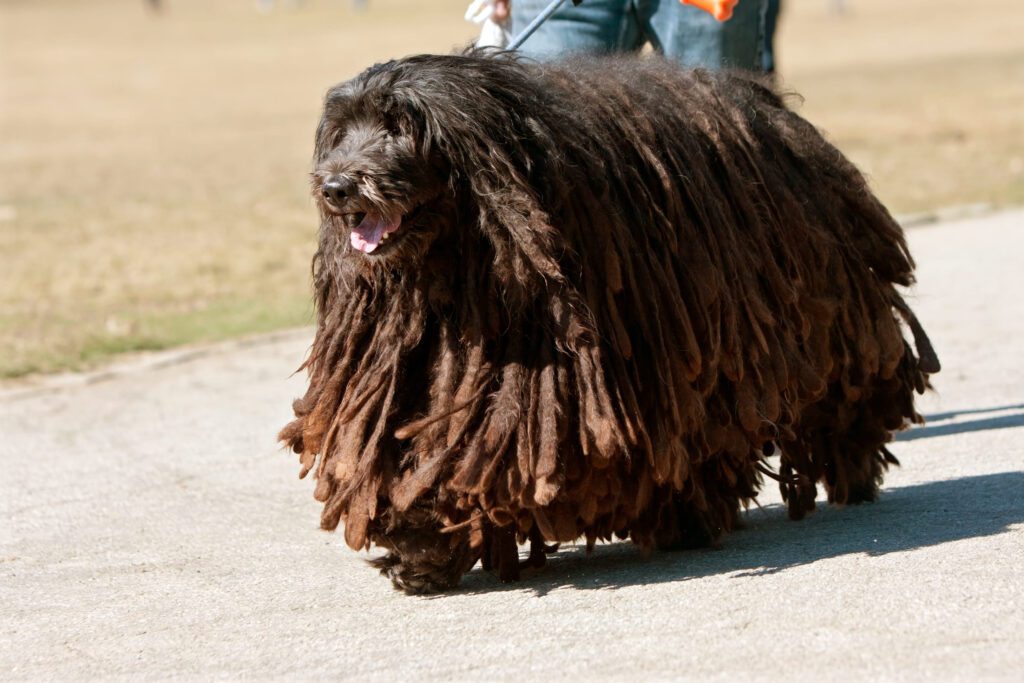
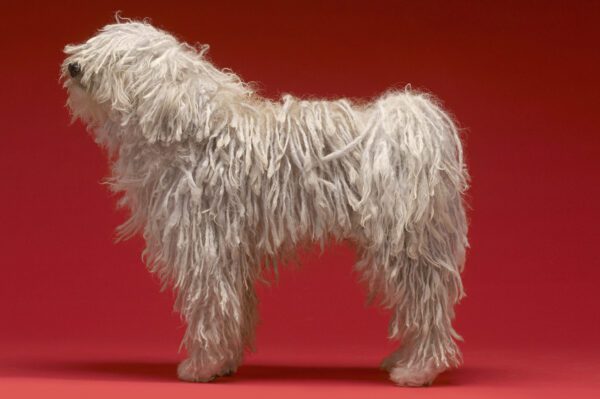
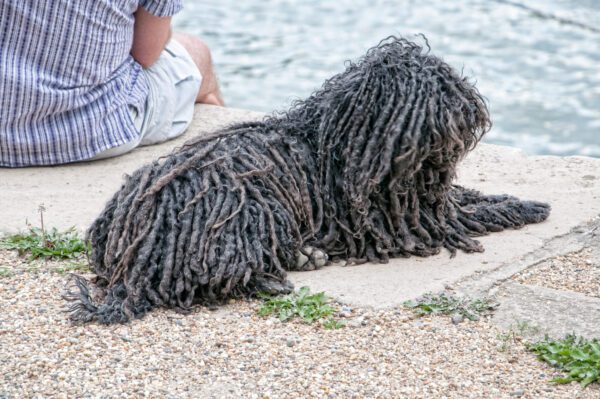
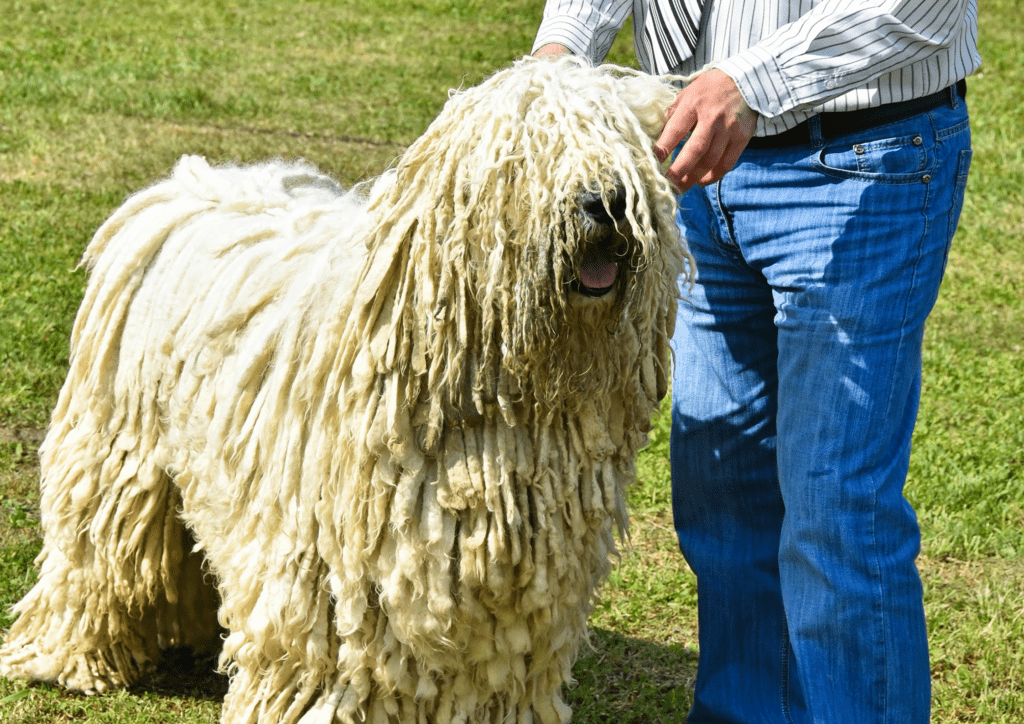
The Komondor is a loyal livestock guardian that stays calm with family yet remains watchful and confident with strangers. The breed’s famous corded coat gives strong weather protection and a striking look. Careful research helps every adopter understand the breed’s independence, size, grooming needs, and space requirements before bringing one home.
Adoption gives a deserving dog a second chance and often provides transparency about health and behavior from people who know the dog well. Adoption also directs your budget toward the dog’s care rather than commercial breeding. Minnesota can suit a Komondor well because cold winters match the coat’s insulation, while the state’s rural and suburban properties often provide room to roam.
Minnesota’s climate still requires planning. Deep snow can cling to cords and increase drying time, and summer heat and humidity require shade, water, and rest during midday. Wide-open fields, secure fencing, and quiet neighborhoods help this thoughtful guardian succeed, while small apartments and constant foot traffic can overwhelm a dog bred to protect territory.
You can avoid searching shelters and rescues separately by using Dog Academy, which organizes adoption listings in one place and points you to educational guides and adoption checklists. You can browse available dogs, learn about each dog’s background, and save time while staying thorough.
Prospective adopters in Minnesota can find Komondors or Komondor mixes through local animal shelters, regional rescues, breed-specific rescue groups, and foster networks. The breed is rare, so expanding your search radius within the Upper Midwest often helps. Rescues sometimes arrange transport to move dogs between locations, which means volunteers or licensed carriers coordinate safe travel and schedule handoffs to bring a dog closer to your home.
The process starts with browsing listings and reading full bios. Reach out to ask detailed questions about temperament, social history, tolerance for grooming, comfort with other dogs, and any experience living around livestock. A clear biography and a responsive foster contact help you determine whether the dog’s energy level, guardian drive, and coat maintenance align with your lifestyle.
Most groups require an application with references, proof of housing, and landlord approval if you rent. Meet-and-greets let all household members, including resident pets, interact with the dog in a calm setting. Home checks happen virtually or in person to confirm secure fencing and a safe setup for a large guardian breed. Some organizations allow a trial placement or a foster-to-adopt period, and final approval timelines typically range from 1 to 3 weeks depending on scheduling and responsiveness.
Prepare before pick-up so your Komondor can decompress. Set up a crate or quiet room, baby gates to manage doorways, non-slip rugs for hard floors, and grooming tools suitable for a corded coat. Dog Academy offers educational guides and adoption checklists that help you plan the first weeks, structure a routine, and prevent common settling-in issues.
|
How Much Does It Cost to Adopt a Komondor in Minnesota?Most adopters in Minnesota can expect an adoption fee around $300 to $500 for a Komondor or Komondor mix. Fees reflect the dog’s age, training level, medical care, and local demand for the breed. The fee usually includes spaying or neutering, vaccinations, microchipping, and veterinary exams. Some groups also include heartworm testing, preventives, and an initial grooming session for heavily matted coats. Puppies often cost more because early vaccines and demand raise expenses, while seniors may cost slightly less. If transport is arranged by a rescue to move the dog between locations, the group may add a separate transport charge to cover fuel, health certificates, and coordinated logistics. |
How Should I Train a Komondor?The Komondor is intelligent and thoughtful, yet the breed makes independent decisions because of its guardian background. Positive reinforcement builds trust and teaches the dog to look to you for guidance, which keeps protective instincts in check. Harsh methods can increase defensiveness, so calm handling and clear rewards work best. Start with foundation skills like sit, down, stay, come, leash manners, and place. Practice boundary training with a secure fence to prevent roaming and to teach reliable recall using a long line. Introduce visitors through structured greetings so the dog learns that guests are welcome. Manage barking by meeting daily exercise needs, teaching a reliable quiet cue, and giving puzzle feeders or scent games for mental work. Cooperative care is essential for a corded coat. Teach the dog to accept gentle handling of paws, ears, tail, and cords, and build up to calm blow-dryer sessions after baths or snow play. For step-by-step guidance tailored to large guardian breeds, enroll in Dog Academy’s online training courses, which offer leash skills, reactivity support, and cooperative care routines you can practice indoors when Minnesota weather turns harsh. |
|
The ideal Komondor adopter has experience with large breeds, a secure fenced yard, and time for training, exercise, and grooming. Households in Minnesota that enjoy structured routines, calm neighborhoods, and consistent outdoor time often provide the right environment. Families with older children who respect boundaries usually find success with this thoughtful guardian.
Preparation sets everyone up for a smooth transition. Take your time to research the breed, gather supplies, and ask thorough questions about each dog. When you feel confident about the match, move forward with patience and consistency so your Komondor can settle in safely and thrive in Minnesota’s unique climate and lifestyle.

Introducing a new puppy to your current dog is often an exciting process, and many dogs will become fast friends and eas...
Read More
Rescue dogs can make great companions and can transform your home into something better. These dogs make great pets and ...
Read More
You should never rush to pet a dog. Even dog owners make the mistake of approaching unfamiliar dogs and petting them rig...
Read More
Puppy mill dogs are survivors who have endured extreme hardships in their lives. They have grown up in horrendous, unsan...
Read More
With their wagging tails and comforting presence, adopting a dog can add a unique touch to your life. It’s a heart...
Read More
Older dogs may have a few gray hairs around the edges, but that doesn’t mean they can’t make wonderful companions! T...
Read More