

























































































































































































Introducing a new puppy to your current dog is often an exciting process, and many dogs will become fast friends and eas...
Read MoreAdopt Me





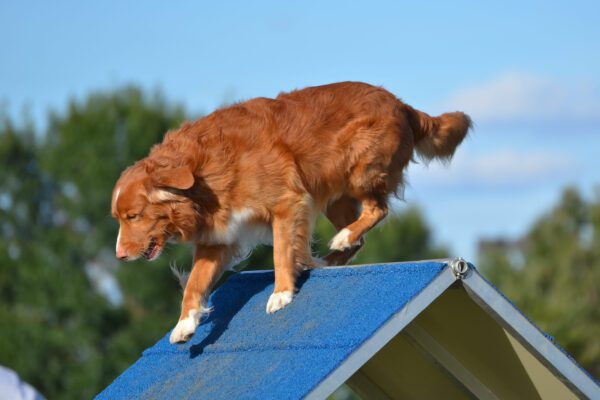
The Nova Scotia Duck Tolling Retriever is a compact, energetic, and affectionate sporting dog. This breed loves to retrieve, enjoys problem solving, and bonds closely with its family. A Toller thrives when it has a job, which can be a daily fetch session, a hike, or a scent game at home. The breed’s intelligence and loyalty make it a wonderful partner for active households that value routine and engagement.
Thoughtful research is essential before you adopt. Understanding exercise needs, grooming requirements, and common health considerations helps you choose a dog that fits your life. Adoption gives a dog a second chance and supports ethical placement. Adopting a Toller also gives you access to a history, a behavior profile, and post-adoption guidance that many shelters and rescues provide.
Minnesota’s climate and geography suit many Tollers. The thick double coat handles cold winters, and the breed’s love of water pairs well with the state’s lakes and rivers. Winter brings ice and salt, so you should plan paw care and provide traction during walks. Long winters call for indoor enrichment to prevent boredom. Warm summers invite swimming and early morning exercise to avoid heat stress. Urban adopters can meet needs with structured walks and training games, while rural adopters can leverage trails and open space.
You can avoid searching shelters and rescues one by one by starting with Dog Academy. You can browse current adoption listings in one place, filter by distance, and read profiles that explain age, temperament, and medical history. You can also use Dog Academy’s educational guides and checklists to prepare your home, plan a smooth transition, and set up a simple first-week routine.
You can also look to local animal shelters, regional rescues, and breed-specific rescue groups. Some Tollers live in foster homes, which can provide detailed behavior notes from daily life. If a suitable dog is outside your immediate area, transport is often arranged by rescues to move dogs between locations. Transport typically uses volunteer drivers or contracted services that coordinate safe, scheduled travel.
The process generally begins with browsing listings, then submitting an application that covers your schedule, home setup, and training plans. Many groups ask for references or landlord approval if you rent. A coordinator reviews your application and schedules a meet-and-greet to observe fit with all family members. Some groups conduct a virtual or in-person home check to confirm safety, fencing, and secure storage of supplies. Approval timelines vary, but many adopters receive decisions within 3 to 14 days after the meet-and-greet.
Once approved, you will sign an adoption contract that outlines care expectations, medical records, and return policies. You will pay the adoption fee, receive vaccination proof, and schedule a pickup day. Plan your first week before pickup so you can manage decompression with a quiet space, leashed potty breaks, and short training sessions. Clear routines help Tollers settle and build confidence.
|
How Much Does It Cost to Adopt a Nova Scotia Duck Tolling Retriever in Minnesota?In Minnesota, you can expect to pay about $300 to $600 to adopt a Nova Scotia Duck Tolling Retriever through a shelter or rescue. Younger dogs, dogs with advanced training, or dogs that received extensive medical care may be at the higher end of that range. Fees usually cover spaying or neutering, vaccinations, microchipping, and veterinary exams. Costs reflect breed rarity in the region, demand for active sporting dogs, and the level of care provided before adoption. Plan for initial setup as well. You may spend $150 to $350 on essentials such as a crate, a leash and collar, identification tags, a harness, food, and grooming tools. A city or county dog license typically costs an additional fee that varies by municipality. A post-adoption wellness visit can confirm baseline health and set up ongoing preventive care. |
How Should I Train a Nova Scotia Duck Tolling Retriever?The Toller is intelligent, eager to work, and sensitive to tone. Positive reinforcement builds trust and produces reliable behaviors. Reward calm focus, a fast recall, and a solid drop cue to channel retrieve drive. Short sessions with clear goals keep learning fun. This breed can be vocal when excited, so teach quiet on cue and reinforce calm greetings to prevent rehearsal of noisy behavior. Common challenges include impulsive chasing, selective listening during high arousal, and frustration barking. You can address these with impulse-control games, pattern training on walks, and structured retrieve routines. Daily mental enrichment is essential. You can rotate food puzzles, hide-and-seek scent games, and basic field drills to satisfy the brainy sporting dog temperament. Consistent guidance speeds results. You can find step-by-step lessons, from foundations to advanced skills, in Dog Academy’s online training courses. You can follow clear plans for loose-leash walking, recall, crate comfort, and polite greetings, which help your Toller settle into Minnesota life with confidence. |

|
The ideal adopter enjoys daily activity and values structure. A Toller suits someone who can provide 60 to 90 minutes of exercise and training spread across the day, along with regular mental work. Families who like hikes, swims, or games of fetch will see this dog shine. Moderate grooming keeps the double coat healthy, and weekly brushing helps manage seasonal shedding.
Set yourself up for success with preparation and patience. Learn the breed’s needs, gather supplies before pickup, and create a routine that balances exercise and rest. Take your time, ask thoughtful questions, and choose the dog whose energy and temperament match your lifestyle. With the right plan, you can adopt a Nova Scotia Duck Tolling Retriever in Minnesota and enjoy a rewarding partnership for years to come.

Introducing a new puppy to your current dog is often an exciting process, and many dogs will become fast friends and eas...
Read More
Rescue dogs can make great companions and can transform your home into something better. These dogs make great pets and ...
Read More
You should never rush to pet a dog. Even dog owners make the mistake of approaching unfamiliar dogs and petting them rig...
Read More
Puppy mill dogs are survivors who have endured extreme hardships in their lives. They have grown up in horrendous, unsan...
Read More
With their wagging tails and comforting presence, adopting a dog can add a unique touch to your life. It’s a heart...
Read More
Older dogs may have a few gray hairs around the edges, but that doesn’t mean they can’t make wonderful companions! T...
Read More