


























































































































































































Introducing a new puppy to your current dog is often an exciting process, and many dogs will become fast friends and eas...
Read MoreAdopt Me

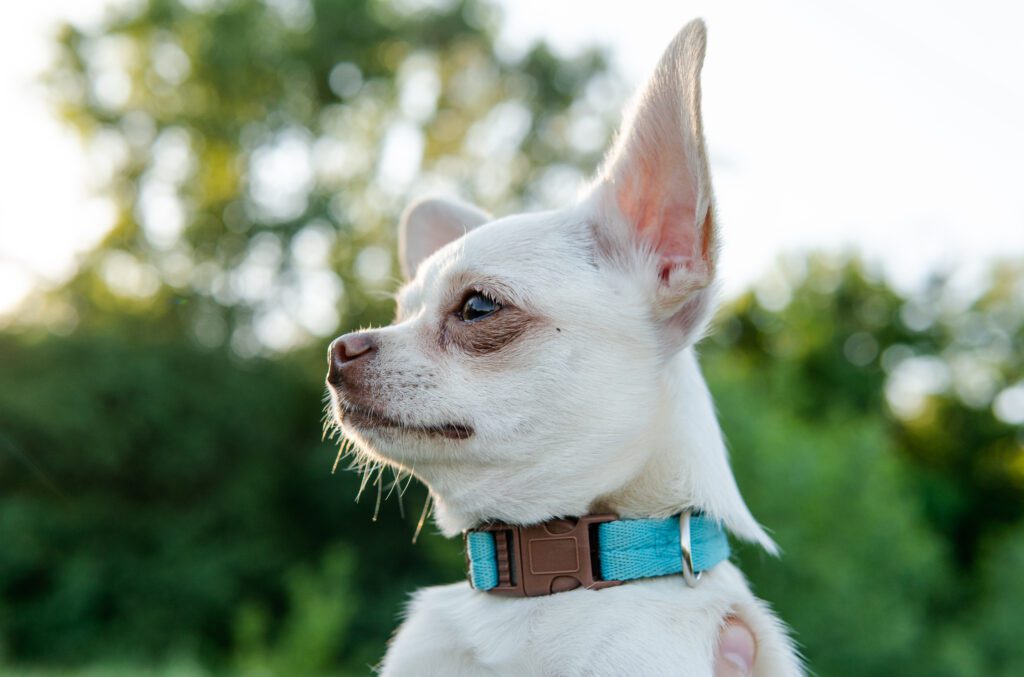


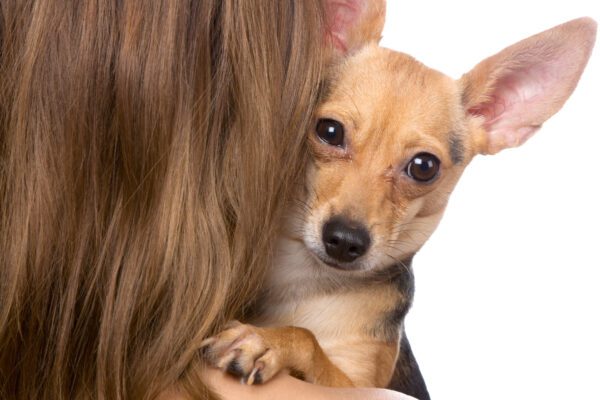
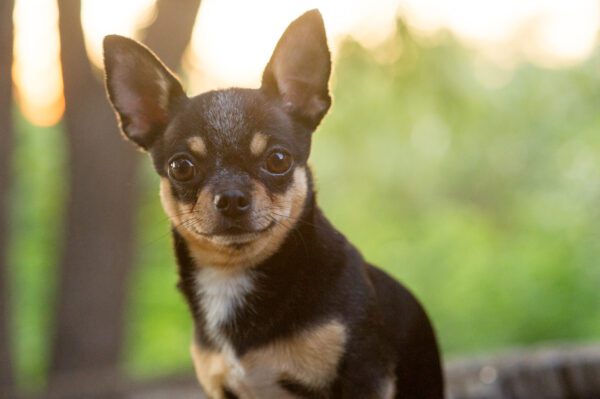
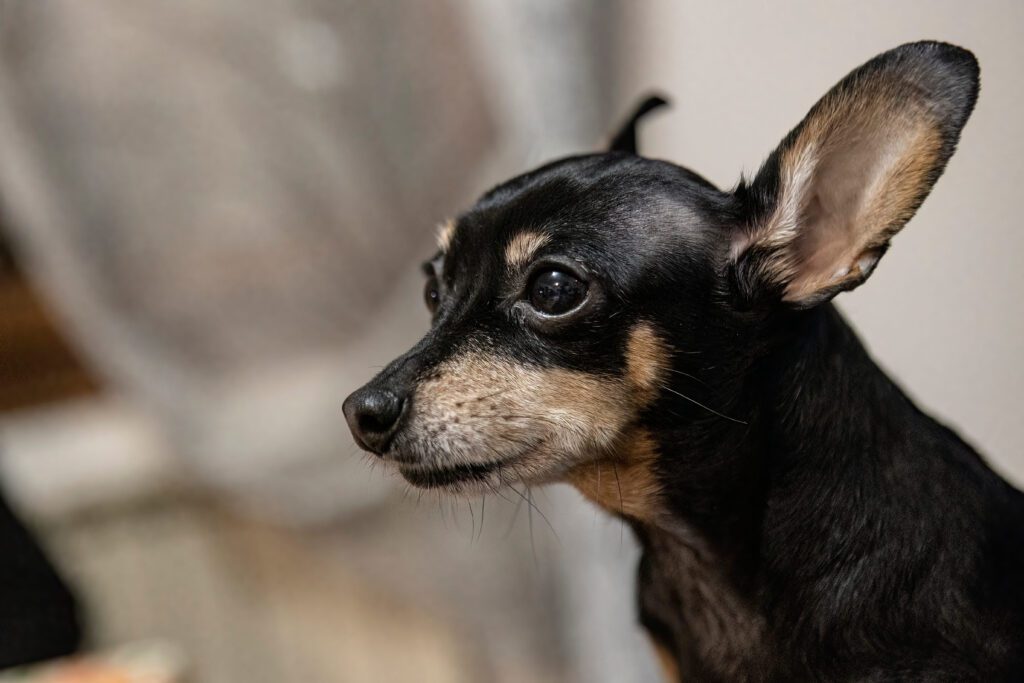
The Deer Head Chihuahua is a small dog with a big presence. This confident companion is alert, affectionate, and loyal, with a graceful profile and quick reflexes. Many people love this breed because it bonds closely with its family and fits well in apartments or smaller homes. The breed enjoys short walks and indoor play, and it thrives on attention and routine.
Research matters before you adopt a Deer Head Chihuahua in Minnesota. This dog is tiny and can be fragile, so families with young children need strong supervision and clear rules. Adoption is a smart choice because it gives a dog a second chance and supports local lifesaving work. Adoption also helps you match with a personality that suits your lifestyle, which makes the transition smoother for everyone.
Minnesota adds a few considerations. Winters are long and cold, which can be tough for a small, short-coated dog. Your Chihuahua will need warm sweaters, paw protection, and short, frequent potty breaks when temperatures drop. Icy sidewalks and de-icing salt can irritate paws, so rinse and dry feet after walks. Rural areas may have wildlife, so supervise yard time and use secure fencing. Many Minnesota households enjoy a relaxed indoor lifestyle during winter, which pairs well with this breed’s love of cozy laps and quiet evenings.
You can skip searching shelters and rescues one by one by using Dog Academy. Dog Academy lists adoptable dogs from trusted sources in one place, so you can browse, compare, and inquire without juggling multiple websites. Dog Academy also offers clear educational guides and adoption checklists that help you prepare your home, choose supplies, and set up a smooth first week.
You can find adoptable Deer Head Chihuahuas through local animal shelters, regional rescues, breed-specific rescue groups, and foster-based networks. Start by browsing listings, reading full bios, and noting each dog’s age, medical history, energy level, and behavior notes. Reach out with specific questions about house training, barking, and comfort with children or other pets. A careful match now prevents stress later and supports a stable long-term placement.
Most organizations follow a similar process. You submit an application that confirms your housing, identifies your veterinarian, and provides references. Approval often takes 3 to 10 business days, depending on volunteer availability and how quickly references respond. A meet-and-greet comes next, either in a foster home or at a neutral location, so you can see how the dog interacts with you and your household members. Some groups complete a virtual or in-person home check to confirm safety items such as secure fencing, safe stairs, and a plan for winter potty breaks. Once approved, you sign an adoption agreement, pay the fee, and schedule pickup. Many rescues also arrange transport between locations when distance is a barrier. Transport is often coordinated by volunteer drivers or professional couriers who move dogs safely between cities, and adopters usually meet at a central pickup point and cover a modest transport fee.
|
How Much Does It Cost to Adopt a Deer Head Chihuahua in Minnesota?Most adopters in Minnesota pay $200 to $450 to adopt a Deer Head Chihuahua. Fees vary with age, demand, and the level of veterinary care provided before adoption. Puppies and young adults tend to sit at the higher end because they receive more inquiries and often need extra boosters. Seniors and dogs with special needs are often lower because groups want to encourage placement into stable homes. Adoption fees usually include spaying or neutering, vaccinations, microchipping, and veterinary exams. Many small dogs also receive dental evaluations, and completed dental cleanings can increase the fee because anesthesia and follow-up care add cost. Fees may rise if the dog has completed behavior training or if the group invested in diagnostics such as bloodwork or heartworm testing. Urban demand for small, apartment-friendly dogs can also nudge prices upward. |
How Should I Train a Deer Head Chihuahua?Deer Head Chihuahuas are bright, observant, and eager to please the people they trust. Short, upbeat sessions work best. Reward good choices with treats, praise, and play. This breed can be vocal, so teach a quiet cue and reinforce calm behavior early. Many Chihuahuas try to manage the world with barking because of their size, so consistent guidance builds confidence and reduces reactivity. House training can take longer in cold weather, so use frequent outings, clear routines, and a properly sized crate. For deep winter days, an indoor potty area with grass pads can keep progress on track. Socialization is essential. Introduce friendly, gentle dogs and calm visitors in controlled settings. Handle paws, ears, and mouth daily so grooming and veterinary visits feel routine. Use a harness instead of a collar to protect the trachea on walks. Keep sessions brief and positive, and end while your dog is still engaged. If you want a clear plan, explore Dog Academy’s online training courses for step-by-step lessons, problem-solving tips, and coaching that fits a busy schedule. |
|
The ideal home for this breed offers patience, gentle handling, and a calm routine. A great match includes people who enjoy indoor time, can protect a small dog from winter weather, and can manage introductions with children or larger pets. Gather supplies in advance, set up safe zones, and map out your first week. Take your time, ask thorough questions, and make a thoughtful decision. When you are ready, browse listings through Dog Academy, learn from expert guides, and adopt a Deer Head Chihuahua in Minnesota with confidence.

Introducing a new puppy to your current dog is often an exciting process, and many dogs will become fast friends and eas...
Read More
Rescue dogs can make great companions and can transform your home into something better. These dogs make great pets and ...
Read More
You should never rush to pet a dog. Even dog owners make the mistake of approaching unfamiliar dogs and petting them rig...
Read More
Puppy mill dogs are survivors who have endured extreme hardships in their lives. They have grown up in horrendous, unsan...
Read More
With their wagging tails and comforting presence, adopting a dog can add a unique touch to your life. It’s a heart...
Read More
Older dogs may have a few gray hairs around the edges, but that doesn’t mean they can’t make wonderful companions! T...
Read More