




















































































































































































Introducing a new puppy to your current dog is often an exciting process, and many dogs will become fast friends and eas...
Read MoreAdopt Me

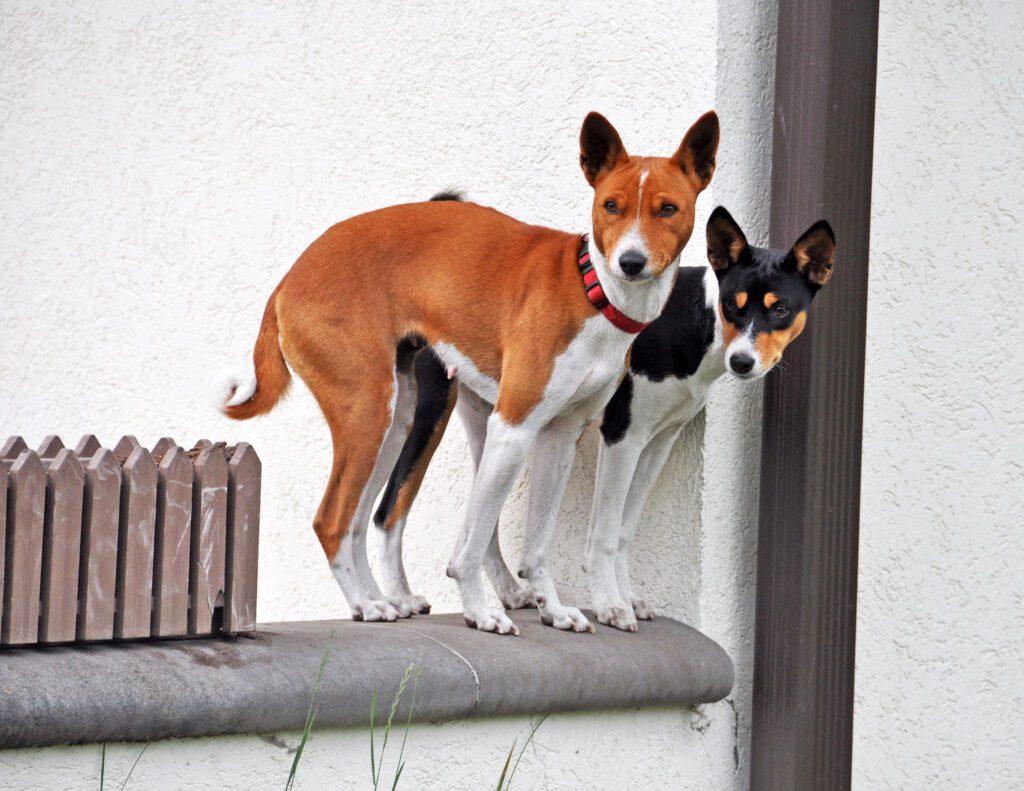
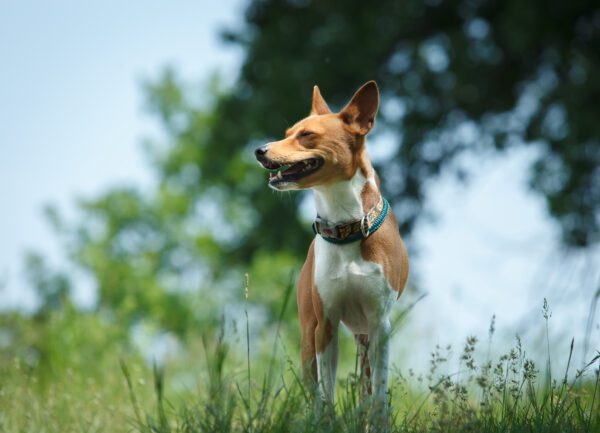
Basenjis are alert, graceful, and exceptionally clean dogs that appeal to people who want a compact companion with big personality. The breed is often called barkless because Basenjis yodel instead of barking, and many families appreciate the quiet nature. Basenjis bond closely with their people, show cat-like grooming habits, and carry a confident, curious spirit that keeps life interesting.
Thoughtful research matters before any adoption. Basenjis are independent thinkers with a strong prey drive and a talent for problem solving, which means consistent training and secure management are essential. Adopting instead of buying opens the door for a dog in need, and it often provides more transparency about temperament and medical history through foster notes and behavior evaluations. Adoption also reduces demand on breeders and supports responsible placement.
Minnesota offers wonderful outdoor options for an athletic breed, yet the climate creates special considerations. Winters are long and cold, and Basenjis have short coats that provide little insulation. A warm sweater, limited exposure during extreme cold, and paw protection on ice or road salt keep a Basenji comfortable. Summers bring beautiful trails and lake paths that suit this agile dog, but reliable recall is uncommon for the breed, so a secure fence or a long line is important. Basenjis can thrive in apartments or suburban homes in Minnesota when daily exercise and mental enrichment stay consistent.
You can skip searching multiple rescues and shelters separately by browsing statewide listings on Dog Academy. You can see available dogs, learn about requirements, and use educational guides and adoption checklists to prepare with confidence. You can also set your expectations about care, training, and supplies before you meet dogs in person.
Adoptable Basenjis appear through local animal shelters, regional rescues, and breed-specific rescue groups. General shelters may list Basenjis or Basenji mixes, and breed-focused groups may have dogs in foster homes across the Midwest. Many organizations post detailed bios that describe energy level, social history, and compatibility with children, dogs, or cats. Careful reading helps you focus on dogs that match your lifestyle.
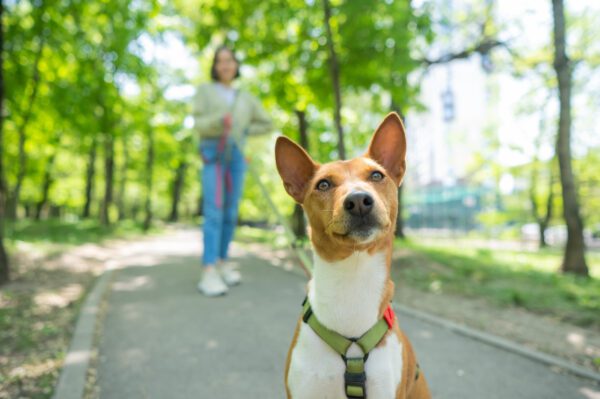
The process usually starts by browsing listings and submitting an online application. Most organizations ask for personal references, proof of landlord approval when you rent, and information about your veterinary history if you have pets. Meet-and-greets help you see how the dog interacts with you and with resident animals. Home checks happen in person or by video to confirm safety, secure fencing, and space for rest. Approval timelines vary by dog and by organization, and many adoptions finalize within 1 to 3 weeks when all requirements are met.
Transport is often arranged by rescues to move dogs between locations when a good match is found. Volunteer drivers or professional carriers move the dog safely between cities or neighboring states, and adopters may pay a transport fee to cover fuel or logistics. Clear communication about pickup points, timing, and acclimation helps the dog transition smoothly into a new home.
|
How Much Does It Cost to Adopt a Basenji in Minnesota?Most adopters in Minnesota pay $300 to $600 to adopt a Basenji. Younger dogs and dogs with high demand often fall at the upper end of the range. Senior dogs and dogs with special needs may fall closer to the lower end. Fees reflect age, training, medical care provided before placement, and regional demand for the breed. Adoption fees commonly include spaying or neutering, vaccinations, microchipping, and veterinary exams. Many organizations also provide heartworm testing, deworming, and a behavioral assessment. Additional costs after adoption often include a license, a crate, winter gear, high-quality food, and training support. Planning for these items ensures a smooth start. |
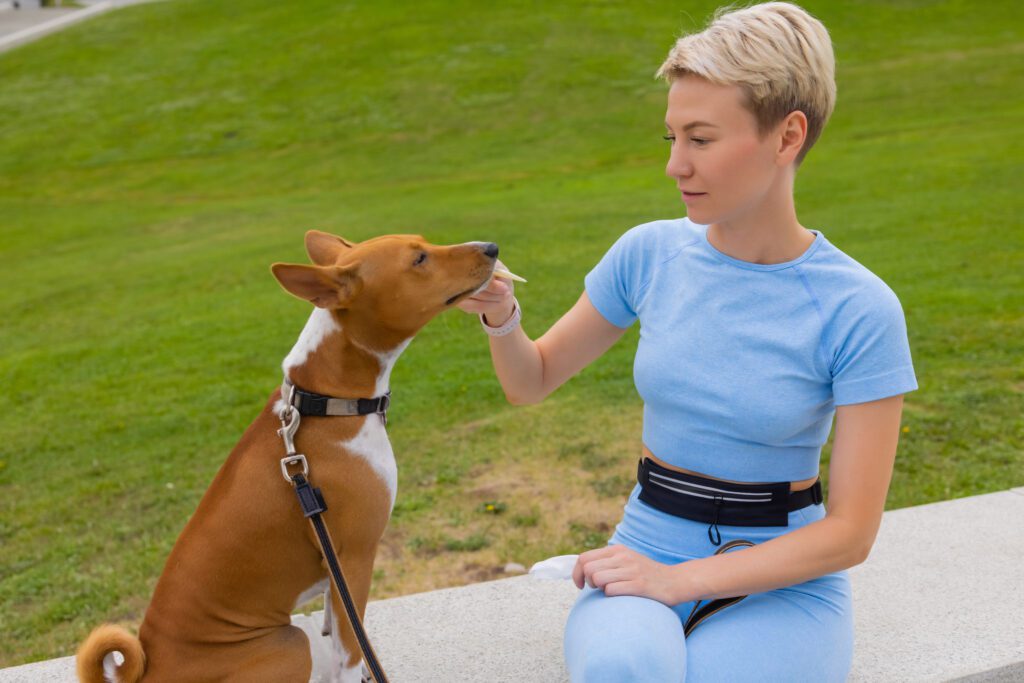
How Should I Train a Basenji?Basenjis are intelligent and curious, yet the breed stays independent, which can make training feel different from working with biddable breeds. Positive reinforcement works best for Basenjis, and short, upbeat sessions keep focus strong. Clear markers, frequent rewards, and games that tap into scenting and problem solving help the dog learn while staying engaged. Common challenges include recall, leash manners, and impulse control. A reliable off-leash recall is rare for this breed because of the strong prey drive, so management with a fence or a long line is wise. Teach check-ins, name recognition, and an emergency cue to build safer responses. Practice loose-leash walking with frequent reinforcement and direction changes to prevent pulling. Crate training supports house training and gives a safe place to rest. Daily mental enrichment through scent games, puzzle feeders, and short trick sessions helps prevent destructive chewing and boredom. You can build skills with structured guidance through Dog Academy’s online training courses. Step-by-step lessons cover puppy foundations, loose-leash walking, impulse control, and recall games that respect Basenji instincts. Flexible modules let you train at home and progress at a comfortable pace. |
|
The ideal Basenji adopter enjoys daily activity, values structure, and stays patient with an independent learner. A secure yard or a commitment to leashed outings keeps the dog safe, and a warm, cozy home helps a short-coated breed through a Minnesota winter. Consistent enrichment and kind training build trust and good manners.
Preparation sets every adoption up for success. Take time to research the breed, gather supplies, and speak openly with adoption counselors about your schedule, home environment, and goals. Careful matching and patient onboarding help you welcome the right Basenji and build a happy life together in Minnesota.

Introducing a new puppy to your current dog is often an exciting process, and many dogs will become fast friends and eas...
Read More
Rescue dogs can make great companions and can transform your home into something better. These dogs make great pets and ...
Read More
You should never rush to pet a dog. Even dog owners make the mistake of approaching unfamiliar dogs and petting them rig...
Read More
Puppy mill dogs are survivors who have endured extreme hardships in their lives. They have grown up in horrendous, unsan...
Read More
With their wagging tails and comforting presence, adopting a dog can add a unique touch to your life. It’s a heart...
Read More
Older dogs may have a few gray hairs around the edges, but that doesn’t mean they can’t make wonderful companions! T...
Read More