




















































































































Introducing a new puppy to your current dog is often an exciting process, and many dogs will become fast friends and eas...
Read MoreAdopt Me

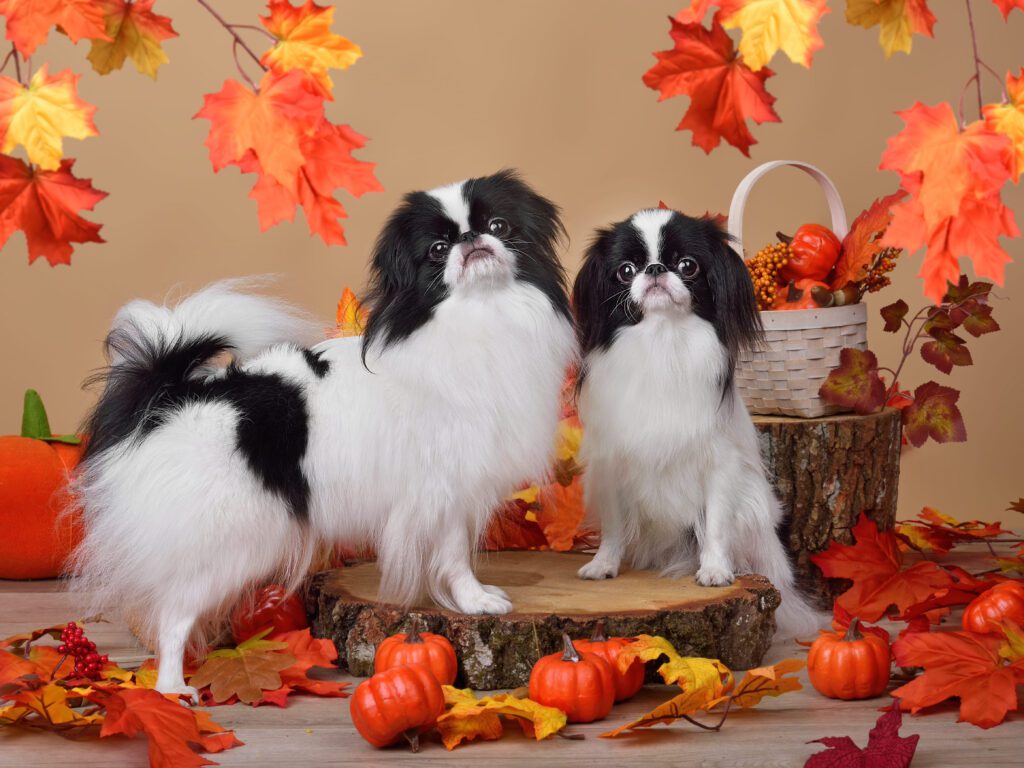
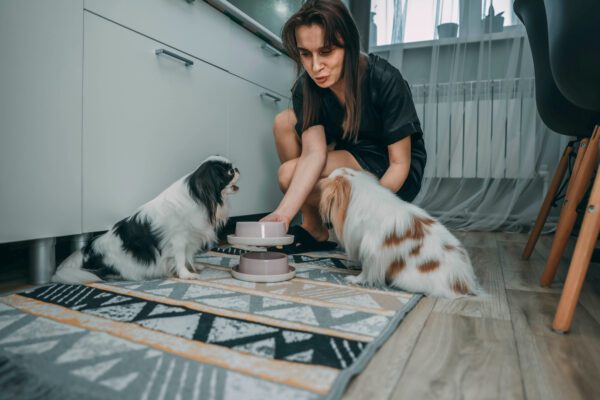
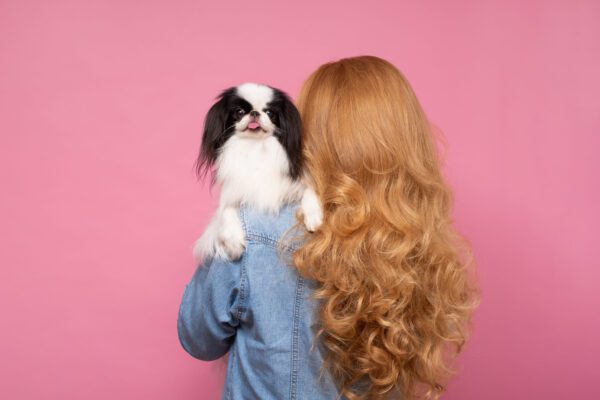
The Japanese Chin is a charming companion dog known for a silky coat, expressive eyes, and a gentle, catlike grace. This toy breed bonds closely with its people, enjoys quiet play, and prefers soft laps to rugged hikes. A Japanese Chin thrives with calm routines, light exercise, and warm affection.
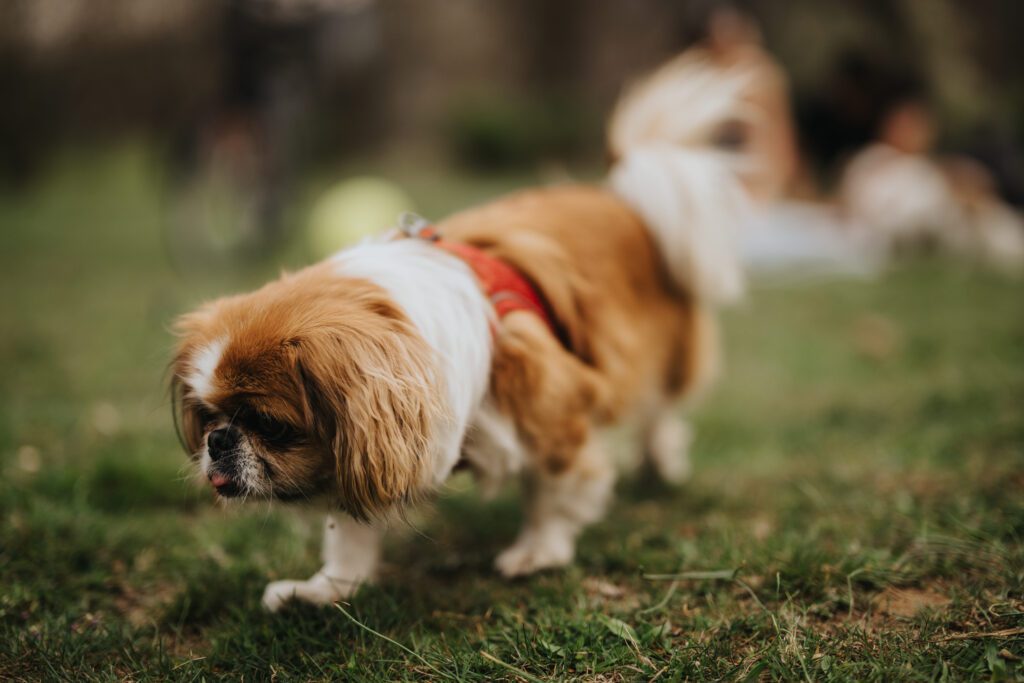
Research sets you and your dog up for success. The breed’s flat face can make breathing harder in heat, and a small frame needs careful handling. Regular grooming keeps the coat clean and free of mats. Consistent socialization, gentle training, and diligent dental care help a Japanese Chin feel secure and stay healthy.
Adoption gives a deserving dog a safe home and supports the animal welfare community. Many adopted dogs arrive with essential veterinary care already completed. Minnesota offers a great fit when you plan around the seasons. Winters are cold and icy, so short outdoor breaks, warm coats, and safe indoor play matter. Summers can be hot and humid, so walks should happen during cooler hours with plenty of water. The breed does well in apartments and small homes across Minnesota as long as it enjoys daily attention, climate control, and a predictable routine.
You can avoid searching rescues and shelters one by one by browsing adoptable Japanese Chins through Dog Academy. The listings help you view dogs from local animal shelters, regional rescues, and breed-specific rescue groups in a single place. Dog Academy also provides educational guides and adoption checklists that walk you through every step with clarity.
Start by reviewing listings and reading each profile in full. Look for details on age, temperament, medical history, and any special needs. Reach out to the organization that is caring for the dog to confirm availability and to ask questions about the dog’s routine, energy level, and grooming needs. Many groups use foster homes, and foster caregivers can share helpful day-to-day insights.
Most organizations require an application with references, proof of address, and landlord approval when applicable. After approval to proceed, a meet-and-greet helps confirm that the match feels right. Some groups schedule a home check, which may be virtual or in person, to ensure a safe setup. Home checks look for secure doors, blocked stair gaps, and a quiet rest area. Timelines vary by group and demand, but the process usually takes from a few days to a few weeks.
If you cannot find a match nearby, regional rescues may arrange transport between locations. Transport is often arranged by rescues to move dogs between states or shelters that have different levels of demand. Volunteer drivers or licensed carriers move the dog along a planned route, and a health certificate from a veterinarian confirms the dog is fit to travel. Some groups ask adopters to meet at a central handoff point to complete the adoption.
Throughout the process, keep the breed’s needs in mind. A Japanese Chin does best with gentle handling, supervised interactions with children, and a calm home. Plan for indoor enrichment during cold snaps and heat waves. Ask about grooming routines and any breathing or dental notes so you can prepare before the dog comes home.
|
How Much Does It Cost to Adopt a Japanese Chin in Minnesota?In Minnesota, the typical adoption fee for a Japanese Chin ranges from $275 to $550. Puppies and young adults often land at the higher end due to demand and recent veterinary work. Seniors and dogs with ongoing medical needs may be lower. Costs reflect included care such as spaying or neutering, vaccinations, microchipping, and veterinary exams. Many groups also cover heartworm testing, parasite treatment, dental cleanings when needed, and behavior assessments that help match the dog to the right home. Fees vary based on age, prior medical or dental care, training, and local demand. A dog that has completed obedience lessons or specialized veterinary treatment may carry a higher fee that offsets those expenses. Location within Minnesota can also affect cost due to differences in veterinary pricing and supply. |
How Should I Train a Japanese Chin?The Japanese Chin is intelligent, observant, and sensitive to tone. Gentle, reward-based methods work best. Use short sessions with clear, upbeat cues, and end each lesson with success. Food rewards, soft praise, and play keep focus high without creating stress. House training can take extra patience, especially in winter when icy conditions shorten outdoor breaks. Set a consistent schedule, use a crate for routine, and consider an indoor potty area during deep freezes. Early socialization builds confidence and reduces timid behavior. Teach a quiet cue to manage alert barking, and provide puzzle toys to meet mental needs without overexertion. For step-by-step lessons, enroll in Dog Academy’s online training courses. The curriculum shows you how to teach foundation skills, shape polite manners, and address small-breed challenges with clear plans you can practice at home. |
|
The ideal adopter enjoys a calm lifestyle, offers daily companionship, and values gentle handling. Families with respectful children, singles who work from home, and retirees often make excellent matches. A consistent routine, indoor enrichment, and climate-smart care help a Japanese Chin flourish.
Prepare before you bring your dog home. Set up a soft bed, non-slip rugs, a well-fitted harness, and a grooming kit with a pin brush and comb. Choose a veterinarian and plan a training schedule. Take time to research, ask thoughtful questions, and move at a pace that feels right. When you adopt a Japanese Chin in Minnesota with care and patience, you build a loving bond that lasts.
Introducing a new puppy to your current dog is often an exciting process, and many dogs will become fast friends and eas...
Read More
Rescue dogs can make great companions and can transform your home into something better. These dogs make great pets and ...
Read More
You should never rush to pet a dog. Even dog owners make the mistake of approaching unfamiliar dogs and petting them rig...
Read More
Puppy mill dogs are survivors who have endured extreme hardships in their lives. They have grown up in horrendous, unsan...
Read More
With their wagging tails and comforting presence, adopting a dog can add a unique touch to your life. It’s a heart...
Read More
Older dogs may have a few gray hairs around the edges, but that doesn’t mean they can’t make wonderful companions! T...
Read More