





























































































































































































Introducing a new puppy to your current dog is often an exciting process, and many dogs will become fast friends and eas...
Read MoreAdopt Me



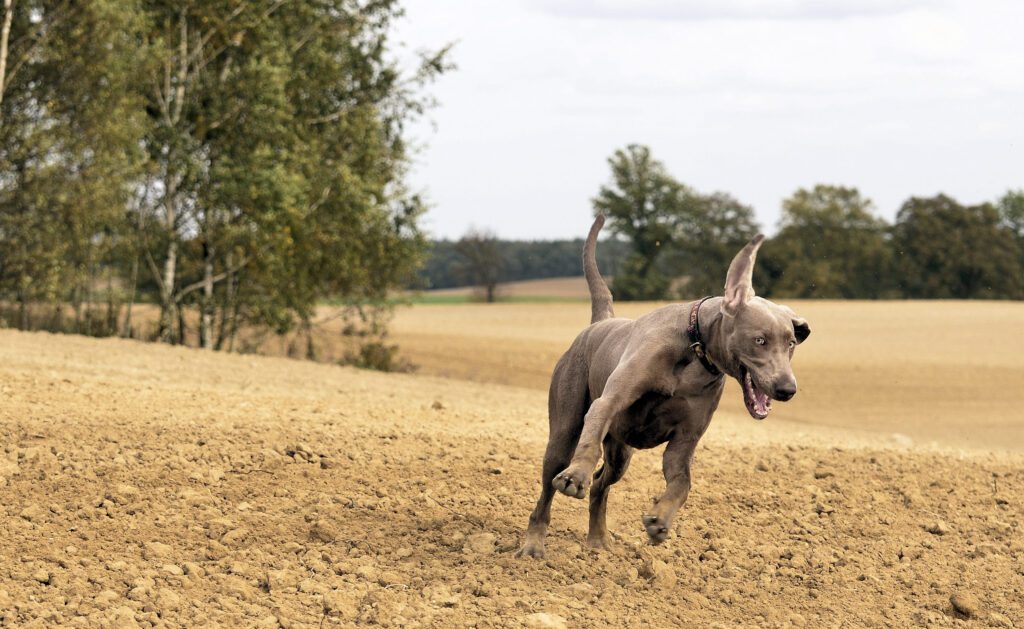
The Weimaraner is an energetic, affectionate, and highly intelligent sporting dog that forms deep bonds with people. This silver-coated athlete thrives with daily adventure and close companionship. The breed’s eager nature and problem-solving mind make training rewarding when you provide structure and consistency.
Thoughtful research before adoption matters because a Weimaraner’s needs are specific and demanding. The breed has a strong prey drive, a high exercise requirement, and a tendency toward separation anxiety. Adoption is preferable to buying because you give a dog a second chance while gaining support from knowledgeable adoption counselors. You also start with a dog that has received essential veterinary care, which saves time and money.
Pennsylvania can suit a Weimaraner well when you plan for climate and lifestyle. Summers are warm and humid, so you must schedule exercise during cooler hours and provide shade and water. Winters are cold and snowy, so a fitted coat and paw protection help during outdoor runs. The state’s mix of neighborhoods, small towns, and rural areas creates many options for exercise on local trails and fields. City life in Pennsylvania can also work when you commit to long daily walks, enrichment at home, and secure management to prevent bolting.
You can skip hunting through separate rescues and shelters by using the adoption listings on Dog Academy. Dog Academy gathers Weimaraners and Weimaraner mixes from local animal shelters, regional rescues, and breed-specific rescue groups in one place. You can also find educational guides and a step-by-step adoption checklist that helps you prepare your home, supplies, and schedule.
Start by browsing listings and reading each dog’s profile in full. Profiles usually describe age, size, temperament, energy level, and any known behavior notes. Match the dog’s needs to your lifestyle and experience. Make a short list, then reach out with questions about history, daily routine, and medical records so that you can set clear expectations from day one.
Most organizations use an application to learn about your home, schedule, and training plan. Expect to share references, proof of residence, and landlord approval when relevant. Many groups call your veterinarian to confirm prior pet care. A photo ID is typically required, and some groups ask for photos of your yard or living space to confirm safety and containment.
After your application is reviewed, you will schedule a meet-and-greet. Bring all household members and any resident dogs so everyone can interact safely. Many groups complete a home check in person or by video to confirm that exits are secure and that you have space for feeding, sleeping, and training. Approval timelines vary, but most well-prepared adopters in Pennsylvania move from application to decision in 1 to 3 weeks. Final steps include signing an adoption contract, paying the fee, and receiving counseling on transition, nutrition, and veterinary follow-up.
Some rescues arrange transport to move dogs between locations when a better match is found elsewhere. Transport is often organized by staff or volunteers who drive scheduled routes and coordinate handoffs at safe meeting points. You may be asked to meet at a central pickup site or pay a modest transport fee to offset fuel and care during travel. Clear communication and written instructions help the dog arrive with less stress.

|
How Much Does It Cost to Adopt a Weimaraner in Pennsylvania?In Pennsylvania, most adopters pay $250 to $450 when adopting through breed-focused rescues. Municipal shelters often charge $100 to $200. Puppies and young adolescents sometimes reach $500 due to high demand and the cost of early care. Fees usually include spaying or neutering, vaccinations, microchipping, and veterinary exams, which would cost more if you arranged them yourself. Costs vary with age, training, medical care, and demand. Adults that already received basic training may cost slightly more because the organization invested time in manners and leash skills. Dogs that needed dental work or treatment for infections may also have higher fees that reflect the added veterinary care. Transparent fee explanations help you understand how your payment supports the dog’s health and the rescue’s ongoing work. |
How Should I Train a Weimaraner?Weimaraners are bright, sensitive, and eager to work with people, which makes positive reinforcement the best approach. Reward calm behaviors, capture good choices, and keep sessions short and upbeat. Daily mental enrichment with food puzzles, scent games, and short training drills prevents boredom and reduces problem behaviors. Common challenges include pulling on leash, exuberant jumping, and anxiety when left alone. A structured routine with aerobic exercise and training every day is essential. Teach loose-leash walking, a reliable recall, a strong stay, and impulse control through settle on a mat. Crate training builds independence and keeps the dog safe when you cannot supervise. Early and ongoing socialization with friendly dogs and people helps the Weimaraner stay confident and polite in busy Pennsylvania settings. For step-by-step guidance, explore Dog Academy’s online training courses. Lessons cover foundation skills, leash manners, recall games, and enrichment plans tailored for high-energy sporting breeds. You can follow a clear progression at home and build a plan that fits your schedule. |
|
The ideal owner for a Weimaraner enjoys daily activity, values structure, and has time for training and companionship. A runner, hiker, or active family that can provide exercise in all seasons will help this breed thrive in Pennsylvania. A secure yard or a reliable exercise routine is important because the breed loves to chase and explore.
Preparation leads to a smooth transition. Set up a crate, baby gates, chew toys, and a training plan before your dog arrives. Learn the breed’s needs, talk with adoption counselors, and take your time choosing the right match. When you are ready, browse the listings on Dog Academy and move forward with confidence, patience, and a commitment to lifelong care.

Introducing a new puppy to your current dog is often an exciting process, and many dogs will become fast friends and eas...
Read More
Rescue dogs can make great companions and can transform your home into something better. These dogs make great pets and ...
Read More
You should never rush to pet a dog. Even dog owners make the mistake of approaching unfamiliar dogs and petting them rig...
Read More
Puppy mill dogs are survivors who have endured extreme hardships in their lives. They have grown up in horrendous, unsan...
Read More
With their wagging tails and comforting presence, adopting a dog can add a unique touch to your life. It’s a heart...
Read More
Older dogs may have a few gray hairs around the edges, but that doesn’t mean they can’t make wonderful companions! T...
Read More