

























































































































































































Introducing a new puppy to your current dog is often an exciting process, and many dogs will become fast friends and eas...
Read More
How to Introduce a New Puppy to Your Dog
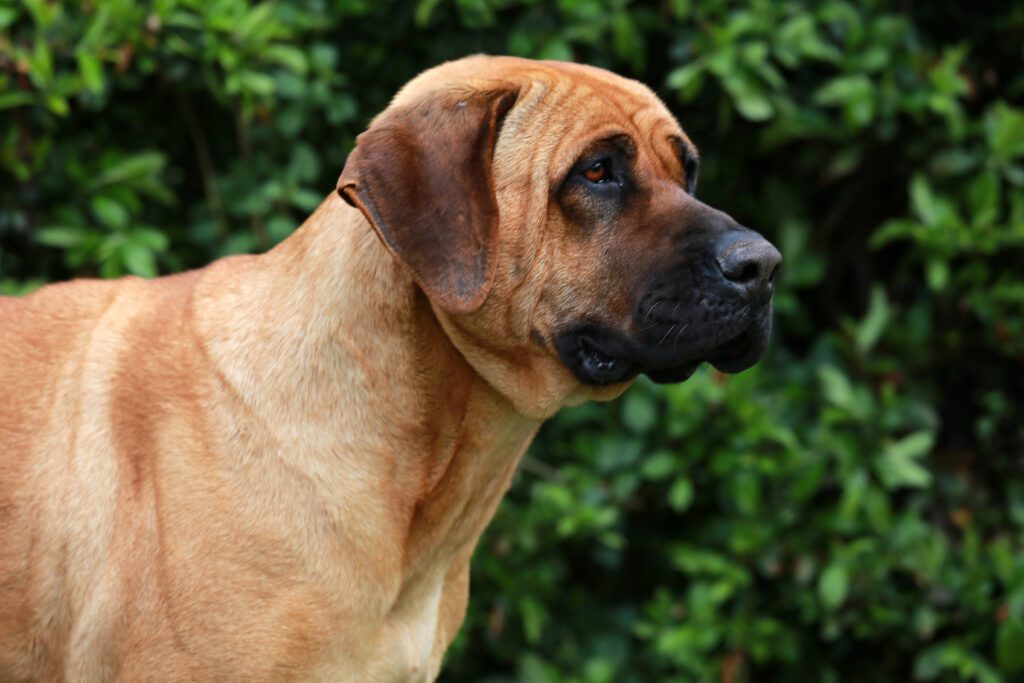
The Tosa Inu is a calm, confident, and loyal guardian that bonds deeply with its family. This large and powerful breed stays composed in the home and shows steady courage in public, which creates a sense of security for experienced owners. A Tosa Inu thrives with clear guidance, steady routines, and respectful handling.
Research matters because this breed is thoughtful, strong, and not a fit for every lifestyle. Adoption is a responsible path that saves a life, supports ethical rescue work, and often includes essential veterinary care and behavioral insights. Adopting also gives you a clearer picture of temperament and needs compared with buying a puppy that is still developing.
Pennsylvania offers four true seasons, which affects exercise and care for a large guardian breed. Hot and humid summers in many parts of the state call for shade, cool water, and slow midday activity to prevent overheating. Cold winters bring snow and ice that suit brisk outings, though joint protection and traction on slick sidewalks are important for a heavy dog. Urban neighborhoods and rowhouses in cities like Philadelphia and Pittsburgh demand excellent leash skills and calm elevator or stair manners, while rural and suburban areas provide room for structured play in a secure yard. With planning, a Tosa Inu can do well across the state.
You can avoid searching shelters and rescues one by one by using Dog Academy to browse adoption listings in one place. You can filter for size, age, and location, and you can access helpful guides and adoption checklists to prepare your home. You can also look at local animal shelters, regional rescues, and breed-specific rescue groups, and you can expand your search radius since the Tosa Inu is rare in Pennsylvania.
Start by browsing listings and reading each profile carefully. Match energy level, size, and temperament to your daily routine, your home setup, and your household members. Ask about interactions with other dogs, cats, and children, and ask about leash manners, crate skills, and any known triggers. Request details on medical history, training progress, and current diet so you can plan a smooth transition.
Most organizations use an application that asks about experience, housing, fencing, and veterinary references. You may need landlord approval if you rent and you may need proof of home insurance that allows large dogs. Response times typically range from 3 to 10 days depending on volunteer availability. If your application is a match, the next steps often include a virtual or in-person meet-and-greet and a home check to confirm safety and readiness.
Meet-and-greets help you see handling needs, confidence, and body language. Introductions with resident pets should happen slowly and in neutral spaces with calm handlers and clear exits. A home check verifies secure doors and gates, safe storage of chemicals, and an area for rest and decompression. After approval, you sign an adoption contract, pay the fee, and schedule pick up. Many groups offer a trial period and post-adoption support to help with settling in.
Because this breed is uncommon, some rescues arrange transport between locations to place the right dog with the right home. Transport is often arranged by rescues to move dogs between states using coordinated volunteer drivers or licensed pet transport services. Dogs usually travel with health certificates and clear handoff plans, and adopters sometimes cover a modest transport fee.
|
How Much Does It Cost to Adopt a Tosa Inu in Pennsylvania?In Pennsylvania, most adopters can expect to pay $300 to $650 to adopt a Tosa Inu. Puppies or dogs with extensive veterinary care or professional training can reach $700 to $800 when demand is high. Fees reflect the cost of spaying or neutering, vaccinations, microchipping, and veterinary exams, and they may also include heartworm testing, parasite treatment, behavior assessments, and starter supplies. Age, training, medical care, and demand shape the final fee. Puppies usually cost more due to boosters and longer foster care, while seniors may cost less because rescues prioritize placement. Dogs that arrive with orthopedic care, dental work, or structured training support often carry higher fees because those services increase total expenses for the rescue. |
How Should I Train a Tosa Inu?The Tosa Inu is intelligent and deliberate, and it responds best to calm, consistent leadership. Positive reinforcement builds trust and focus because the breed values clear rules and fair feedback. Short and structured sessions that mix obedience and impulse control help this dog learn without becoming frustrated. Common challenges include sheer strength, potential dog selectivity, and natural watchfulness. Focus on foundational cues such as sit, down, stay, leave it, and a reliable recall. Leash training, loose leash walking, and polite greetings protect both the dog and the public. Crate training and mat training teach relaxation on cue, while muzzle conditioning adds a safety layer for vet visits and urban errands. Daily mental enrichment through scent games and food puzzles keeps a thoughtful guardian engaged. If you want step-by-step help, explore Dog Academy’s online training courses for leash manners, reactivity reduction, impulse control, and confidence building. Courses provide clear videos, practice plans, and trainer guidance that you can follow at home anywhere in Pennsylvania, which makes it easier to stay consistent week after week. |

|
A Tosa Inu suits an experienced owner who enjoys structure, clear routines, and steady leadership. The best homes provide time for daily training, safe socialization, and thoughtful exercise. Families with older children who understand boundaries or adult-only households often find the most success with this powerful guardian. A secure yard or a reliable exercise plan is essential.
Preparation sets everyone up for success. Take time to research the breed, gather supplies, and plan the first 30 days at home. Use Dog Academy listings to compare adoptable dogs, and use the guides and courses to build skills before your new companion arrives. When you adopt a Tosa Inu in Pennsylvania with patience and care, you give a loyal dog the stable life it deserves and you gain a confident partner for years to come.
Introducing a new puppy to your current dog is often an exciting process, and many dogs will become fast friends and eas...
Read More
Rescue dogs can make great companions and can transform your home into something better. These dogs make great pets and ...
Read More
You should never rush to pet a dog. Even dog owners make the mistake of approaching unfamiliar dogs and petting them rig...
Read More
Puppy mill dogs are survivors who have endured extreme hardships in their lives. They have grown up in horrendous, unsan...
Read More
With their wagging tails and comforting presence, adopting a dog can add a unique touch to your life. It’s a heart...
Read More
Older dogs may have a few gray hairs around the edges, but that doesn’t mean they can’t make wonderful companions! T...
Read More