




























































































































































































Introducing a new puppy to your current dog is often an exciting process, and many dogs will become fast friends and eas...
Read MoreAdopt Me
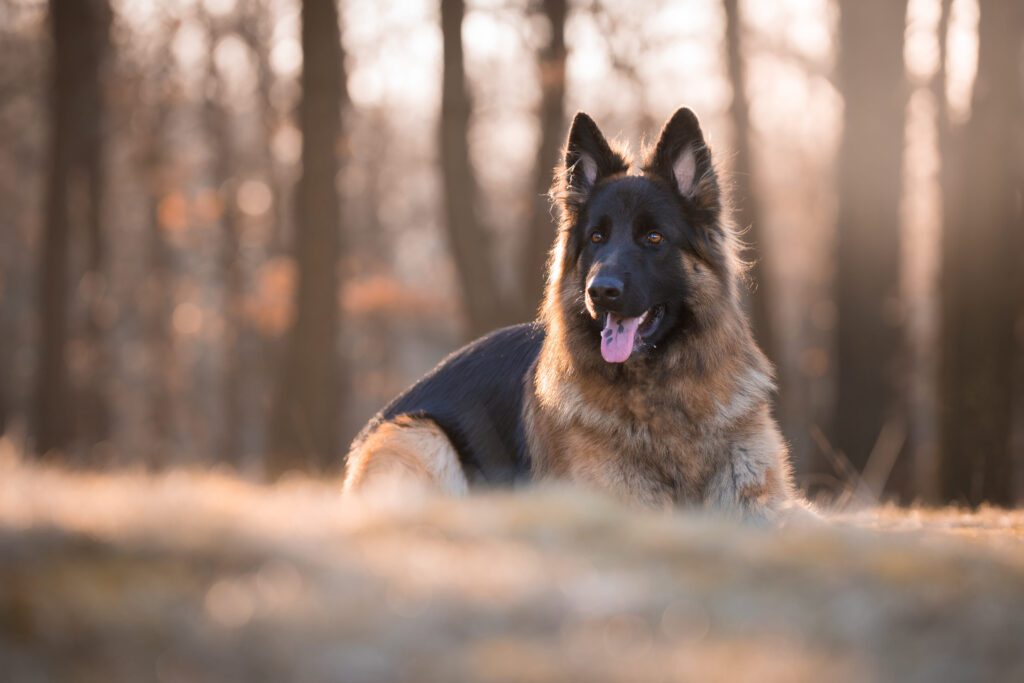


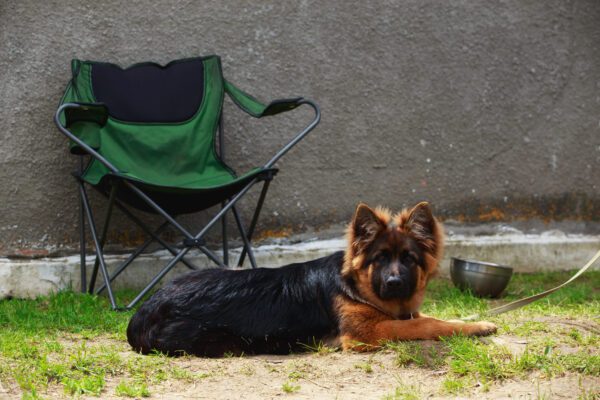
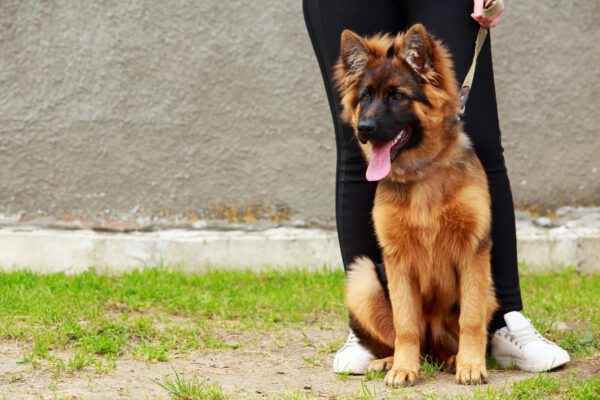
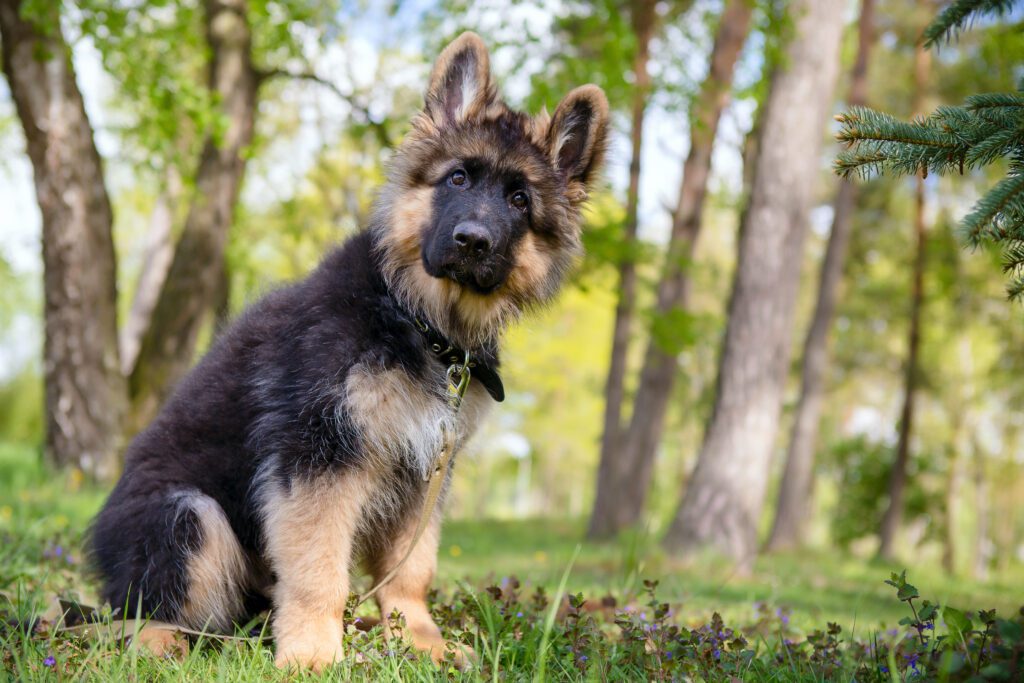
The King Shepherd is a confident, loyal, and intelligent companion that thrives when given a job to do. This large breed offers steadfast devotion, strong protective instincts, and a gentle nature with family. A King Shepherd enjoys learning, excels in structured activities, and rewards consistent leadership with calm, reliable behavior.
Before you adopt a King Shepherd in Pennsylvania, you should research daily exercise needs, coat care, and training expectations. Adoption gives a deserving dog a second chance and supports ethical rescue work. Adoption also helps you avoid impulse buying and the risks that come with irresponsible breeding.
Pennsylvania’s four-season climate suits a King Shepherd’s dense double coat during cold winters, while humid summers require shade, airflow, and cool water. The state’s mix of suburbs, rural land, and walkable neighborhoods offers room to move, yet this breed still needs structured outlets for energy. Apartment living can work with dedication to daily walks, mental enrichment, and polite leash skills, but a yard and access to trails make life easier for a large working dog.
You can avoid searching local animal shelters and regional rescues one by one by starting with Dog Academy. Dog Academy’s adoption listings gather available dogs in one place, which saves time and helps you compare options quickly. Dog Academy also provides clear educational guides and practical adoption checklists that help you prepare your home, budget, and schedule before you apply.
To adopt a King Shepherd in Pennsylvania, begin by browsing listings from local animal shelters, regional rescues, and breed-specific rescue groups. Read each profile closely to understand temperament, exercise needs, medical history, and ideal home setup. Make a shortlist based on energy level, size, age, and compatibility with children or other pets.
Next, complete an application that often requests personal references, landlord approval when you rent, and veterinary history if you already own pets. After an initial review, many organizations schedule a meet-and-greet at a shelter or in a foster home so you can evaluate fit in person. A home check may follow, which can be virtual or in person, to confirm safe fencing, secure storage for food and chemicals, and a quiet space for decompression. Approval timelines vary by organization, but most decisions arrive within 3 to 14 days once all steps are complete.
Some rescues coordinate transport to move dogs between locations when a strong match appears. Transport is often arranged by rescues to move dogs between states or regions using volunteer drivers or licensed carriers. Coordinators schedule routes, confirm health certificates when required, and set pickup points so adopters know exactly where and when to meet. A transport fee or separate donation may apply to cover fuel, tolls, and care during travel.
|
How Much Does It Cost to Adopt a King Shepherd in Pennsylvania?In Pennsylvania, expect a typical adoption fee of $250 to $450 for an adult King Shepherd and $350 to $650 for a puppy. Fees reflect veterinary costs in the state and the demand for large, well-trained companion dogs. Higher fees usually correlate with younger age, advanced training, and recent medical work. Lower fees may apply to seniors or dogs with special needs that require a specific match. Most organizations include spaying or neutering, vaccinations, microchipping, and veterinary exams in the fee. Costs also reflect deworming, heartworm testing or treatment, behavioral assessments, and any urgent care provided in foster. Some groups add modest fees for transport or licensing when applicable. Always ask for an itemized breakdown so you understand what your payment supports and what care your new dog has already received. |
How Should I Train a King Shepherd?A King Shepherd is highly intelligent, eager to work, and quick to learn clear rules. This breed responds best to positive reinforcement that rewards desired behavior with food, toys, or praise. Keep sessions short, upbeat, and consistent so your dog builds confidence and reliability. Common challenges include overexcitement on leash, protective barking, and herding or chasing when arousal runs high. You can prevent problems by teaching impulse control, loose-leash walking, and a rock-solid recall early. Provide daily mental enrichment through scent games, fetch with rules, structured tug, and puzzle feeders. Socialize thoughtfully with stable dogs and calm people so your companion learns to settle in busy Pennsylvania neighborhoods. If you want a step-by-step plan, explore Dog Academy’s online training courses for large breeds. Courses cover foundation obedience, leash manners, polite greetings, and relaxation routines that help a King Shepherd channel energy into good choices. |
|
The ideal adopter enjoys an active lifestyle, provides daily exercise and mental work, and commits to consistent training. A home with a fenced yard or ready access to safe walking areas makes life smoother for this athletic breed. Families that set routines and communicate clearly will see the best of a King Shepherd’s loyalty and calm presence.
Take your time, prepare your space, and gather the supplies you need before you bring a dog home. Research thoroughly, ask detailed questions, and make sure the match fits your schedule and experience level. When you are ready to adopt a King Shepherd in Pennsylvania, start with Dog Academy to view current listings and move forward with confidence.

Introducing a new puppy to your current dog is often an exciting process, and many dogs will become fast friends and eas...
Read More
Rescue dogs can make great companions and can transform your home into something better. These dogs make great pets and ...
Read More
You should never rush to pet a dog. Even dog owners make the mistake of approaching unfamiliar dogs and petting them rig...
Read More
Puppy mill dogs are survivors who have endured extreme hardships in their lives. They have grown up in horrendous, unsan...
Read More
With their wagging tails and comforting presence, adopting a dog can add a unique touch to your life. It’s a heart...
Read More
Older dogs may have a few gray hairs around the edges, but that doesn’t mean they can’t make wonderful companions! T...
Read More