

























































































































































































Introducing a new puppy to your current dog is often an exciting process, and many dogs will become fast friends and eas...
Read MoreAdopt Me
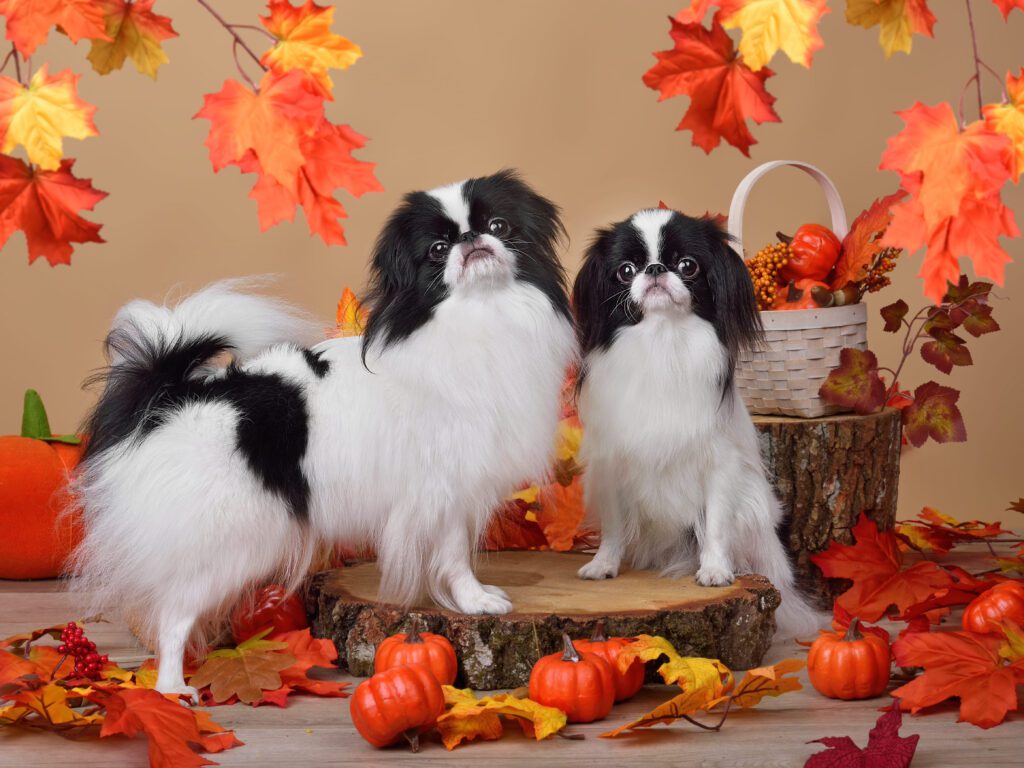


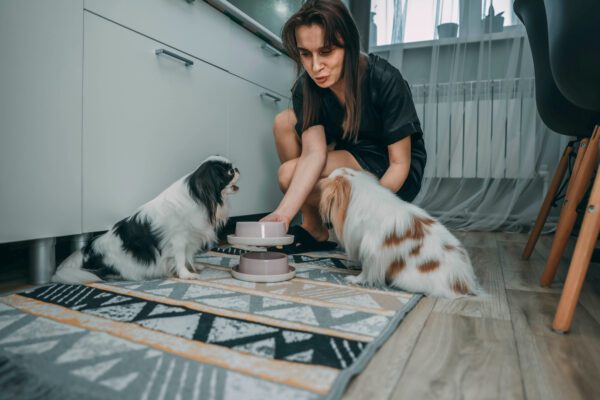
The Japanese Chin is a gentle, graceful companion that loves close time with its family. This toy breed is smart, sensitive, and surprisingly playful. The breed bonds closely, enjoys a quiet home, and often chooses a favorite person. The coat is silky and light, which gives an elegant look and requires regular brushing. The breed does best with calm handling and steady routines.
Research matters before you adopt. A well informed adopter understands grooming needs, exercise levels, and typical health concerns. Adoption is a kind choice because it gives a dog a second chance and it supports organizations that save lives. Adopting often includes transparency about behavior and medical history, which helps you choose with confidence.
North Dakota offers space, friendly communities, and a climate that needs planning for a small dog. Winters are long and very cold. A Japanese Chin needs indoor living, short outdoor breaks, and warm gear when temperatures drop. Summers can be hot, and the flat, windy plains can add heat stress. This breed tolerates only moderate weather, so short walks, indoor play, and careful supervision keep a Japanese Chin safe and happy in the state.
You can skip searching shelters and rescues one by one by using Dog Academy. The adoption listings gather available dogs from shelters and rescues in one place, which saves time and helps you compare options. Dog Academy also offers educational guides and adoption checklists that explain each step, which makes the process clear before you apply. You can also look at local animal shelters, regional rescues, and breed-specific rescue groups that work with small companion dogs.
Start by browsing listings and reading full bios. Look for notes about energy level, comfort with children or other pets, and medical needs. When you find a possible match, submit an application. Applications usually ask about your schedule, home setup, landlord approval when you rent, current pets, and your plan for training and veterinary care. Clear answers help teams match you with a dog that fits your lifestyle.
After you apply, expect a screening call or email, reference checks, and a meet-and-greet. Meet-and-greets can be virtual or in person depending on the foster location. Many groups also complete a home check to confirm safety, which can be virtual or on site. Approval timelines vary by group, though 3 to 14 days is common when your references respond quickly and the dog is ready to move.
Transport is sometimes offered when the right dog is in another city or state. Transport is often arranged by rescues to move dogs between locations using volunteer drivers or licensed carriers. The sending group coordinates health certificates and timing, and the receiving group finalizes the adoption. Transport can add time and a small fee, and teams keep you updated until arrival.
|
How Much Does It Cost to Adopt a Japanese Chin in North Dakota?Most adopters in North Dakota pay about $200 to $450 to adopt a Japanese Chin. Lower fees usually come from municipal shelters. Higher fees often come from foster-based or breed-focused rescues that invest in specialized veterinary care for small dogs. Age affects price because puppies are in higher demand, while seniors cost less and may include extra medical support. A dog that arrives already house trained or crate trained can also be priced higher due to added preparation. Adoption fees typically include spaying or neutering, vaccinations, microchipping, and veterinary exams. Some dogs also receive dental cleanings or treatment for patellar luxation or heart murmurs, which can raise the fee. Short-term training, grooming, and transport can add to the total. When transport is needed, expect an additional $50 to $200 to cover logistics. |
How Should I Train a Japanese Chin?The Japanese Chin is bright and eager to please, yet sensitive. The breed learns best with positive reinforcement, short sessions, and soft voices. Offer small treats, gentle praise, and clear timing. Avoid harsh corrections because this can shut down learning. House training can take patience in cold climates. Use a crate, frequent breaks, and a consistent schedule. An indoor potty area helps during extreme weather so your dog stays comfortable and confident. Early socialization builds a calm, polite companion. Introduce new people, surfaces, and sounds in a slow, positive way. Practice loose leash walking, polite greetings, and quiet settling. Teach handling for brushing, nail trimming, and ear care since regular grooming is part of this breed’s routine. Manage barking by rewarding quiet moments and providing daily mental work with puzzle toys and simple tricks. Japanese Chins bond deeply, so build alone time in small steps to prevent separation stress. For step-by-step guidance tailored to small breeds, explore Dog Academy’s online training courses for house training, basic manners, and problem solving. |
|
The ideal adopter enjoys a quiet lifestyle, offers plenty of lap time, and keeps a stable routine. A Japanese Chin thrives with indoor living, gentle walks, and protection from cold and heat. Daily brushing, regular dental care, and kind training help this breed stay healthy and relaxed. Budgeting for veterinary care and grooming sets you up for success.
Take your time, ask detailed questions, and meet more than one dog if needed. Prepare your home with safe gates, a crate, non-slip rugs, and winter gear. When you are ready, use Dog Academy resources to research, plan, and find a match. With patience and preparation, you can adopt a Japanese Chin in North Dakota and welcome a devoted companion for years to come.

Introducing a new puppy to your current dog is often an exciting process, and many dogs will become fast friends and eas...
Read More
Rescue dogs can make great companions and can transform your home into something better. These dogs make great pets and ...
Read More
You should never rush to pet a dog. Even dog owners make the mistake of approaching unfamiliar dogs and petting them rig...
Read More
Puppy mill dogs are survivors who have endured extreme hardships in their lives. They have grown up in horrendous, unsan...
Read More
With their wagging tails and comforting presence, adopting a dog can add a unique touch to your life. It’s a heart...
Read More
Older dogs may have a few gray hairs around the edges, but that doesn’t mean they can’t make wonderful companions! T...
Read More