

























































































































































































Introducing a new puppy to your current dog is often an exciting process, and many dogs will become fast friends and eas...
Read MoreAdopt Me
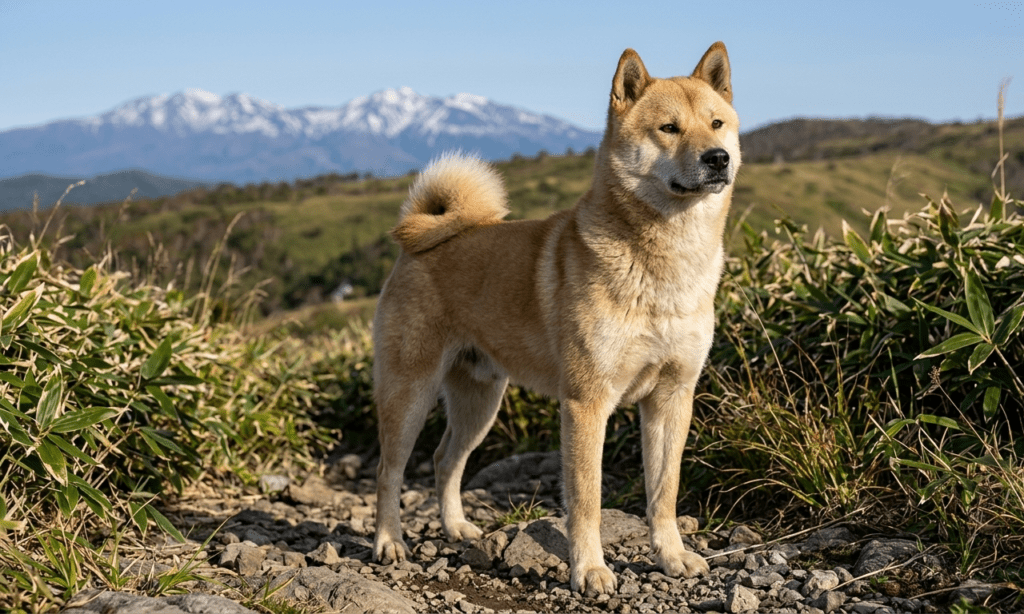

The Hokkaido is a loyal, bold, and intensely devoted companion. This spitz-type breed carries a dense double coat, keen intelligence, and a watchful nature that makes the dog both a steady family guardian and an energetic outdoor partner. The breed tends to bond deeply with its people, stays reserved with strangers, and shows a strong prey drive, which means consistent training and early socialization are essential.
Adopting a Hokkaido rewards careful research. Understanding exercise needs, coat care, and temperament helps you match the dog’s energy to your routine. Adoption is often the most responsible path because it gives a dog a second chance, typically includes essential veterinary care, and provides guidance from experienced volunteers who know the breed. Buying can feel faster, yet adoption offers a deeper support network and a more predictable assessment of each dog’s behavior and health.
North Dakota suits many Hokkaidos due to cold winters that favor their thick coats. The state’s open plains and trail systems invite daily walks and structured off-street exercise. Strong winds, icy roads, and wildlife density add challenges, so a secure fence, reflective gear, and leashed outings are important. Summers can become warm, so shade, water, and midday rest help this cold-adapted breed stay comfortable. A steady routine and an active lifestyle make the Hokkaido thrive in both rural and suburban parts of the state.
You can skip searching shelters and rescues one by one by browsing Dog Academy. Dog Academy curates adoption listings so you can filter by breed, location, and age on a single page. You can also find educational guides and adoption checklists that help you prepare your home, budget, and schedule before you bring a dog home.
Start by checking local animal shelters, regional rescues, and breed-specific rescue groups that place northern or spitz-type dogs. A Hokkaido may appear as a direct intake, a transfer from another facility, or a mix with Hokkaido traits. Hokkaidos are rare in the United States, so expand your search radius and set alerts. Some rescues arrange transport to move dogs between locations, and they coordinate ground vehicles or volunteer flights while explaining timelines and costs up front.
The process usually begins with browsing listings and submitting an application. Applications ask about your experience, daily schedule, fencing, and veterinary history. Honest, detailed answers help matchmakers understand your household and choose a dog that fits your lifestyle. Many groups request photos or a video tour of your yard to confirm safety for a medium-sized, athletic breed.
When an application looks like a match, coordinators set a meet-and-greet. Meetings often happen at a shelter, in a foster home, or at a neutral public space where staff can observe handling, energy level, and how the dog responds to you. Home checks may follow to confirm secure containment and safe indoor spaces. Approval timelines vary by group and the dog’s needs, although many placements complete within 1 to 3 weeks after a successful meet-and-greet.
|
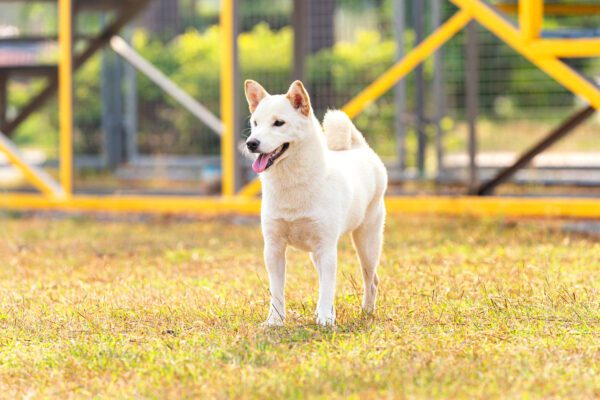
How Much Does It Cost to Adopt a Hokkaido in North Dakota?Most adopters in North Dakota can expect to pay about $300 to $650 for a Hokkaido. The range tends to be higher than average because the breed is rare, which increases demand and often involves longer transports or specialized care. Young adults and well-socialized dogs often fall near the middle of the range, while puppies or dogs with recent training and extra medical work can sit at the top of the range. Fees typically cover spaying or neutering, vaccinations, microchipping, and veterinary exams. Some groups also include heartworm testing, deworming, or a short-term supply of food. Costs rise when the dog receives advanced medical treatment, when professional training is included, or when transport is arranged by a rescue to move the dog between states. Age, training history, medical needs, and regional demand all influence the final fee. |
How Should I Train a Hokkaido?The Hokkaido is intelligent, athletic, and independent. The breed learns quickly when training is clear and consistent, yet it can shut down if pressured. Short, upbeat sessions and generous rewards keep focus strong. Use positive reinforcement to build reliable behaviors and to prevent conflict with a sensitive dog that bonds tightly with its family. Common challenges include a strong prey drive, alert barking, and selective recall. Teach a rock-solid come cue indoors before practicing on long lines outside. Add impulse control with stays, leave-it, and settle on a mat. Daily mental work such as scent games and puzzle feeding helps channel energy into productive tasks. Early and ongoing socialization improves confidence with visitors, new places, and novel surfaces. For step-by-step help, enroll in Dog Academy’s online training courses. You can follow clear lessons for foundation skills, loose-leash walking, impulse control, crate training, and enrichment that matches a northern breed’s drive and curiosity. |
|
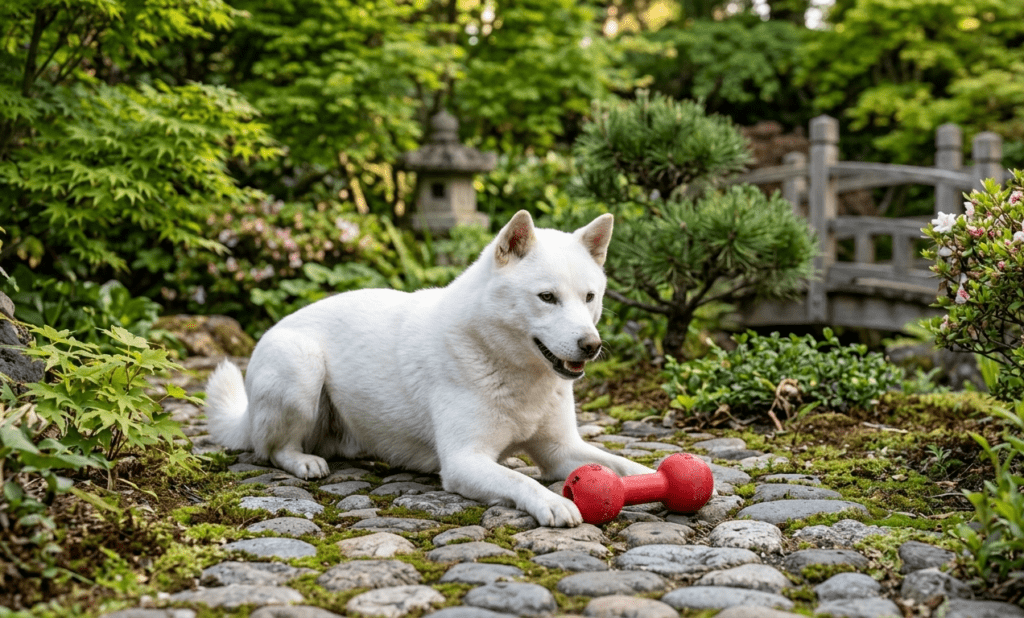
The ideal Hokkaido adopter enjoys daily activity, provides consistent training, and maintains a secure yard. A family that values routine, outdoor time, and patient socialization will bring out this breed’s loyalty and courage. Cold winters become an asset when you plan brisk walks, snow play, and indoor enrichment on the windiest days.
Take your time, ask thoughtful questions, and prepare your home before you apply. With solid research, a realistic budget, and a kind training plan, you can adopt a Hokkaido in North Dakota and welcome a steadfast partner for years to come.

Introducing a new puppy to your current dog is often an exciting process, and many dogs will become fast friends and eas...
Read More
Rescue dogs can make great companions and can transform your home into something better. These dogs make great pets and ...
Read More
You should never rush to pet a dog. Even dog owners make the mistake of approaching unfamiliar dogs and petting them rig...
Read More
Puppy mill dogs are survivors who have endured extreme hardships in their lives. They have grown up in horrendous, unsan...
Read More
With their wagging tails and comforting presence, adopting a dog can add a unique touch to your life. It’s a heart...
Read More
Older dogs may have a few gray hairs around the edges, but that doesn’t mean they can’t make wonderful companions! T...
Read More