



























































































































































































Introducing a new puppy to your current dog is often an exciting process, and many dogs will become fast friends and eas...
Read MoreAdopt Me
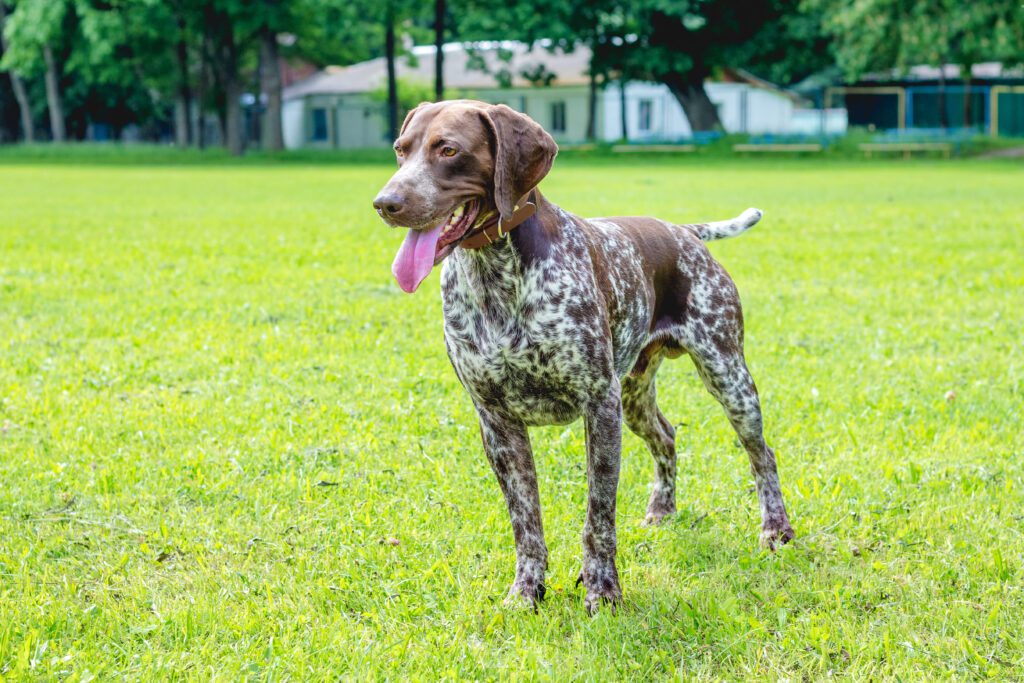


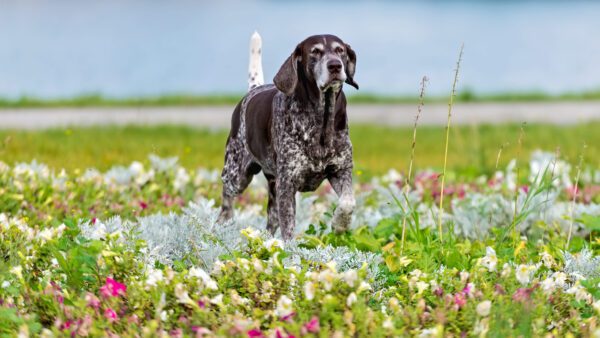
The German Shorthaired Pointer is an energetic, affectionate, and versatile sporting dog that thrives with active people. The breed is known for sharp intelligence, eager trainability, and a strong desire to work with its handler. Many families choose this breed for hiking, running, and outdoor adventures. Careful research helps you match energy levels, exercise needs, and temperament before you adopt. Adoption helps dogs in need while discouraging irresponsible breeding and it gives you access to support from experienced volunteers.
Minnesota offers a great home for this athletic breed when you plan for weather and terrain. Lakes, forests, and multi-use trails provide space for daily exercise and mental stimulation. Winters are very cold, which means short-coated dogs need limited exposure, warm layers, and paw protection on icy roads. Summers bring ticks and mosquitoes near wooded areas, so prevention and routine checks are important. A German Shorthaired Pointer in Minnesota does best with an active lifestyle, consistent training, and a secure yard for free play.
You can skip searching shelters and rescues one by one by browsing centralized listings through Dog Academy. You can also use Dog Academy to access educational guides and adoption checklists that keep you organized from application to homecoming. Beyond centralized listings, you can explore local animal shelters, regional rescues, and breed-specific rescue groups that serve Minnesota. Many listings include age, size, temperament notes, and medical history so you can focus on the best fit.
The process usually starts with browsing available dogs, then submitting an application that covers your home setup, experience, and lifestyle. Organizations often ask for references and landlord approval when you rent. After an initial review, most groups schedule a meet-and-greet to confirm compatibility with every family member. A home check may follow to verify safety measures such as fencing, secure trash, and safe storage of household chemicals. Approval timelines vary from a few days to a few weeks based on volunteer availability and the number of applicants.
Understanding breed needs will help your application stand out. A German Shorthaired Pointer requires daily aerobic exercise, structured training, and enrichment through scent games or retrieving. Explain your plan for winter exercise, such as indoor play, treadmill sessions, or frequent short outdoor outings. Share how you will manage the breed’s prey drive with a secure yard, long-line practice, and reliable recall. Clear, realistic plans show that you can meet the dog’s needs year-round in Minnesota.
Availability can shift quickly, and patience pays off. If the right dog is outside your immediate area, ask about transport options. Transport is often arranged by rescues to move dogs between locations, and it may use volunteer drivers or professional pet transport services with health certificates and scheduled rest stops. Stay responsive after you apply, since coordinators may need quick confirmations to hold meet-and-greets or finalize adoption steps.
|
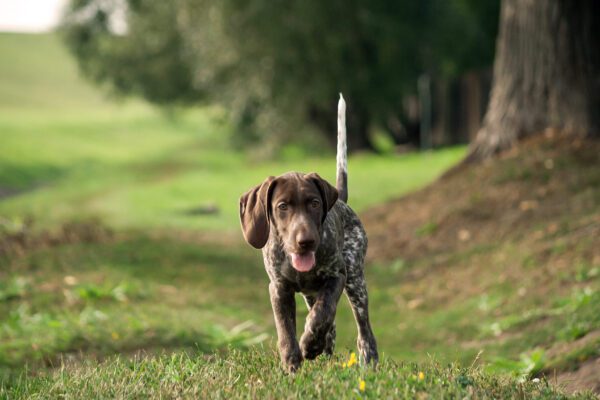
How Much Does It Cost to Adopt a German Shorthaired Pointer in Minnesota?Most adopters in Minnesota can expect adoption fees to fall between $250 and $500 for adults, with puppies often ranging from $350 to $650. Fees vary by age, training history, medical care provided, and local demand for the breed. Dogs who arrive already house trained or crate trained and with recent veterinary care may be at the higher end of the range. Senior dogs are often at the lower end due to reduced demand and potential age-related care. Adoption fees usually include spaying or neutering, vaccinations, microchipping, and veterinary exams. Some groups also provide heartworm testing, deworming, or dental cleanings, which can influence final pricing. Ask for an itemized description of what is covered so you can plan your first-year budget with accuracy. |
How Should I Train a German Shorthaired Pointer?The German Shorthaired Pointer is highly intelligent, people oriented, and eager to learn. Positive reinforcement builds fast progress and strong engagement. Short, upbeat sessions work best for impulse control, loose-leash walking, and polite greetings. Many dogs in this breed have a strong prey drive, so recall training on a long line and consistent reinforcement around distractions are essential. Daily mental work through scent games, retrieves, and puzzle feeders helps prevent boredom and unwanted behaviors. Consistency matters with this athletic and sensitive breed. Reward calm behavior, reinforce check-ins on walks, and practice stationing on a mat during busy times at home. Introduce winter gear early to keep sessions positive in cold weather. If you want a step-by-step plan, explore Dog Academy’s online training courses, which offer structured lessons for recall, leash skills, crate comfort, and enrichment tailored to high-energy dogs. |
|
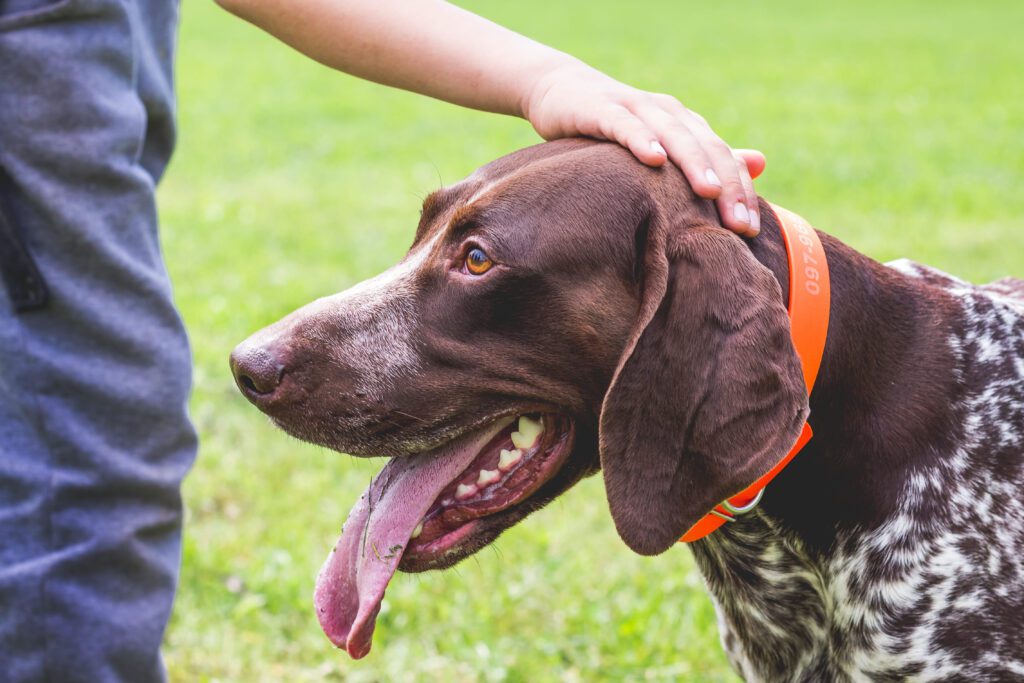
The ideal adopter enjoys daily activity, values structure, and wants a close companion who loves to join every adventure. A secure yard, a reliable exercise plan, and time for training will help your dog succeed in Minnesota’s changing seasons. Preparation sets you up for a smooth transition and a confident start.
Take your time, ask thoughtful questions, and review each listing with your lifestyle in mind. When you are ready to adopt a German Shorthaired Pointer in Minnesota, use Dog Academy to find current listings and helpful checklists that guide you from first look to homecoming.

Introducing a new puppy to your current dog is often an exciting process, and many dogs will become fast friends and eas...
Read More
Rescue dogs can make great companions and can transform your home into something better. These dogs make great pets and ...
Read More
You should never rush to pet a dog. Even dog owners make the mistake of approaching unfamiliar dogs and petting them rig...
Read More
Puppy mill dogs are survivors who have endured extreme hardships in their lives. They have grown up in horrendous, unsan...
Read More
With their wagging tails and comforting presence, adopting a dog can add a unique touch to your life. It’s a heart...
Read More
Older dogs may have a few gray hairs around the edges, but that doesn’t mean they can’t make wonderful companions! T...
Read More