


























































































































































































Introducing a new puppy to your current dog is often an exciting process, and many dogs will become fast friends and eas...
Read MoreAdopt Me
Stormy Skye - Located in OK
Imlay City, MI
Breed: Dutch Shepherd
Sex: Female
Age: 2 yrs 11 mos
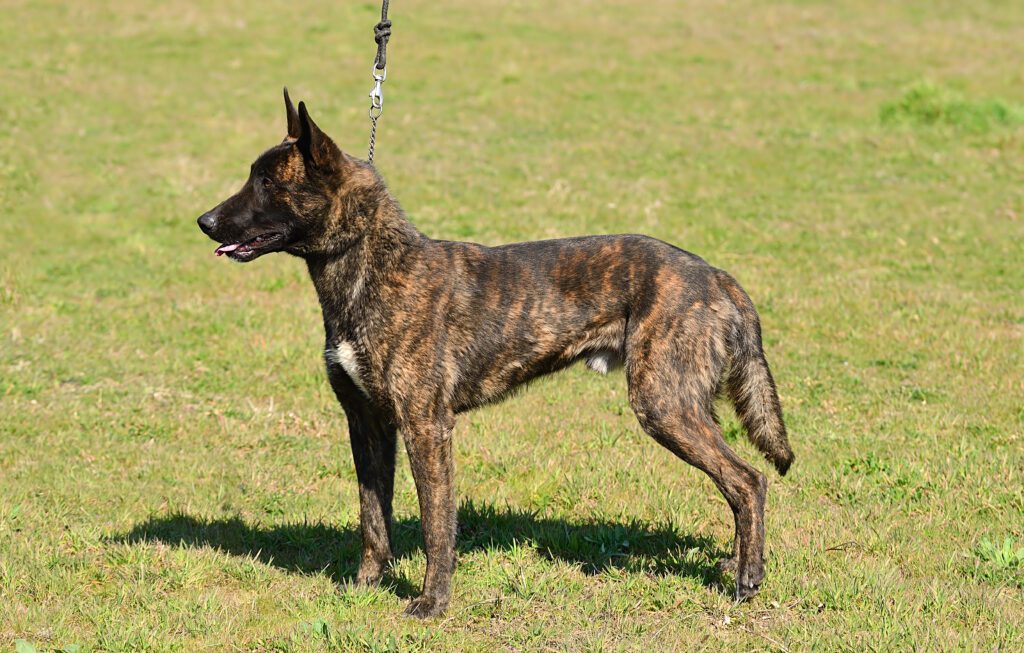
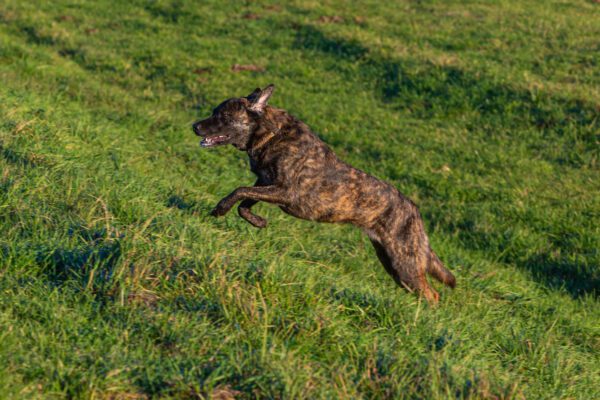
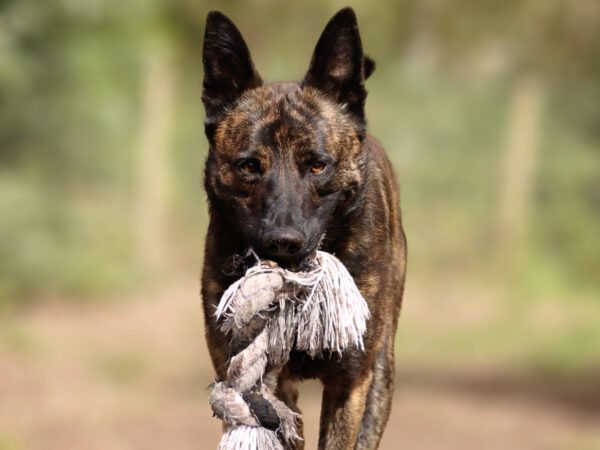
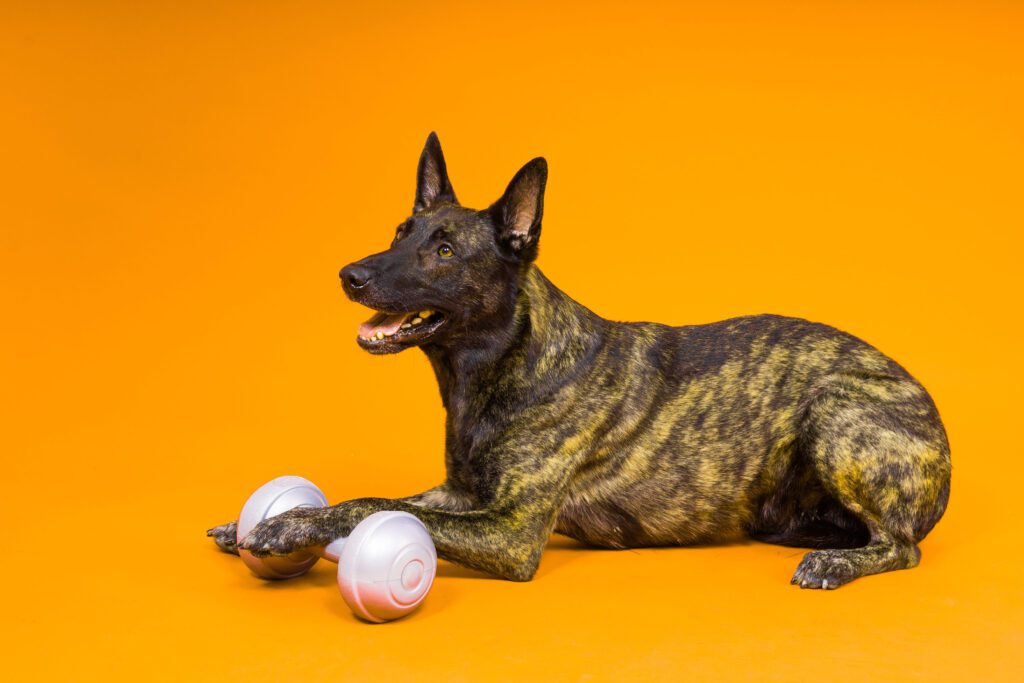
The Dutch Shepherd is an athletic, intelligent, and loyal working breed that bonds closely with an engaged owner. This versatile dog excels in obedience, agility, tracking, and active family life. A Dutch Shepherd thrives when given a job to do, frequent mental challenges, and consistent structure each day.
Thoughtful research before adoption helps you match energy, temperament, and lifestyle. A Dutch Shepherd needs daily exercise that challenges both body and mind. Under-stimulation can lead to destructive chewing, vocalization, or escape attempts. Adoption often offers a healthier path than buying because you give a deserving dog a second chance, you receive support from knowledgeable volunteers, and you usually benefit from dogs that already have basic vetting and behavioral assessments.
Michigan offers four true seasons that shape daily routines with this breed. The Dutch Shepherd’s weather-resistant coat handles cold well, but winter outings still require paw protection and shortened sessions when wind chills drop. Humid summers call for shade, water breaks, and training during cooler hours. Michigan’s forests, lakeshores, and mixed urban corridors create great opportunities for hikes, runs, and scent games. Apartment living can work when you commit to structured exercise, thoughtful enrichment, and considerate noise management for neighbors.
You can skip searching shelters and rescues separately by browsing Dog Academy adoption listings in one place. Dog Academy also provides educational guides and practical adoption checklists that help you plan every step with clarity and confidence.
Strong candidates often appear through local animal shelters, regional rescues, and breed-specific rescue groups that focus on herding and working dogs. Many organizations use foster homes that evaluate temperament, energy level, dog-to-dog compatibility, and training history. Review each listing carefully, compare needs with your lifestyle, and note any training or medical notes that may affect your routine.
The process usually starts by browsing listings, submitting an application, and providing references and housing information. Teams often schedule a phone interview to discuss experience, training plans, and schedules. Meet-and-greets follow for all household members and resident pets, often in a neutral location to reduce stress. Home checks may be virtual or in person to confirm safety, secure fencing or a reliable management plan, and a realistic exercise routine. Approval timelines vary by organization size and volunteer availability, but many adoptions in Michigan move from application to pickup within 1 to 3 weeks.
Some rescues arrange transport to move dogs between locations when a strong match appears. Transport is often arranged by rescues to move dogs between states or regions using volunteer drivers or licensed carriers. The adopter may pay a modest transport surcharge, and pick-up often occurs at a designated meeting point. Dogs usually travel with a health certificate and basic supplies to support a smooth handoff.
|
How Much Does It Cost to Adopt a Dutch Shepherd in Michigan?Most adopters in Michigan can expect to pay about $250 to $450 for adult Dutch Shepherds and about $350 to $600 for puppies. Fees trend higher for puppies and for dogs that arrive with formal training or recent medical care. Pricing reflects veterinary expenses in Michigan, demand for active working breeds, and the resources required to evaluate and prepare each dog for a safe placement. Adoption fees commonly include spaying or neutering, vaccinations, microchipping, and veterinary exams. Many dogs also receive heartworm testing, preventives, and deworming, and some programs invest in starter training or supplies. Final cost depends on age, training level, medical care provided, and regional demand. |
How Should I Train a Dutch Shepherd?The Dutch Shepherd is highly intelligent and eager to learn, which makes training efficient when you use clear structure and positive reinforcement. Reward-based methods build confidence and reliability without creating stress. Short, focused sessions keep a sharp mind engaged and help you progress quickly without frustration. Prioritize impulse control, loose-leash walking, recall, crate training, and calm settling skills. Daily mental enrichment matters as much as physical exercise. Add scent work, puzzle games, fetch with rules, and safe tug to provide a constructive outlet for drive. Many Dutch Shepherds enjoy sports such as agility or nose work, which channel energy and improve focus. Early and ongoing socialization across Michigan environments, including quiet trails and busier sidewalks, helps create a stable and polite companion. For step-by-step guidance, enroll in Dog Academy’s online training courses. Courses cover obedience foundations, leash manners, recall, reactivity management, and enrichment planning for high-drive breeds. Clear lessons, practice plans, and expert tips help you build reliable behavior that lasts. |
|
The ideal Michigan adopter enjoys daily outdoor time in all seasons, values consistent training, and embraces mental enrichment as part of everyday life. A secure yard or a disciplined exercise routine supports healthy outlets for energy. A calm home rhythm and clear expectations help a Dutch Shepherd relax between activities.
Preparation leads to success. Set a budget for the adoption fee, quality food, vet care, and training support. Gather supplies before pickup, choose a veterinarian, and map out the first 2 weeks with a simple schedule. Take your time, ask detailed questions, and meet more than one dog if needed. With patient research and the right resources, you can adopt a Dutch Shepherd in Michigan and welcome a loyal, hard-working companion into your home.

Introducing a new puppy to your current dog is often an exciting process, and many dogs will become fast friends and eas...
Read More
Rescue dogs can make great companions and can transform your home into something better. These dogs make great pets and ...
Read More
You should never rush to pet a dog. Even dog owners make the mistake of approaching unfamiliar dogs and petting them rig...
Read More
Puppy mill dogs are survivors who have endured extreme hardships in their lives. They have grown up in horrendous, unsan...
Read More
With their wagging tails and comforting presence, adopting a dog can add a unique touch to your life. It’s a heart...
Read More
Older dogs may have a few gray hairs around the edges, but that doesn’t mean they can’t make wonderful companions! T...
Read More