



























































































































































































Introducing a new puppy to your current dog is often an exciting process, and many dogs will become fast friends and eas...
Read MoreAdopt Me

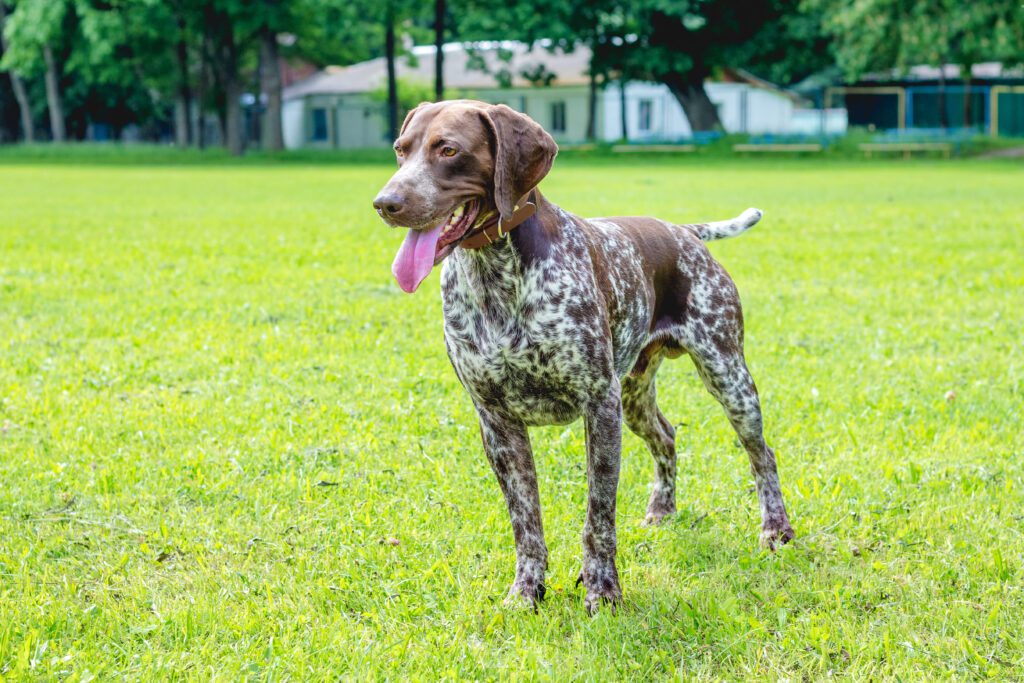


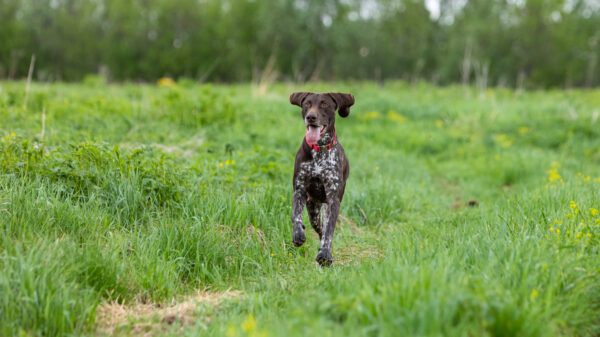
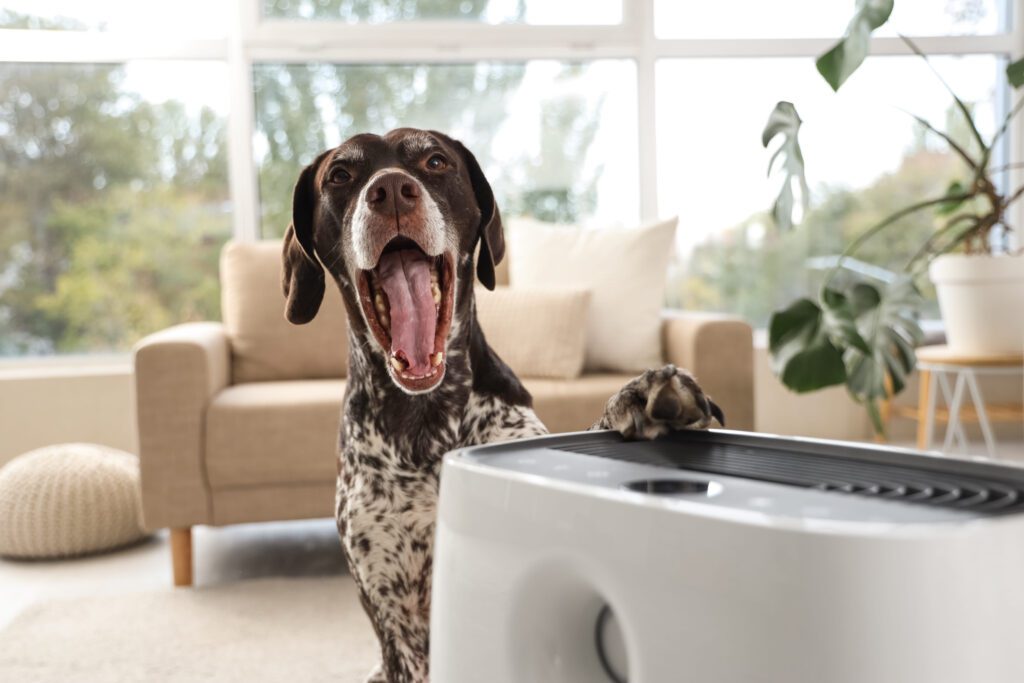
The German Shorthaired Pointer is a bright, athletic, and affectionate dog that thrives on daily activity and close family time. This versatile sporting breed loves to run, learn, and then curl up for a nap with its people. The breed’s appeal comes from its eagerness to please, quick mind, and balanced temperament when its exercise and training needs are met.
Research is essential before you adopt a German Shorthaired Pointer in Michigan. The breed has high stamina, a strong prey drive, and a big appetite for adventure. Michigan offers forests, lakes, and trails that give this dog room to move, though the short coat needs help in winter. Snow, wind, and road salt can be tough, so plan for a warm coat, paw protection, and shorter outdoor sessions on the coldest days. Summer can be humid, so you must provide shade, fresh water, and rest breaks during long outings.
Adoption gives a dog a second chance and gives you support from knowledgeable staff and fosters who understand breed needs. Fees often include essential veterinary care, which reduces surprise costs in the first months. Michigan’s active lifestyle and abundant public spaces can suit this breed well when owners commit to consistent exercise, thoughtful training, and safe off-leash choices.
You can avoid searching rescues and shelters separately by browsing Dog Academy adoption listings, which gather available dogs in one place for easier comparison. Dog Academy also provides educational guides and adoption checklists that help you prepare your home, plan a budget, and map out a training routine before your new dog arrives.
Start by reviewing adoptable dogs through local animal shelters, regional rescues, and breed-specific rescue groups across Michigan. Many German Shorthaired Pointers enter rescue as owner surrenders, strays, or retired hunting dogs that need a different pace. Foster networks often evaluate each dog’s energy level, sociability with other pets, and comfort with children, which helps you choose a good match.
The process usually begins with browsing listings and submitting an application that explains your household, schedule, experience, and veterinary history. Organizations often verify references and landlord approval when required. Next come interviews and a home check, which can be virtual or in person to confirm safety, fencing, and secure storage for food and chemicals. A meet-and-greet follows, where you introduce family members and resident pets in a neutral space or foster home. Timelines vary, but straightforward adoptions often take 1 to 3 weeks, while puppies or dogs with medical needs can take longer.
If your match lives far away, rescues sometimes arrange transport to move dogs between locations once an adoption is approved. Transport is often coordinated by volunteers who drive scheduled legs or by trusted carriers that move animals on set routes. Adopters may pay a modest transport fee that covers fuel or logistics, and pickup usually happens at a designated handoff point.
|
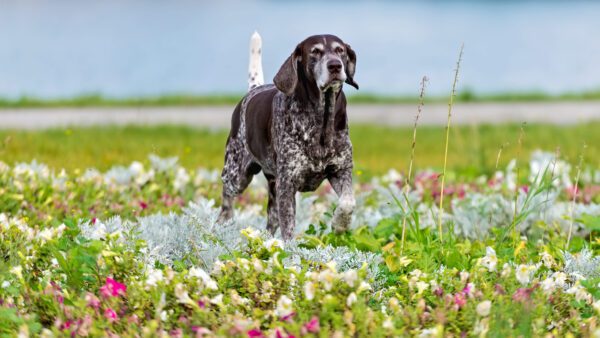
How Much Does It Cost to Adopt a German Shorthaired Pointer in Michigan?In Michigan, most adopters pay $250 to $450 for an adult German Shorthaired Pointer through shelters or breed-focused rescues. Puppies often cost $350 to $550 due to preventive care and strong demand, while seniors typically range from $100 to $250 to encourage placement. Fees rise when recent medical work, advanced training, or specialized care has been provided. Adoption fees usually include spaying or neutering, vaccinations, microchipping, and veterinary exams. Costs can also reflect heartworm testing and treatment when needed, parasite prevention, dental care, behavior assessment, and post-adoption support. Demand can affect pricing, especially in fall when hunting seasons increase interest, and location within Michigan can influence costs due to varying veterinary expenses. |
How Should I Train a German Shorthaired Pointer?German Shorthaired Pointers are intelligent, eager learners that respond best to positive reinforcement and clear structure. Short, upbeat sessions build reliable behaviors, while daily aerobic exercise keeps energy in a healthy range. Focus on impulse control, loose leash walking, polite greetings, and a rock-solid recall. A long line, high-value rewards, and scent-based games help redirect the breed’s natural drive toward productive work. Common challenges include chasing wildlife, pulling on leash, and difficulty settling after exciting activities. Build a strong recall with gradual distractions, teach a place cue for calm downtime, and practice crate time as a restful routine. Provide 60 to 90 minutes of physical activity each day split into focused sessions, then add mental work through nosework, fetch with cues, and puzzle feeding. For step-by-step guidance tailored to high-drive dogs, explore Dog Academy’s online training courses, which cover foundations, recall, loose leash walking, and enrichment plans. |
|
The ideal adopter enjoys outdoor time year-round, values consistent training, and has a plan for exercise in all weather. A secure yard, a flexible schedule for midday breaks, and a commitment to positive methods help this breed thrive. Families with active routines, runners, hikers, and hunters who use thoughtful management often do especially well.
Prepare your home, set a training routine, and review medical and budget needs before you bring a dog home. Take your time, ask clear questions, and choose the individual dog whose energy, temperament, and needs match your lifestyle. With preparation and patience, you can adopt a German Shorthaired Pointer in Michigan and build a rewarding partnership for years to come.

Introducing a new puppy to your current dog is often an exciting process, and many dogs will become fast friends and eas...
Read More
Rescue dogs can make great companions and can transform your home into something better. These dogs make great pets and ...
Read More
You should never rush to pet a dog. Even dog owners make the mistake of approaching unfamiliar dogs and petting them rig...
Read More
Puppy mill dogs are survivors who have endured extreme hardships in their lives. They have grown up in horrendous, unsan...
Read More
With their wagging tails and comforting presence, adopting a dog can add a unique touch to your life. It’s a heart...
Read More
Older dogs may have a few gray hairs around the edges, but that doesn’t mean they can’t make wonderful companions! T...
Read More