




























































































































































































Introducing a new puppy to your current dog is often an exciting process, and many dogs will become fast friends and eas...
Read MoreAdopt Me



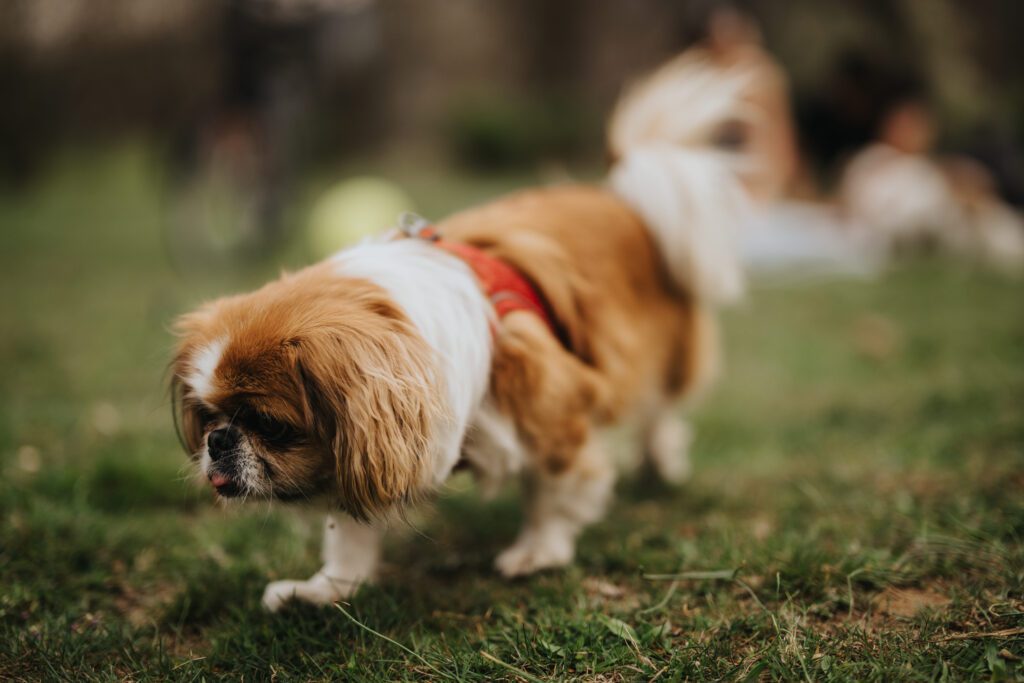
The Japanese Chin is a charming companion dog with a gentle spirit, a lively mind, and a soft, silky coat. This toy breed loves close contact with people and thrives on calm routines and affectionate attention. Many families choose this breed for apartment living and for a quieter lifestyle that values companionship over intense outdoor activity.
It is important to research the breed before you adopt a Japanese Chin in Michigan because preparation prevents mismatches and stress. Adoption gives a dog a second chance, supports animal welfare, and often provides transparent medical and behavioral histories at a fair price. A thoughtful approach also ensures that this sensitive breed joins a home that understands small-dog needs and brachycephalic care.
Michigan’s cold winters and humid summers can challenge a tiny dog, so an adopter should plan for weather-smart routines. A Japanese Chin does best with short winter outings, warm layers, and plenty of indoor enrichment, while summer care should include shade, water, and limited midday activity. Michigan’s mix of urban neighborhoods, suburbs, and lake communities suits this breed when owners prioritize indoor time, safe leash walks, and careful supervision on icy or slick paths.
You can avoid searching local animal shelters, regional rescues, and breed-specific rescue groups one by one by starting with Dog Academy. The adoption listings make it easy to browse available Japanese Chins near you and to learn about each dog’s age, temperament, and medical history in one place. Dog Academy also offers helpful educational guides and adoption checklists so you can prepare your home, supplies, and schedule with confidence.
The process usually begins with browsing listings, submitting an application, and sharing details about your home, schedule, experience, and other pets. Many groups verify landlord approval, conduct reference checks, and request a virtual or in-home visit to ensure safety and suitability. Timelines vary by organization and by dog, but approval commonly takes 1 to 3 weeks from application to adoption once all steps are complete.
Most organizations arrange a meet-and-greet at a shelter or foster home so you can observe behavior and discuss medical records. Bring household members to confirm compatibility with adults, children, and resident pets, and ask about daily routines, energy levels, and noise sensitivity. A calm, thorough visit helps ensure that Japanese Chin adoption in Michigan leads to a strong match for both the dog and the family.
Transport is sometimes available when a dog is located far from your city, and rescues may arrange transport between locations to move dogs safely. Transport can involve volunteer drivers who relay dogs across segments or licensed carriers who complete longer routes, and adopters are told the cost and schedule in advance. Final approval normally occurs before travel, and adopters receive instructions for pickup, paperwork, and settling their new dog at home.

|
How Much Does It Cost to Adopt a Japanese Chin in Michigan?In Michigan, adopting a Japanese Chin typically costs $250 to $500, with puppies and young adults at the higher end and seniors at the lower end. Fees reflect the dog’s age, training, medical history, and regional demand, and they usually include spaying or neutering, vaccinations, microchipping, and veterinary exams. Medical follow-ups for dental care or eye health can raise fees when provided before adoption, while dogs needing ongoing treatment may have discounted fees paired with medical counseling. Plan for initial supplies such as a crate, bed, harness, leash, bowls, and food, which usually total $150 to $300 depending on quality and quantity. Grooming for a Japanese Chin often runs $40 to $80 per session based on coat condition and add-on services, and many Michigan municipalities charge $10 to $25 per year for dog licenses. A small emergency fund or pet insurance policy can also protect against unexpected veterinary needs. |
How Should I Train a Japanese Chin?The Japanese Chin is bright, sensitive, and eager to please, which makes training rewarding when sessions stay short, upbeat, and consistent. Positive reinforcement with food rewards and praise builds trust and motivation while preventing fear-based behaviors. House training improves with a steady schedule, frequent outdoor breaks, and patient crate training that teaches relaxation and routine. Common challenges include alert barking, separation stress, and distractibility on walks, which respond well to calm leadership and structured practice. Teach quiet on cue, reinforce relaxed alone time, and use gentle leash techniques that reward attention and loose-leash movement. For step-by-step guidance at home, explore Dog Academy’s online training courses, which cover foundation skills, manners, socialization, and enrichment tailored to small companion breeds. Grooming cooperation also matters for this breed because regular eye care, facial cleaning, and brushing keep the coat and skin healthy. Introduce handling slowly, pair each touch with rewards, and practice calm stand-stays for nail trims and ear checks. Winter months call for extra indoor enrichment, so rotate puzzle feeders, scent games, and short training sessions to meet needs without long outdoor walks. |
|
The ideal adopter enjoys a quieter lifestyle, provides gentle structure, and prioritizes companionship over strenuous outings. A Japanese Chin fits best with owners who are home often, who supervise interactions with children, and who can manage grooming and weather care with patience.
Preparation sets the stage for success, so create a budget, gather supplies, and plan training before you bring your dog home. Take your time, ask detailed questions, and adopt a Japanese Chin in Michigan when the right match appears so you can welcome a healthy, happy companion for years to come.

Introducing a new puppy to your current dog is often an exciting process, and many dogs will become fast friends and eas...
Read More
Rescue dogs can make great companions and can transform your home into something better. These dogs make great pets and ...
Read More
You should never rush to pet a dog. Even dog owners make the mistake of approaching unfamiliar dogs and petting them rig...
Read More
Puppy mill dogs are survivors who have endured extreme hardships in their lives. They have grown up in horrendous, unsan...
Read More
With their wagging tails and comforting presence, adopting a dog can add a unique touch to your life. It’s a heart...
Read More
Older dogs may have a few gray hairs around the edges, but that doesn’t mean they can’t make wonderful companions! T...
Read More