




























































































































































































Introducing a new puppy to your current dog is often an exciting process, and many dogs will become fast friends and eas...
Read MoreAdopt Me

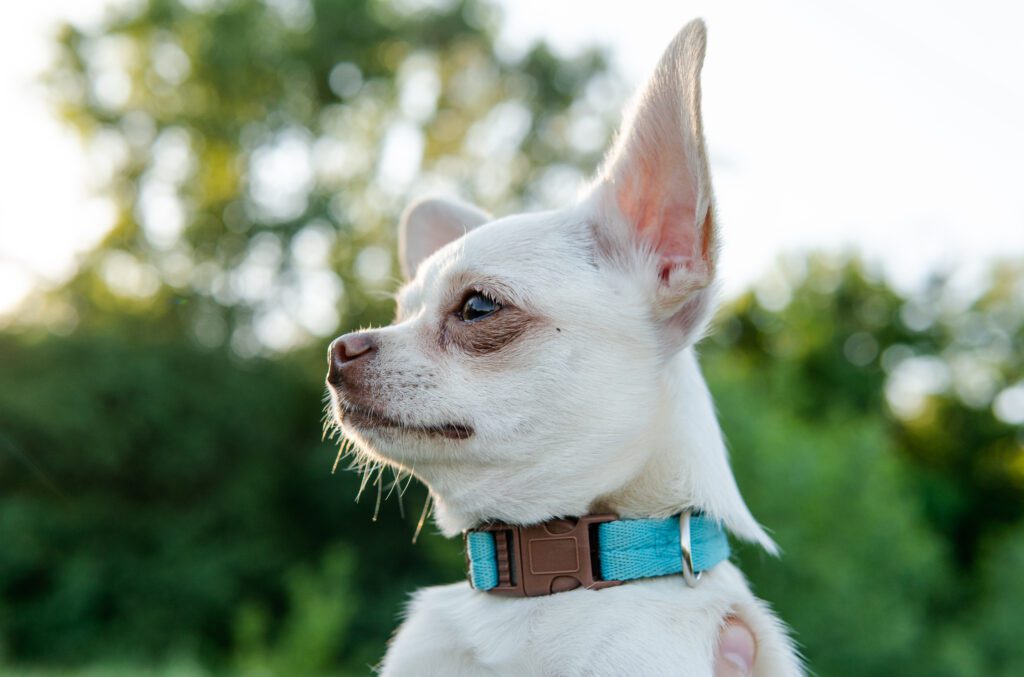


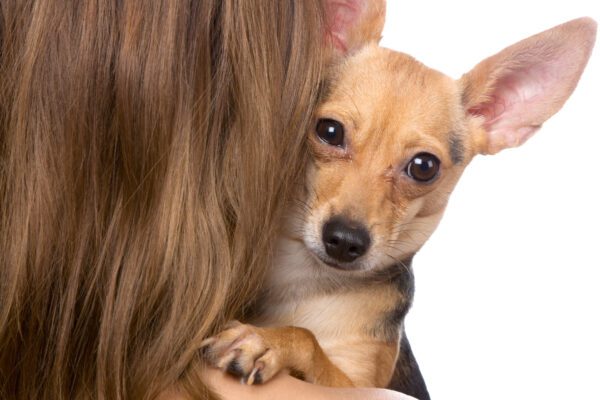
A Deer Head Chihuahua is a tiny companion with a big heart. This breed tends to be alert, affectionate, and loyal, with a slightly longer muzzle and leggier build than other Chihuahua types. Many enjoy curling up with their people as much as they enjoy short, energetic bursts of play. Because the breed is small and sensitive, thoughtful research before adoption helps ensure the right match for both you and the dog.
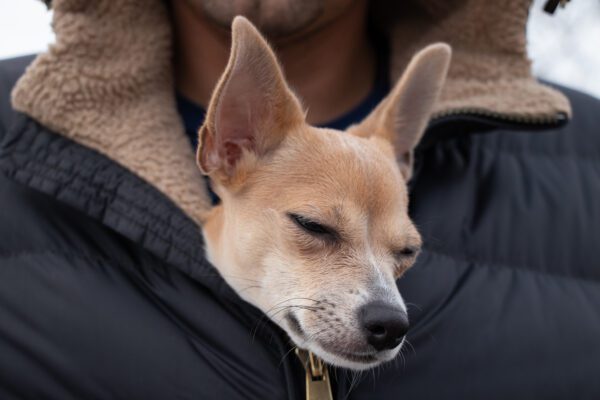
Adoption lets you give a dog a second chance while supporting responsible animal welfare practices. It is also a smart way to find a dog whose temperament and health history are known. Michigan offers a strong pet community across cities, suburbs, and rural towns. The state’s cold winters and lake effect snow mean a Deer Head Chihuahua needs warm indoor housing, a snug sweater during walks, and limited time outside in freezing wind. Summers can feel humid near the lakes, so you should choose shaded routes and provide water on every outing. The breed thrives in apartments and houses alike when daily needs for companionship, gentle exercise, and mental enrichment are met.
You can avoid searching rescues and shelters separately by using Dog Academy to browse adoptable Deer Head Chihuahuas across Michigan. You can filter by age, size, and location, then use Dog Academy’s educational guides and adoption checklists to prepare your home and plan your first week with your new dog. Local animal shelters, regional rescues, and breed-specific rescue groups also list Deer Head Chihuahua puppies and adults when they become available.
Start by browsing current listings and reading each profile closely. Look for notes on temperament, activity level, and any medical or behavioral needs. When a dog seems like a match, submit an application that typically asks about your home setup, your schedule, your experience with small breeds, and whether you have landlord approval if you rent. Many organizations request personal references and veterinary references to confirm that you can provide consistent care.
After an application review, most groups schedule a meet-and-greet. This meeting lets you observe how the dog interacts with you, your family, and any resident pets. A home check may follow. A home check confirms that your space is safe for a small dog, that you have a secure door and yard access if you plan outdoor time, and that you can provide warm bedding away from drafts during winter. Some organizations conduct home checks virtually with video calls when in-person scheduling is difficult.
Approval timelines vary. A straightforward adoption can move from application to pickup within 1 to 3 weeks. Timelines often depend on how quickly references respond, how soon a meet-and-greet can be scheduled, and whether a home check is required. If the best match is outside your immediate area, rescues sometimes arrange transport between locations to move dogs to approved adopters. Transport is usually coordinated by volunteers or professional carriers, and the group will explain the schedule, health requirements, and any added fees before you commit.
|
How Much Does It Cost to Adopt a Deer Head Chihuahua in Michigan?In Michigan, you can expect to pay about $200 to $450 for an adult Deer Head Chihuahua and about $300 to $600 for a puppy. Senior dogs often fall near the lower end of the adult range, while highly in-demand puppies often land near the top of the puppy range. Fees reflect age, medical care already provided, demand for the breed, and prior training or time in foster care. Many organizations include spaying or neutering, vaccinations, microchipping, and veterinary exams in the adoption fee. Costs may be higher if the dog required dental work, treatment for luxating patellas, or specialized medications before adoption. Location within Michigan can influence fees as well. Urban areas with higher operating costs may list slightly higher prices, while rural groups may list slightly lower prices. Transparent listings usually outline what the fee covers, which helps you compare options with confidence. |
How Should I Train a Deer Head Chihuahua?A Deer Head Chihuahua is bright and eager to engage when training feels fun and consistent. Positive reinforcement works best. Reward calm behavior, use tiny treats, and keep sessions short to match a small attention span. Early socialization builds confidence and reduces reactivity in new places. Many dogs in this breed have a protective streak, so reward quiet behavior and teach a reliable focus cue to manage barking. House training can be challenging in cold or stormy Michigan weather. Set a predictable schedule, use a crate to build routine, and create a sheltered potty area near the door. Some owners teach an indoor potty spot on a tray or turf when blizzards make outdoor trips unsafe, then continue reinforcing outdoor potty breaks during milder weather. Use a harness rather than a collar for leash work to protect the trachea, and practice gentle handling around paws, ears, and mouth to support grooming and dental care. If you want step-by-step guidance, explore Dog Academy’s online training courses. Courses cover basics like manners, house training, and polite leash walking, along with enrichment ideas that help a small dog burn mental energy indoors. Clear lessons and structured practice help you build skills at home and maintain progress after adoption. |
|
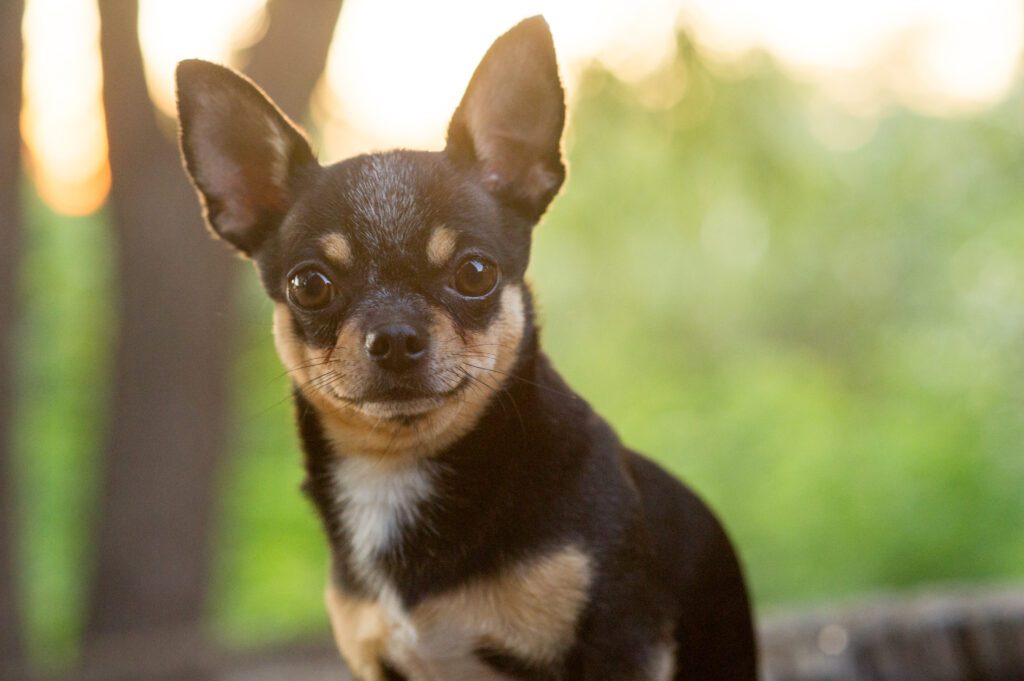
The ideal adopter enjoys close companionship, plans daily short walks, and values indoor enrichment on days when Michigan weather is harsh. Families with older children, first-time owners who follow a routine, remote workers, and retirees often do well with this breed. Preparation matters. Gather supplies, set up a warm resting area, and line up a veterinarian before you bring your dog home.
Take your time, ask detailed questions, and trust the process. When you adopt a Deer Head Chihuahua in Michigan with thoughtful planning, you give a resilient little dog the stability and love that leads to a happy, healthy life together.

Introducing a new puppy to your current dog is often an exciting process, and many dogs will become fast friends and eas...
Read More
Rescue dogs can make great companions and can transform your home into something better. These dogs make great pets and ...
Read More
You should never rush to pet a dog. Even dog owners make the mistake of approaching unfamiliar dogs and petting them rig...
Read More
Puppy mill dogs are survivors who have endured extreme hardships in their lives. They have grown up in horrendous, unsan...
Read More
With their wagging tails and comforting presence, adopting a dog can add a unique touch to your life. It’s a heart...
Read More
Older dogs may have a few gray hairs around the edges, but that doesn’t mean they can’t make wonderful companions! T...
Read More