



























































































































































































Introducing a new puppy to your current dog is often an exciting process, and many dogs will become fast friends and eas...
Read MoreAdopt Me

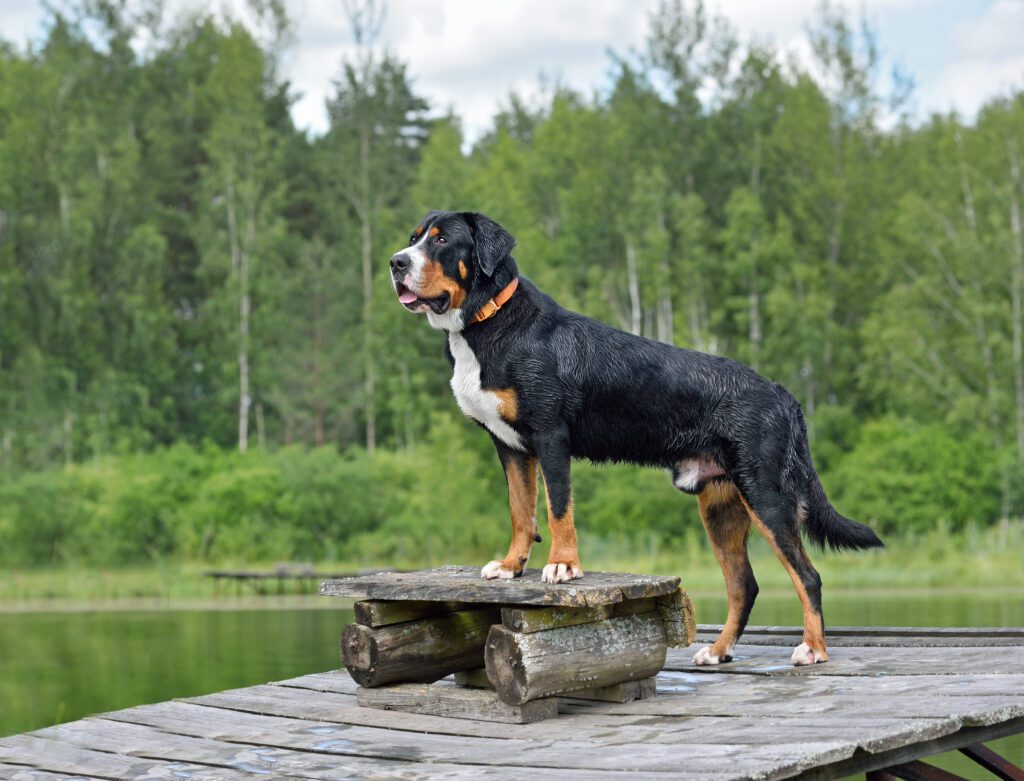


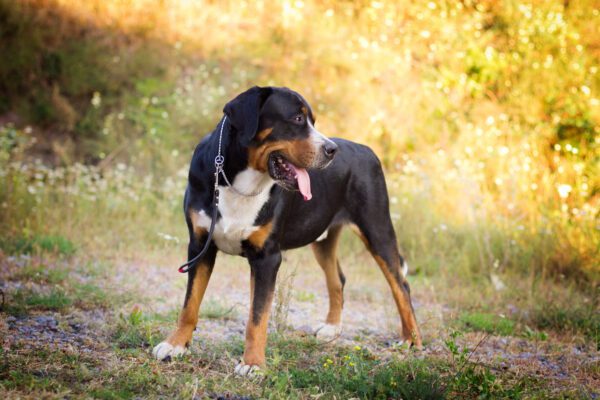
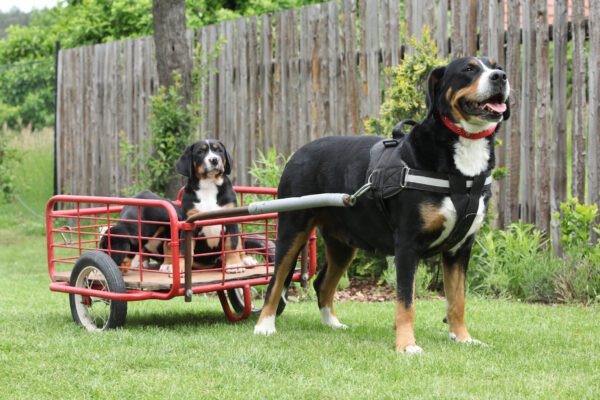
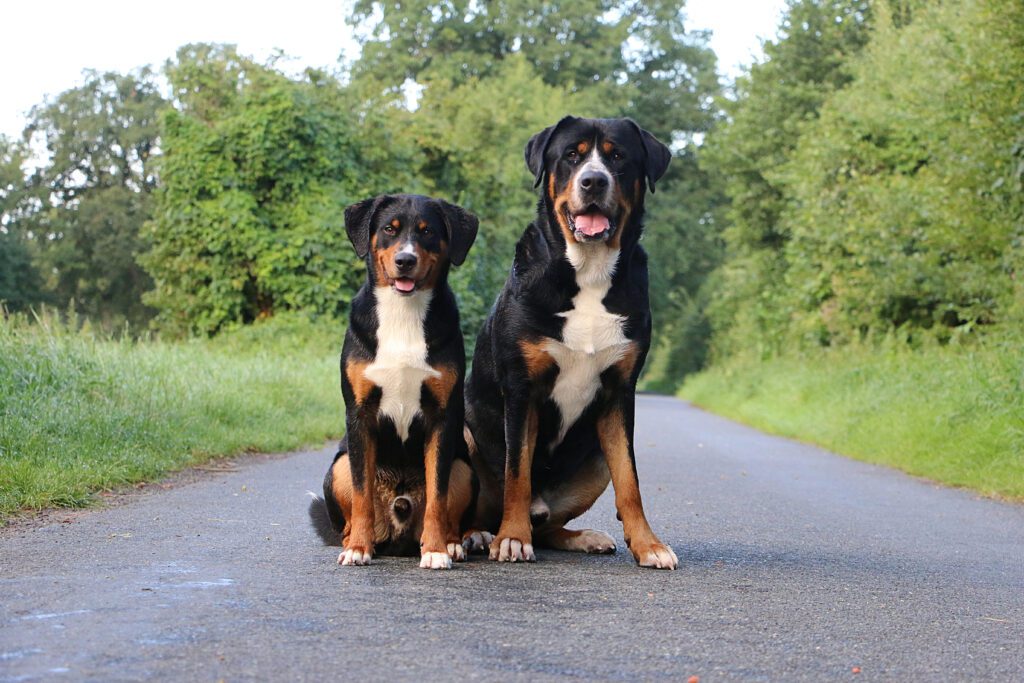
The Greater Swiss Mountain Dog is a confident, steady, and affectionate working breed. This large dog is loyal to family, gentle with respectful children, and reliably watchful without being reactive when well trained. Many people love the breed for its calm nature in the home and its willingness to join outdoor adventures.
Thoughtful research matters before you adopt. The breed matures slowly, carries substantial strength, and needs consistent guidance. Adoption is often the better path because it gives a dog a second chance, supports lifesaving work, and usually includes essential veterinary care and behavior evaluation at a lower cost than buying.
Michigan offers a strong fit for this cold-loving breed. The dense double coat handles snowy winters and windy lakeshore days well. Summer humidity in the Lower Peninsula can challenge heat tolerance, so shade, fresh water, and rest breaks are essential. The state’s mix of suburban neighborhoods, city trails, and rural land can work well when you provide daily walks, structured exercise, and a secure yard with sturdy fencing.
You can skip searching rescues and shelters one by one by using adoption listings hosted by Dog Academy. These listings gather available dogs from local animal shelters, regional rescues, and breed-specific rescue groups in one place. Dog Academy also offers clear educational guides and practical adoption checklists that help you prepare your home and your schedule.
Begin by browsing current listings and reading each bio closely. Confirm that the dog’s temperament, energy level, and size match your home, your routine, and your experience with large breeds. Submit a detailed application that explains your lifestyle, training plan, and veterinary arrangements. Most groups ask for references and landlord approval when you rent. Many applications receive an initial review within 3 to 7 days, and some take 1 to 2 weeks during busy periods.
If your application moves forward, you will schedule a meet-and-greet at a shelter or a foster home. Bring all household members and any resident dog if the group allows it, because true compatibility starts with careful introductions. Ask about training history, medical records, and daily habits. Many groups complete a home check, which can be virtual or in person, to confirm safe fencing, secure storage of medications, and space for a crate and feeding area. After approval, you will sign an adoption contract, pay the fee, and set a pickup time or transport plan.
Transport can be arranged by rescues to move dogs between locations when distance is a barrier. These trips may use volunteer drivers or professional carriers to move a dog safely from a shelter or a foster home to an approved adopter. Standard health certificates and vaccinations are required for travel, and a modest transport surcharge can apply. Transport can add several days to the timeline while routes are coordinated.
|
How Much Does It Cost to Adopt a Greater Swiss Mountain Dog in Michigan?In Michigan, most Greater Swiss Mountain Dog adoptions cost $350 to $650. Fees sit near the top of that range for puppies and for dogs that arrive with recent training or specialized medical care. Costs vary based on age, demand for the breed, and the level of care already provided. Adoption packages typically include spaying or neutering, vaccinations, microchipping, and veterinary exams. Additional services such as heartworm testing, dental care, orthopedic screening, or post-surgical recovery can raise the fee, and transport costs can also influence the total. |
How Should I Train a Greater Swiss Mountain Dog?The Greater Swiss Mountain Dog is intelligent, sensitive, and eager to work with a trusted handler. The breed learns quickly when training feels calm, consistent, and clear. Use positive reinforcement with food, toys, and praise to build strong habits and confident problem solving. Harsh corrections can shut down a Swissy and cause confusion, while rewards keep attention and momentum high. Focus on foundation skills that manage strength and size. Teach loose-leash walking, impulse control at doorways, polite greetings, a reliable recall, and a solid stay. Build cooperative care early by practicing handling of ears, paws, and mouth so veterinary visits and grooming remain stress free. Support joint health with controlled exercise, steady surfaces in winter, and limited jumping until growth plates close around 18 to 24 months. Short training sessions delivered daily will outperform occasional long drills. Structured guidance helps new adopters move faster. You can learn at home with Dog Academy’s online training courses, which cover puppy essentials, loose-leash walking, recall, crate training, and cooperative care. Clear lessons and step-by-step plans make it easy to reinforce good behavior and address challenges like pulling or overexcitement. |
|
The ideal adopter enjoys an active lifestyle, values routine, and has time each day for training, exercise, and companionship. A secure yard, confident leash handling, and a commitment to ongoing socialization help a Swissy thrive. Families with sturdy furniture, safe floor traction, and an understanding of large-dog management are a strong match for a dog that can reach 90 to 140 pounds.
Preparation creates a smooth transition. Set a budget, gather supplies, and schedule a veterinary visit and training plan before pickup. Take your time, ask detailed questions, and choose the dog whose temperament and energy level fit your home. With patience and the right support, you can adopt a Greater Swiss Mountain Dog in Michigan and enjoy a loyal companion for years to come.

Introducing a new puppy to your current dog is often an exciting process, and many dogs will become fast friends and eas...
Read More
Rescue dogs can make great companions and can transform your home into something better. These dogs make great pets and ...
Read More
You should never rush to pet a dog. Even dog owners make the mistake of approaching unfamiliar dogs and petting them rig...
Read More
Puppy mill dogs are survivors who have endured extreme hardships in their lives. They have grown up in horrendous, unsan...
Read More
With their wagging tails and comforting presence, adopting a dog can add a unique touch to your life. It’s a heart...
Read More
Older dogs may have a few gray hairs around the edges, but that doesn’t mean they can’t make wonderful companions! T...
Read More