



























































































































































































Introducing a new puppy to your current dog is often an exciting process, and many dogs will become fast friends and eas...
Read MoreAdopt Me

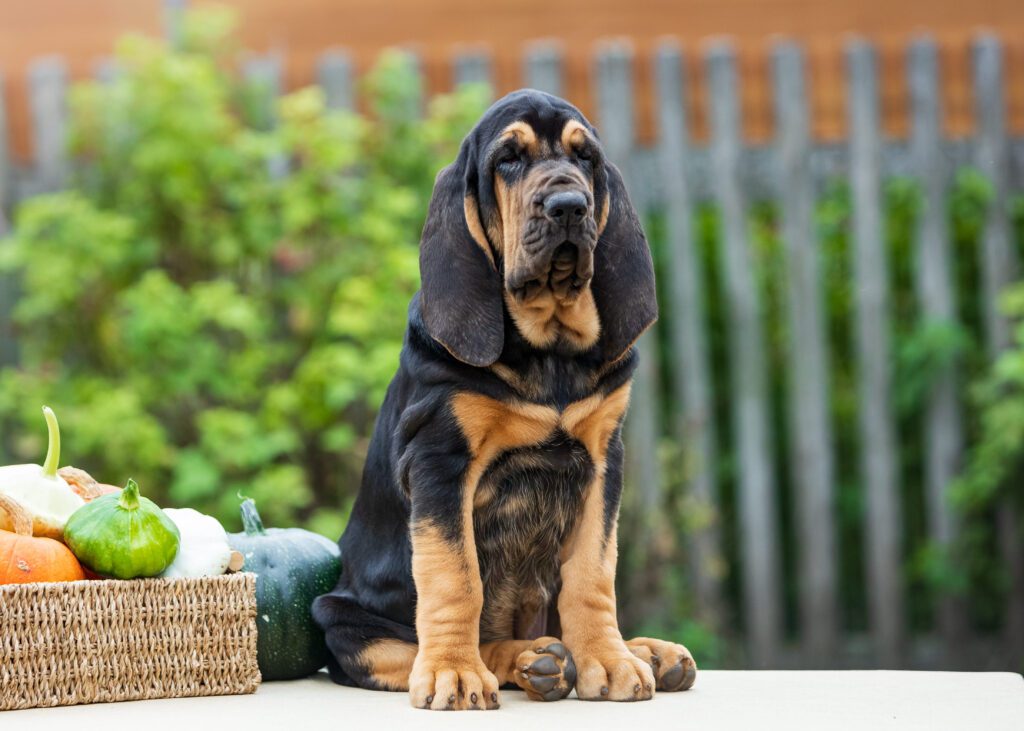
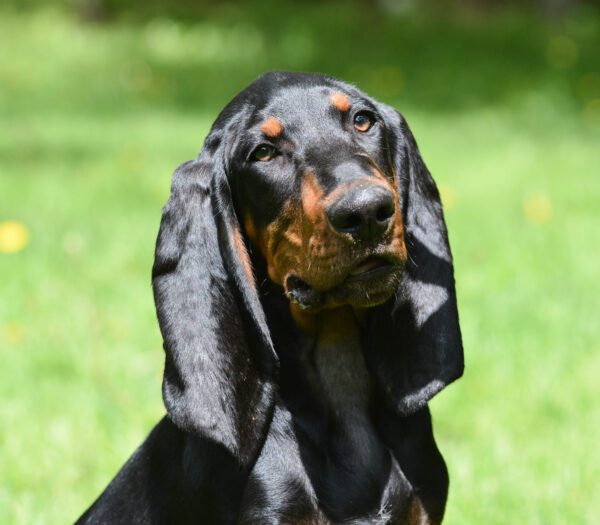
Bloodhounds are gentle, devoted, and famously driven by their remarkable noses. They are affectionate with family, patient with children, and steady with other dogs when they receive proper introductions and training. Their curiosity and stamina make them wonderful partners for people who enjoy long walks and outdoor time.
Adopting a Bloodhound works best when you research the breed’s needs before you apply. This breed is large, strong, and independent. A Bloodhound requires daily exercise, careful leash handling, and consistent training to manage scent-driven instincts. Adoption gives a deserving dog a second chance while also providing you with a dog that has often received health screening and basic care before placement.
Michigan offers forests, shorelines, and trails that suit a tracking breed’s love of sniffing and exploration. Cold winters require a warm indoor space and short, monitored outings during extreme weather. Humid summers mean you should prevent overheating with shade, cool water, and quiet rest after exercise. Apartment living is possible with diligent exercise and training, though a fenced yard in suburban or rural areas often fits a Bloodhound’s lifestyle better.
You can avoid searching local rescues and shelters separately by browsing listings on Dog Academy. You can filter by location, age, and size to see available Bloodhounds and Bloodhound mixes across Michigan. You can also use Dog Academy’s educational guides and adoption checklists to prepare for each step and to make confident choices.
Beyond centralized listings, adoptable Bloodhounds may appear at local animal shelters, regional rescues, and breed-focused rescue groups. Some organizations care for dogs in foster homes, while others operate from a shelter facility. You can contact the group to confirm the dog’s temperament, energy level, and medical history so you can match your household with the right dog.
The process usually begins with browsing profiles and submitting an application. Applications often request details about your housing, yard, fencing, daily schedule, and veterinary history. Many groups ask for landlord approval when you rent and may request references to confirm your ability to meet a large scent hound’s needs.
After your application, the next steps often include a phone interview, a meet-and-greet, and a home check. A meet-and-greet lets you see how the dog responds to you and to your resident pets. A home check verifies that your space is safe, that doors and gates secure properly, and that your plan for exercise and enrichment is realistic. Some groups complete the check virtually through a video call, while others visit in person.
Approval timelines vary. Straightforward applications can move in 1 to 2 weeks, while complex cases or high-demand puppies can take 3 to 4 weeks. If the right match is not immediately available, you can ask to stay on an interest list. When the dog is located outside your immediate area, rescues sometimes arrange transport to move dogs between locations. Transport is often coordinated by volunteers or professional drivers and may require you to meet at a transfer point and to complete paperwork before pickup.

|
How Much Does It Cost to Adopt a Bloodhound in Michigan?In Michigan, you can expect typical adoption fees of $200 to $450 for most adult Bloodhounds. Puppies often range from $300 to $650 due to higher demand and early veterinary care, while seniors may be placed for $100 to $250 to encourage adoption. Fees can shift slightly by region within the state based on veterinary costs and demand. Adoption fees usually include spaying or neutering, vaccinations, microchipping, and veterinary exams. Costs may increase when the dog has received dental work, treatment for ear infections, or professional training. Age, medical history, temperament, and local demand affect pricing. A dog with current training or recent medical treatments often carries a higher fee because the organization has invested in care that benefits the adopter on day one. |
How Should I Train a Bloodhound?Bloodhounds are intelligent and determined, yet they can be independent and easily distracted by scents. Training succeeds when it channels the nose rather than fights it. Short, upbeat sessions with high-value rewards work best. Clear cues, consistent routines, and generous praise help a Bloodhound try again when tasks feel difficult. Common challenges include pulling on leash, selective listening when a scent appears, and loud baying when excited. You can manage these challenges with structured leash work, scent games that build focus, and calm reinforcement when the dog settles. A long line in open spaces allows safe exploration while you practice recall and attention. Crate training, house manners, and polite greetings should start as soon as the dog comes home. For step-by-step guidance, you can enroll in Dog Academy’s online training courses. You can access lessons on loose-leash walking, recall, settling skills, and enrichment activities designed for scent-driven breeds. Consistent practice and positive reinforcement will help your Bloodhound grow into a well-mannered companion. |

|
The ideal adopter enjoys daily walks, values routine, and feels comfortable guiding a large, enthusiastic dog. A fenced yard, time for training, and a plan for drool and ear care make life easier. Families who spend time outdoors and who appreciate a calm, affectionate companion often thrive with this breed.
Preparation leads to a great match. You can research the breed, set up safe containment, and gather essentials before you apply. You can browse listings, ask thoughtful questions, and take your time. With patience and a clear plan, you can adopt a Bloodhound in Michigan that fits your home and your lifestyle for years to come.

Introducing a new puppy to your current dog is often an exciting process, and many dogs will become fast friends and eas...
Read More
Rescue dogs can make great companions and can transform your home into something better. These dogs make great pets and ...
Read More
You should never rush to pet a dog. Even dog owners make the mistake of approaching unfamiliar dogs and petting them rig...
Read More
Puppy mill dogs are survivors who have endured extreme hardships in their lives. They have grown up in horrendous, unsan...
Read More
With their wagging tails and comforting presence, adopting a dog can add a unique touch to your life. It’s a heart...
Read More
Older dogs may have a few gray hairs around the edges, but that doesn’t mean they can’t make wonderful companions! T...
Read More