
























































































































































































Introducing a new puppy to your current dog is often an exciting process, and many dogs will become fast friends and eas...
Read MoreAdopt Me

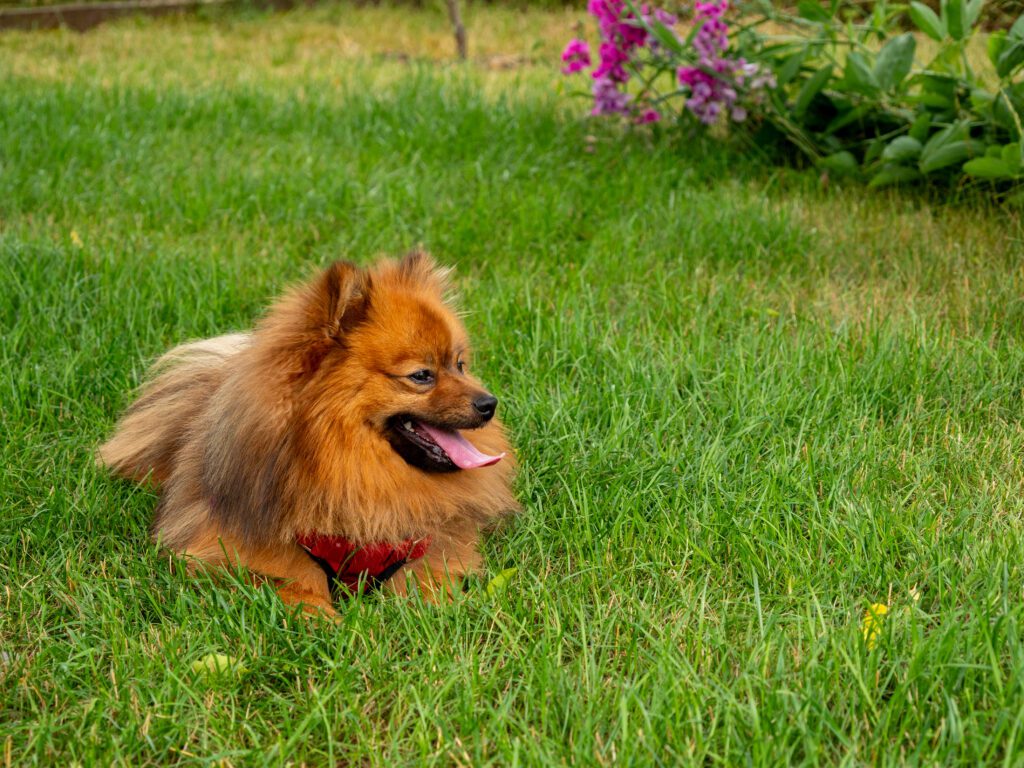
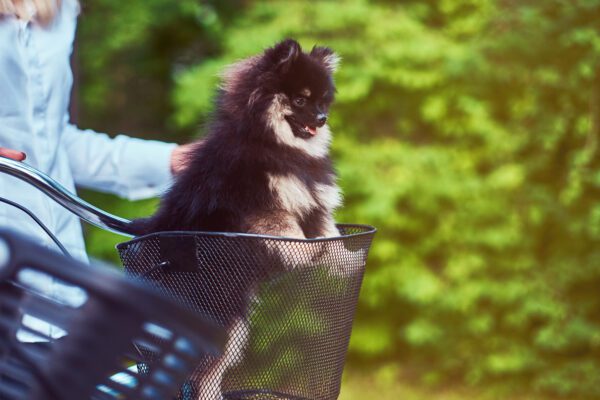
The German Spitz is a bright, cheerful, and devoted companion. This foxlike breed loves people, learns quickly, and brings lively energy to daily life. The plush double coat and plumed tail give the breed a striking look. The breed enjoys brisk walks, training games, and time with the family. Weekly brushing keeps the coat tidy, and seasonal shedding calls for extra grooming during spring and fall.
Thoughtful research sets up a successful adoption. Consider how much time you can give to training, exercise, and social time. The German Spitz can be vocal, so clear house rules and practice help. Michigan’s climate suits the thick double coat in winter, while hot and humid days in summer call for shade, water, and rest. Lakes, forest trails, and neighborhood sidewalks offer great outlets for sniffing and movement. Ice melt can irritate paws, so regular rinsing and paw balm help. Apartment living in cities can work when you plan daily walks, indoor play, and polite barking training.
Adoption gives a dog a second chance and supports lifesaving work. It often provides strong value because many dogs are already vetted and evaluated. You receive notes on behavior and daily habits that help you plan care from day one. Choosing adoption over buying also reduces demand for irresponsible breeding and helps Michigan shelters and rescues focus on dogs who still need homes.
You can avoid searching shelters and rescues one by one by starting with the adoption listings at Dog Academy. You can browse German Spitz dogs available in Michigan and nearby states in one place. You can also read educational guides and adoption checklists that prepare you for each step. This saves time and helps you focus on dogs that fit your home and lifestyle.
Adoptable German Spitz dogs may appear through local animal shelters, regional rescues, breed-specific rescue groups, and foster-based networks. Availability changes week by week. Some organizations move dogs from high intake areas to Michigan through transport. Transport is often arranged by rescues to move dogs between states using volunteer drivers or professional carriers. These trips follow set routes, require health certificates, and use agreed pickup locations to keep dogs safe.
The process starts with browsing listings and reading full profiles. Next you complete an application that covers your experience, schedule, housing details, and veterinary history. Many groups request landlord approval for renters and personal references. Timelines vary based on demand and staffing. A straightforward application can move in about 3 to 10 days, while complex cases or popular puppies can take several weeks.
After approval you schedule a meet and greet at a shelter, an adoption event, or a foster home. Bring household members and any resident dogs when allowed. The goal is to confirm comfort, manners, and energy match. Many groups complete a home check either virtually or in person. A home check confirms safe fencing for yards or a solid management plan for apartments, plus secure trash, cord control, and safe storage for medications. Final steps include signing the contract, paying the fee, and arranging pickup or delivery. Some groups offer a trial period or foster to adopt so you can confirm a good fit before finalizing.

|
How Much Does It Cost to Adopt a German Spitz in Michigan?Most adopters in Michigan can expect to pay about $250 to $425 to adopt a German Spitz. Puppies and young adults with high demand can reach $450 to $500. Fees vary with age, training history, recent medical care, and regional demand. A dog that already completes basic training or receives specialty treatment can cost more, while a senior dog often costs less. Adoption fees usually include spaying or neutering, vaccinations, microchipping, and veterinary exams. Many groups also provide deworming, a heartworm test, and a starter collar or ID tag. Some organizations add dental cleanings or prescription care when needed. Taxes and local licensing are sometimes separate and are collected at pickup. Asking for an itemized list helps you see exactly what your fee covers. |
How Should I Train a German Spitz?The German Spitz is intelligent, observant, and eager to work for rewards. Short and upbeat sessions keep focus high. Use positive reinforcement with food, toys, and praise. Teach foundation skills like sit, down, stay, and recall. Socialize with friendly people and calm dogs to build confidence. Practice polite greetings and door manners to curb jumping and dashing. Vocalizing is common in alert breeds, so plan early bark management. Teach a quiet cue, reward calm behavior, and give daily enrichment like puzzle feeders and sniffy walks. Reinforce relaxation on a mat and rotate safe chew items to prevent boredom. Consistent routines support house training and crate comfort. For expert, step-by-step support, enroll in Dog Academy’s online training courses. You can follow clear lessons for manners, leash skills, barking reduction, and fun tricks that channel the breed’s sharp mind. |
|
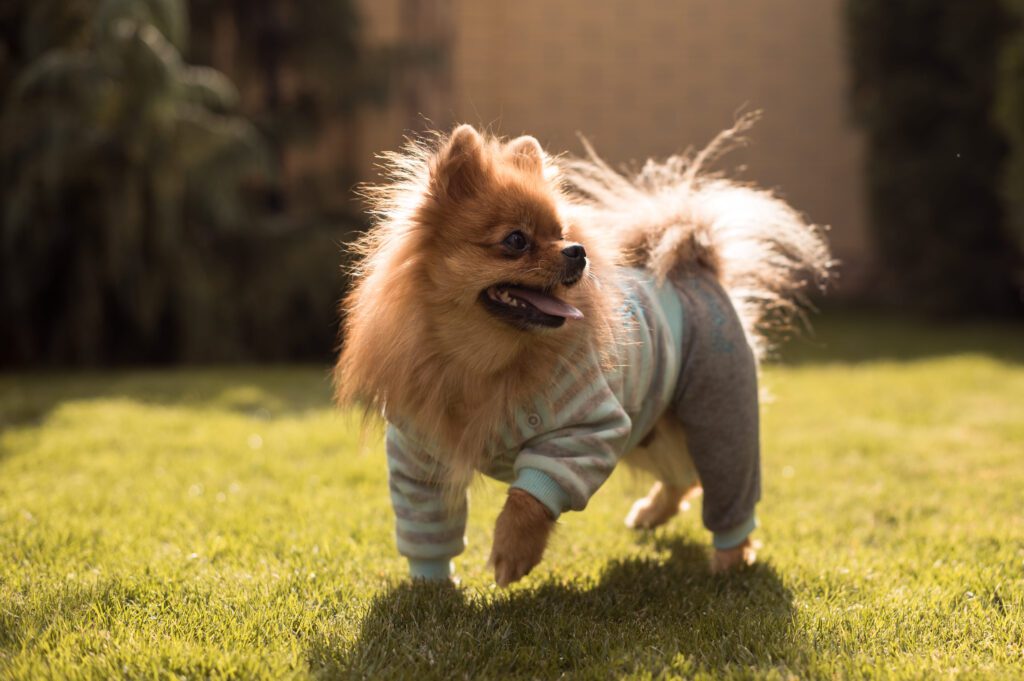
The ideal adopter enjoys daily walks, playful training, and regular grooming. A patient owner who values structure and positive methods will help this clever dog thrive. The breed fits active singles, couples, and families who can guide polite barking and provide mental challenges each day.
Prepare your home, gather supplies, and set a training plan before you bring your dog home. Take time to review profiles, ask clear questions, and move at a pace that protects the well-being of both you and the dog. With careful planning and the right resources, you can adopt a German Spitz in Michigan and build a happy life together.

Introducing a new puppy to your current dog is often an exciting process, and many dogs will become fast friends and eas...
Read More
Rescue dogs can make great companions and can transform your home into something better. These dogs make great pets and ...
Read More
You should never rush to pet a dog. Even dog owners make the mistake of approaching unfamiliar dogs and petting them rig...
Read More
Puppy mill dogs are survivors who have endured extreme hardships in their lives. They have grown up in horrendous, unsan...
Read More
With their wagging tails and comforting presence, adopting a dog can add a unique touch to your life. It’s a heart...
Read More
Older dogs may have a few gray hairs around the edges, but that doesn’t mean they can’t make wonderful companions! T...
Read More