


















































































































































































Introducing a new puppy to your current dog is often an exciting process, and many dogs will become fast friends and eas...
Read MoreAdopt Me

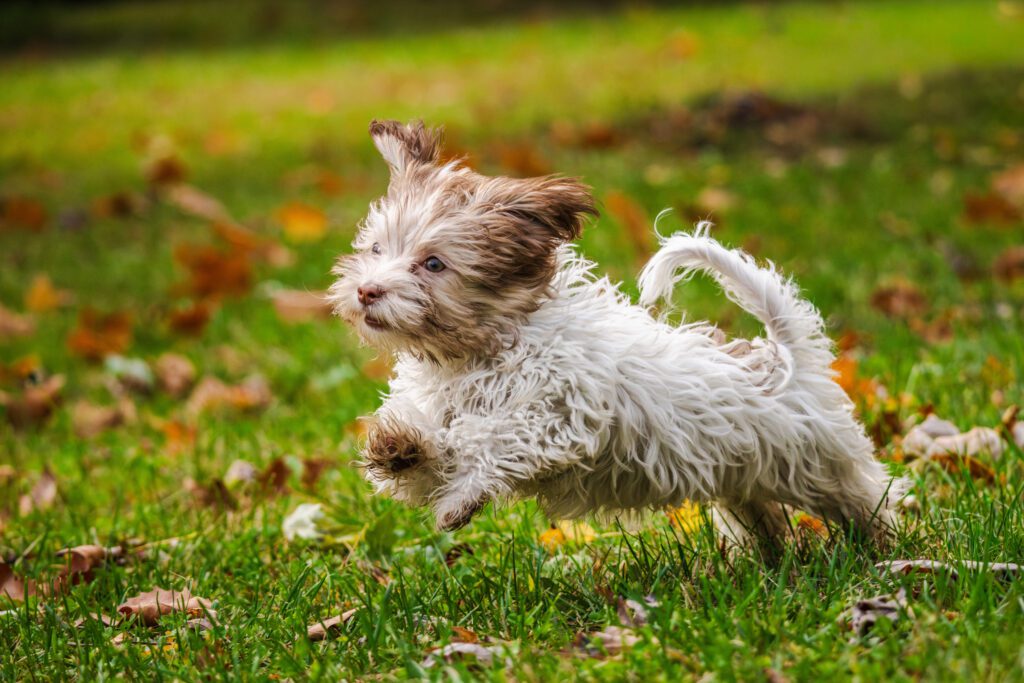

The Havanese is a cheerful, affectionate companion that loves to be near people and learns quickly. This small breed has a silky, low-shedding coat, a bright personality, and a playful spirit that fits family life and quiet households alike. Careful research helps you match the breed’s needs with your daily routine so you can set your new dog up for success from day one.
Adoption gives a dog a second chance while also supporting responsible pet care in your community. It often includes essential veterinary care at a fair price and it helps reduce demand for commercial breeding. Michigan’s climate and geography create both opportunities and challenges for this breed. Winters are cold and snowy across much of the state, while summers can be warm and humid near the Great Lakes. A Havanese thrives when it enjoys cozy indoor living in winter, safe outdoor time in mild weather, and consistent mental enrichment year-round.
The Havanese adapts well to apartments and suburban homes because the breed needs moderate exercise and plenty of companionship rather than long-distance running. Michigan families can enjoy neighborhood walks, calm lakeside paths, and indoor training games when the weather turns. A winter coat and dog booties help a small dog handle icy sidewalks, while regular brushing keeps the coat healthy in both humid summers and snowy seasons.
You can avoid searching rescues and shelters separately by using Dog Academy to browse current Havanese listings across Michigan. You can filter by age, size, and location, then follow clear next steps for each dog. Dog Academy also shares educational guides and adoption checklists so you can prepare your home, plan your first week, and understand post-adoption care.
Adoptable Havanese may appear at local animal shelters, regional rescues, breed-specific rescue groups, and foster-based organizations. Some groups offer foster-to-adopt options when a family hosts a dog for a trial period before finalizing the adoption. Availability changes quickly because small companion breeds receive high interest, so checking listings regularly helps you act when a good match appears.
The process usually starts by browsing listings, then submitting a detailed application that covers your schedule, home setup, and experience with dogs. Many groups request personal references, proof of landlord approval when you rent, and veterinary records for resident pets. Meet-and-greets help confirm fit with all family members, and a home check verifies safe spaces for rest, feeding, and potty breaks. Approval timelines vary from a few days to about 2 weeks depending on dog needs, application volume, and scheduling for meet-and-greets or home checks.
Some rescues arrange transport to move dogs between locations when a strong adopter match is outside the immediate area. Transport is often organized through volunteer drivers or licensed pet transport services that move dogs along planned routes with scheduled handoffs. Even when transport is available, adopters still complete the full application, pay the adoption fee, and meet pickup instructions to ensure a smooth and safe transition.

|
How Much Does It Cost to Adopt a Havanese in Michigan?In Michigan, the typical adoption fee for a Havanese ranges from $250 to $450 for most adult dogs and from $350 to $650 for puppies. Fees trend higher for puppies and for dogs with recent training or extra veterinary care. Prices also reflect demand for small, low-shedding companions, which keeps Havanese near the upper end of small-breed adoption fees in many metro areas. Adoption fees usually include spaying or neutering, vaccinations, microchipping, and veterinary exams. Some dogs receive dental cleanings, heartworm testing, and pre-adoption grooming, which can raise costs slightly. Age, training, medical care, and demand influence the final fee, and urban locations with strong interest may post higher prices than rural areas. |
How Should I Train a Havanese?The Havanese is bright, people-oriented, and eager to earn rewards, which makes training enjoyable when you keep sessions short and upbeat. The breed responds best to positive reinforcement that uses treats, toys, and praise to mark the exact behavior you want. Clear routines for feeding, potty breaks, and naps help a small dog settle quickly in a new home. Common challenges include house training in cold weather, alert barking at sounds in apartment hallways, and clingy behavior that can grow into separation anxiety. You can prevent problems by reinforcing quiet moments, building independence with short absences, and rewarding outdoor potty trips immediately after successful elimination. Crate training supports safe rest, and indoor enrichment like scent games and gentle tug keeps energy balanced when sidewalks are icy. If you want step-by-step support, explore Dog Academy’s online training courses for puppy foundations, house training, crate comfort, loose leash walking, and polite greetings. Courses use bite-sized lessons and real-world practice plans so you can turn daily routines into training opportunities and make progress at your own pace. |

|
The ideal Havanese adopter enjoys close companionship, gentle play, and a predictable routine. This breed fits apartments or homes with small yards when the family provides daily walks, indoor enrichment, and consistent grooming. A committed owner keeps up with brushing, schedules regular trims, and uses cold-weather gear to protect a small dog in winter.
Take time to evaluate energy level, grooming needs, and training goals before you apply. Prepare your home, gather supplies, and coordinate a first-week plan so your new dog can relax and learn your routine. When you are ready, review current listings through Dog Academy, ask thoughtful questions, and move at a pace that keeps the match comfortable for both you and your future companion.
Introducing a new puppy to your current dog is often an exciting process, and many dogs will become fast friends and eas...
Read More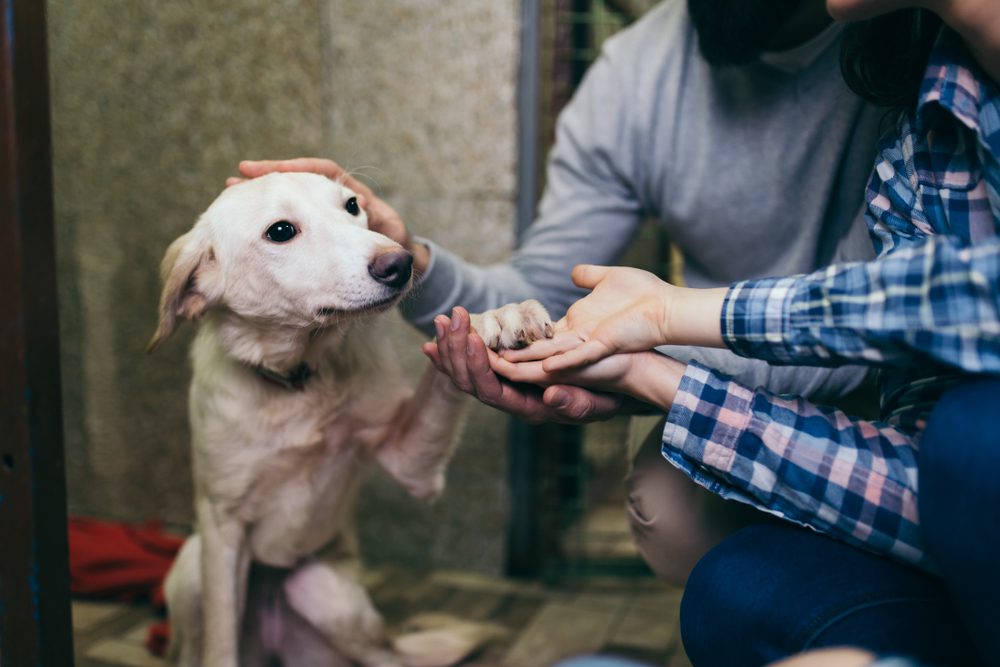
Rescue dogs can make great companions and can transform your home into something better. These dogs make great pets and ...
Read More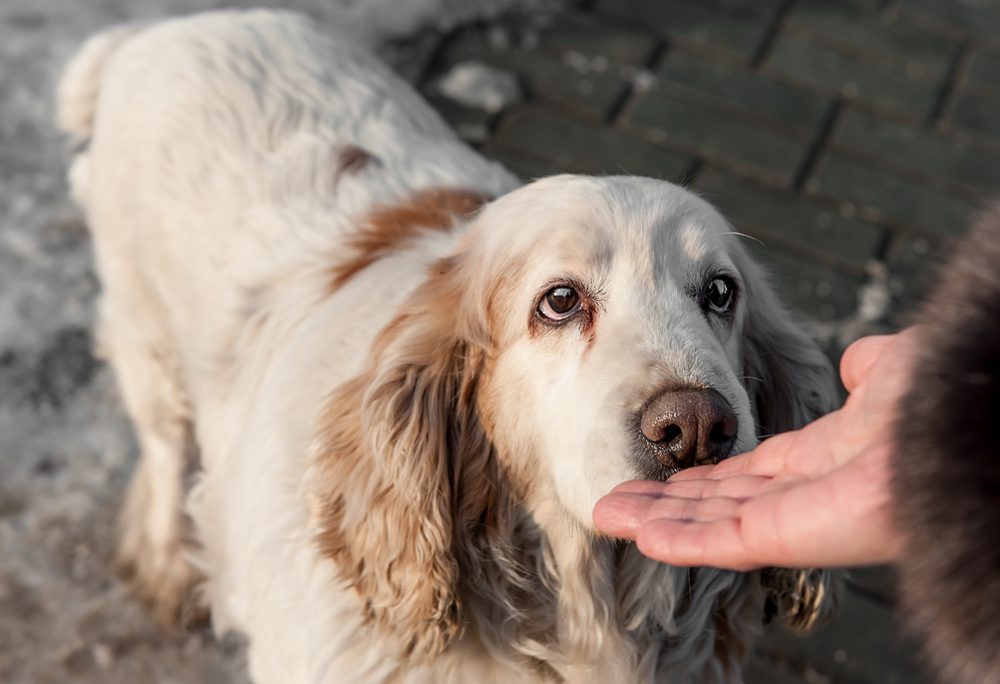
You should never rush to pet a dog. Even dog owners make the mistake of approaching unfamiliar dogs and petting them rig...
Read More
Puppy mill dogs are survivors who have endured extreme hardships in their lives. They have grown up in horrendous, unsan...
Read More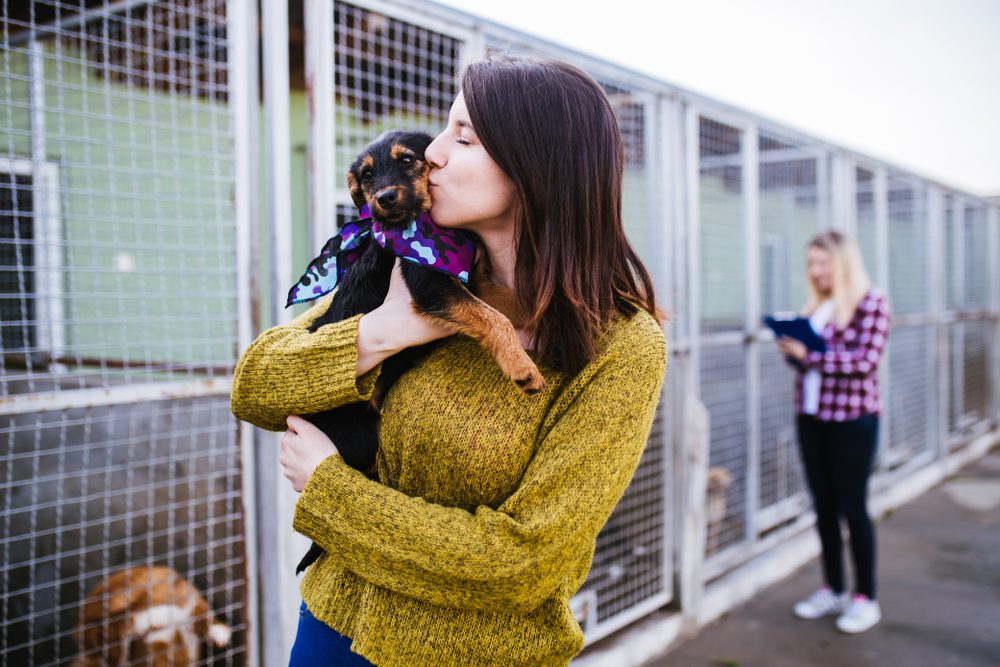
With their wagging tails and comforting presence, adopting a dog can add a unique touch to your life. It’s a heart...
Read More
Older dogs may have a few gray hairs around the edges, but that doesn’t mean they can’t make wonderful companions! T...
Read More