



























































































































































































Introducing a new puppy to your current dog is often an exciting process, and many dogs will become fast friends and eas...
Read MoreAdopt Me

Miss Chestnut
Hillside, IL
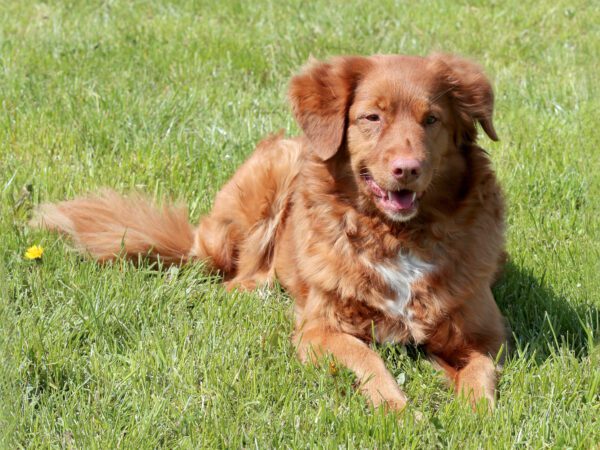
Breed: Nova Scotia Duck-Tolling Retriever
Sex: Female
Age: puppy




The Nova Scotia Duck Tolling Retriever is an energetic, clever, and affectionate companion. The breed loves water, learns quickly, and thrives on daily activity. A Toller bonds closely with family and often excels in hiking, running, and field games that engage both body and mind.
Research matters before you adopt a Nova Scotia Duck Tolling Retriever in Michigan. Understanding exercise needs, grooming requirements, and training priorities helps you choose a dog that fits your home. Adoption is preferable to buying because adoption gives a dog a second chance, includes essential veterinary care, and provides support that helps new owners succeed.
Michigan suits this breed in many ways. Michigan has long winters and plentiful snow, and a Toller’s weatherproof double coat handles cold conditions well with proper paw care and safe outdoor routines. Michigan also offers lakes, forests, and trails that match the breed’s love of swimming and retrieving. Summer humidity requires careful scheduling of exercise in the morning or evening, and city living requires a clear exercise plan that includes structured walks and mental enrichment every day.
You can avoid searching for rescues and shelters separately by starting with Dog Academy. Dog Academy lists adoptable dogs from across the region in one place and provides educational guides and adoption checklists that help you prepare. You can still explore local animal shelters, regional rescues, and breed-specific rescue groups, yet a single hub saves time and helps you compare options quickly.
Begin by browsing listings and reading each profile carefully. A good profile explains age, temperament, medical history, and activity level. Match the dog’s needs to your schedule, your experience with active breeds, and your access to safe outdoor spaces. Contact the organization to confirm availability and to ask about the dog’s daily routine, energy level, and response to training.
Next, complete an application that covers housing, household members, other pets, and your training plan. Many groups request references and a conversation to discuss expectations. A meet-and-greet usually follows, which allows you to interact with the dog and to gauge fit. Some groups schedule a home check to ensure your space is safe and ready for a new dog. Approval timelines vary. A straightforward application may move in 1 to 2 weeks, while dogs with special needs or high demand may take several weeks.
If the right Toller is not nearby, ask about transport. Transport is often arranged by rescues to move dogs between locations using volunteer drivers or professional partners. Dogs travel under supervision with proper health certificates, and the group explains any additional fees and pickup procedures in advance.
|
How Much Does It Cost to Adopt a Nova Scotia Duck Tolling Retriever in Michigan?Most adopters in Michigan can expect to pay $350 to $600 for an adult Nova Scotia Duck Tolling Retriever through a rescue. Puppies, when available, often range from $500 to $750 due to higher demand and recent medical care. Availability in general shelters can lead to lower fees, but Tollers are uncommon, so breed rescues handle many adoptions and set fees that reflect care provided. Costs vary based on age, training, medical care, and demand. Fees typically include spaying or neutering, vaccinations, microchipping, and veterinary exams. A dog with recent dental work, advanced diagnostics, or specialized training may cost more. A senior dog or a dog with a sponsorship may cost less. Always ask for an itemized breakdown so you understand what your fee supports. |
How Should I Train a Nova Scotia Duck Tolling Retriever?The Nova Scotia Duck Tolling Retriever is intelligent and eager to work, which makes the breed highly trainable with consistent structure. Positive reinforcement builds focus and trust. Short sessions that mix obedience, retrieving games, and scent work hold attention and prevent boredom. Clear cues, timely rewards, and calm handling help a sensitive Toller relax and learn. Common challenges include high energy, mouthiness during play, alert barking, and a strong desire to chase wildlife. Daily aerobic exercise paired with mental enrichment reduces frustration and unwanted behavior. Teach impulse control through sit, down, stay, leave it, and settle. Introduce calm crate time so your dog learns to rest between activities. For step-by-step guidance, explore Dog Academy’s online training courses, which cover foundation skills, leash manners, recall, and enrichment tailored to active breeds. |

|
The ideal adopter enjoys daily outdoor activity, values training, and has a plan for mental enrichment on cold or rainy days. A fenced yard helps, yet a committed walker or runner can also meet this breed’s needs with structure and consistency. Families with patient supervision and clear rules often thrive with a Toller’s playful spirit.
Preparation sets you and your dog up for success. Gather supplies, review training goals, and confirm a veterinary plan before adoption day. Take your time, ask detailed questions, and choose the dog whose needs match your lifestyle. With thoughtful research and steady training, you can adopt a Nova Scotia Duck Tolling Retriever in Michigan and enjoy a loyal, active teammate for years to come.

Introducing a new puppy to your current dog is often an exciting process, and many dogs will become fast friends and eas...
Read More
Rescue dogs can make great companions and can transform your home into something better. These dogs make great pets and ...
Read More
You should never rush to pet a dog. Even dog owners make the mistake of approaching unfamiliar dogs and petting them rig...
Read More
Puppy mill dogs are survivors who have endured extreme hardships in their lives. They have grown up in horrendous, unsan...
Read More
With their wagging tails and comforting presence, adopting a dog can add a unique touch to your life. It’s a heart...
Read More
Older dogs may have a few gray hairs around the edges, but that doesn’t mean they can’t make wonderful companions! T...
Read More