

















































































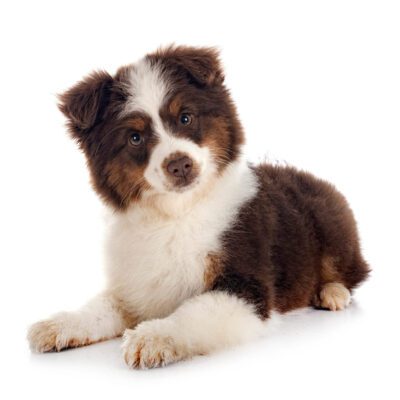















































Introducing a new puppy to your current dog is often an exciting process, and many dogs will become fast friends and eas...
Read More
How to Introduce a New Puppy to Your Dog
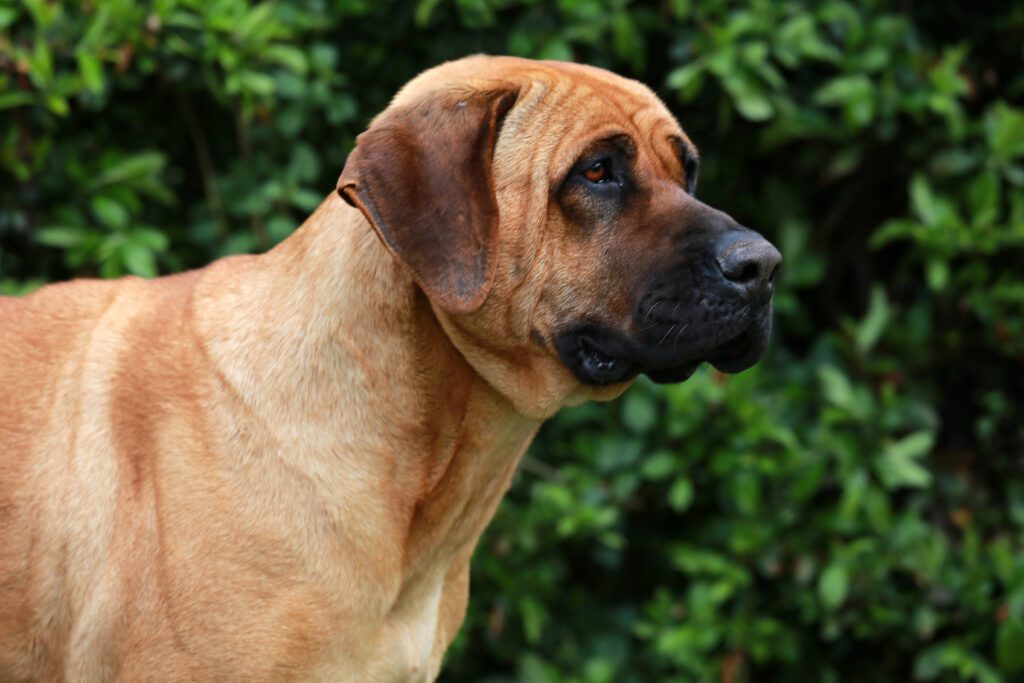
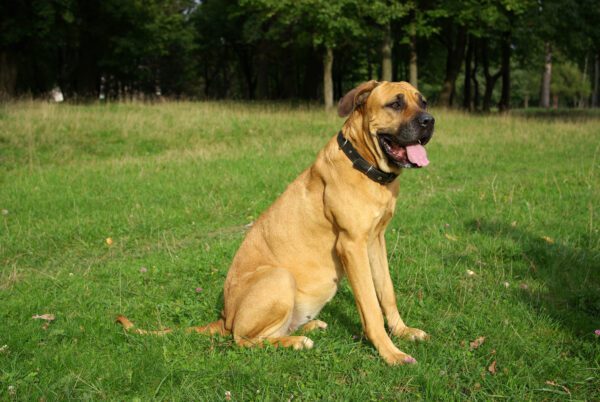
The Tosa Inu is a powerful, dignified, and loyal breed that forms a deep bond with its family. Many Tosas are calm indoors, quiet by nature, and athletic outside, which creates a rewarding balance for experienced owners. This breed thrives with confident leadership, steady routines, and thoughtful socialization that builds trust and manners.
Before you adopt a Tosa Inu in Michigan, take time to research the breed’s size, strength, exercise needs, and training requirements. Adoption is often preferable to buying because you give a deserving dog a second chance, you receive honest information about temperament and history, and you support organizations that prioritize welfare. Michigan’s climate and geography can suit a Tosa well when you plan ahead. Winters are cold with snow and wind, which means a short-coated Tosa needs warm gear and limited outdoor exposure during extreme temperatures. Summers can be warm and humid, so you should avoid midday heat and provide shade and water. Michigan offers forests, lakes, and neighborhood paths that are perfect for structured walks, yet the breed’s strength means consistent leash skills and reliable recalls are essential in every setting.
You can avoid searching shelters and rescues separately by starting with Dog Academy. You can browse adoptable dogs in one place, filter for location and traits, and access educational guides and adoption checklists that help you prepare. You can also look at local animal shelters, regional rescues, and breed-specific rescue groups that occasionally receive Tosas or Tosa mixes.
The process usually begins by browsing listings and reading profiles carefully. Profiles often include age, size, known behaviors, medical notes, and placement needs such as a fenced yard or no small pets. Create a shortlist that matches your experience, your home environment, and your daily routine. A strong, reserved guardian breed like the Tosa benefits from quiet households, predictable schedules, and secure fencing that prevents accidental escapes.
After you find a potential match, you submit an application. Applications typically ask for personal references, proof of housing or landlord approval, information about other pets, and your plan for training and exercise. Many organizations schedule a phone interview to discuss breed expectations, energy levels, and handling strategies. Approval times vary by group and by dog, but a typical timeline in Michigan ranges from 1 to 3 weeks. Urgent placements can move faster, while medical or behavior cases can take longer.
Next come meet-and-greets and a home check. Meet-and-greets allow you to assess compatibility, practice calm introductions, and confirm that any resident dogs accept the newcomer. Home checks verify safe fencing, secure doors and gates, and a setup that supports decompression and crate rest when needed. Once approved, you sign an adoption contract and pay the fee, then you receive training recommendations and medical records. If the right Tosa is outside your area, some rescues arrange transport to move dogs between locations. Transport is often completed by volunteer drivers or licensed carriers, and it usually includes health certificates and scheduled rest stops to keep the dog safe.

|
How Much Does It Cost to Adopt a Tosa Inu in Michigan?In Michigan, most adopters pay about $250 to $550 for an adult Tosa Inu. Puppies are less common and usually cost about $350 to $700. Fees tend to be higher for dogs that received extensive veterinary care or professional training, and lower for seniors or dogs with ongoing medical needs. Size can influence costs because large dogs require higher-dose medications and larger supplies. Adoption fees typically cover spaying or neutering, vaccinations, microchipping, and veterinary exams. Costs can also reflect demand, transport expenses, and post-adoption support such as behavior consultations. If a dog arrives with specialized needs, you may see a modest increase that offsets evaluation, medications, or follow-up care. |
How Should I Train a Tosa Inu?The Tosa Inu is intelligent, observant, and thoughtful. Many Tosas learn quickly when training is calm, fair, and consistent. The breed can be independent with a serious demeanor, so training should emphasize clear structure, predictable routines, and rewards for correct choices. Use positive reinforcement that includes food, play, and praise, and keep sessions short and focused to prevent frustration. Early socialization is essential. Start with controlled exposures to people, places, surfaces, sounds, and other dogs at a distance the dog can handle. Practice leash skills, name recognition, recalls, sit-stays, and relaxed downs. Teach impulse control with exercises like wait at doors and settle on a mat. Muzzle training can be a smart safety tool for veterinary visits or complex introductions, and it helps the handler feel confident. If challenges arise, work with an experienced trainer who understands large guardian breeds and who uses reward-based methods that build trust and reliability. You can build a complete plan with Dog Academy’s online training courses, which provide step-by-step lessons, real-life exercises, and support for common behavior goals. |
|
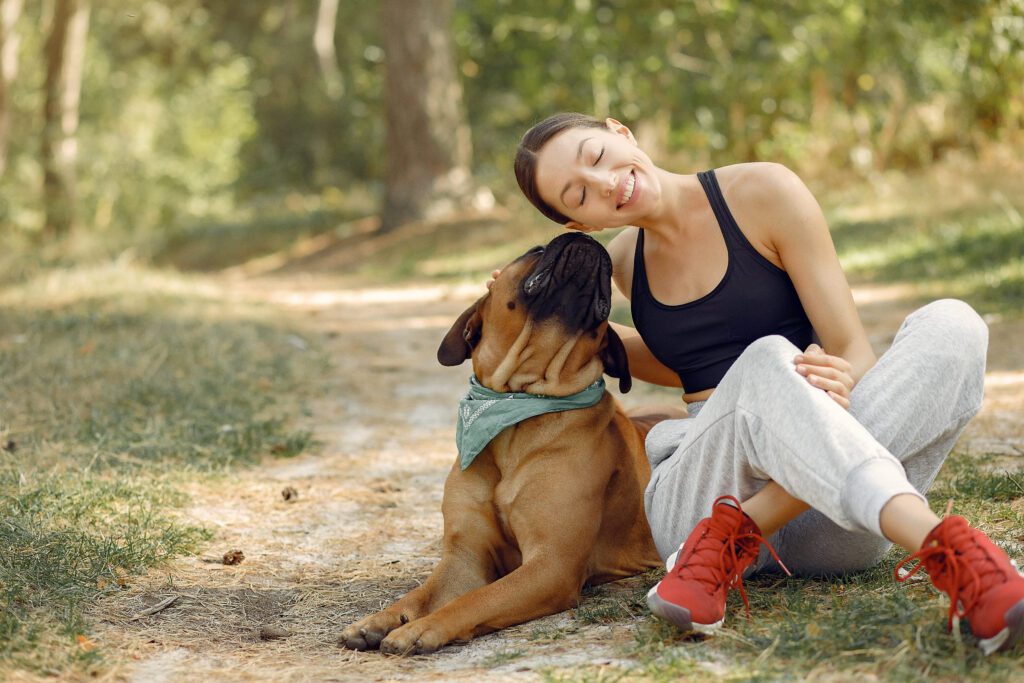
The ideal Tosa Inu adopter is experienced with large breeds, committed to daily exercise, and ready to lead with calm confidence. A secure home, a reliable routine, and time for training and socialization set this breed up for success. Many Tosas do best with thoughtful introductions to other dogs and with owners who can manage powerful play and strong protective instincts.
Take your time, prepare your home, and gather supplies before your dog arrives. Research the breed, learn about training, and stay patient during the first weeks while your Tosa settles in. When you move carefully and choose a dog that truly fits your lifestyle, you give your new companion the stability and guidance that a Tosa Inu needs to thrive in Michigan.
Introducing a new puppy to your current dog is often an exciting process, and many dogs will become fast friends and eas...
Read More
Rescue dogs can make great companions and can transform your home into something better. These dogs make great pets and ...
Read More
You should never rush to pet a dog. Even dog owners make the mistake of approaching unfamiliar dogs and petting them rig...
Read More
Puppy mill dogs are survivors who have endured extreme hardships in their lives. They have grown up in horrendous, unsan...
Read More
With their wagging tails and comforting presence, adopting a dog can add a unique touch to your life. It’s a heart...
Read More
Older dogs may have a few gray hairs around the edges, but that doesn’t mean they can’t make wonderful companions! T...
Read More