

































































































































































Introducing a new puppy to your current dog is often an exciting process, and many dogs will become fast friends and eas...
Read MoreAdopt Me




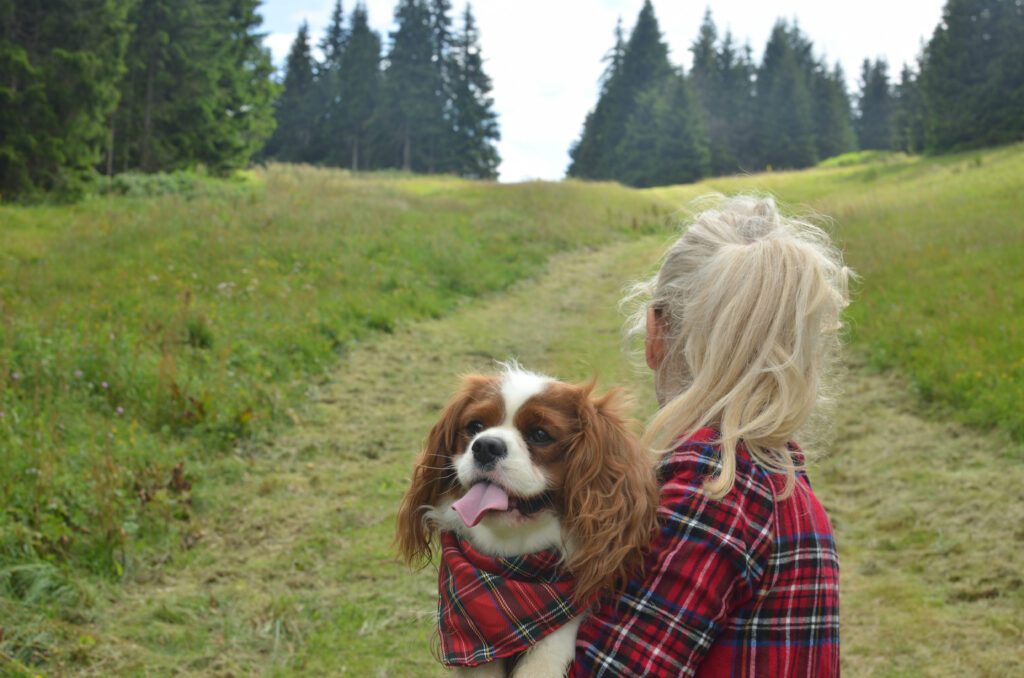
The Cavalier King Charles Spaniel is a gentle, affectionate companion that fits well with many Pennsylvania lifestyles. This breed loves people, enjoys short play sessions, and settles easily on the couch. Cavaliers thrive with close contact and reward consistent attention with soft affection and eager cooperation.
Good research before adoption helps you welcome the right dog. Cavaliers need daily walks, routine brushing, regular ear care, and steady social time. The breed can be sensitive, so a calm home and kind handling work best. Adoption is often preferable to buying because it gives a dog a second chance, supports ethical placement, and often includes valuable veterinary care and post-adoption support.
Pennsylvania’s four-season climate suits Cavaliers when owners plan for weather. Humid summers call for shaded walks and plenty of water. Cold winters in the northeast and higher elevations call for short outings and a warm coat. Urban apartments, suburban homes, and rural properties can all work. The key is safe indoor living, gentle exercise, and daily companionship.
You can avoid searching shelters and rescues one by one by browsing statewide listings on Dog Academy. You can filter for location, age, and temperament in one place. You can also use Dog Academy’s educational guides and adoption checklists to prepare your home, plan your budget, and understand each step of the process. You can still check local animal shelters, regional rescues, and breed-specific rescue groups across Pennsylvania if you want more options.
Start by browsing listings and reading full bios. Each profile usually explains age, health history, behavior notes, and the type of home that will fit best. When you see a good match, submit an application. Most groups ask for personal references and proof of housing. Renters may be asked for landlord approval to confirm pet policies.
After your application, you may join a meet-and-greet. This can take place at a shelter, at a foster home, or at a neutral public space. Bring household members so everyone can interact with the dog. If you have a resident dog, ask about a slow, safe introduction plan. Many groups schedule a home check to confirm that your space is safe and that you understand care needs. Home checks may be in person or virtual video calls.
Approval timelines vary by organization and by the dog’s needs. Straightforward applications can move in a few days. More complex placements can take 1 to 3 weeks. Some rescues arrange transport between locations to move dogs from high-intake areas to approved adopters. Transport usually involves coordinated car or van trips run by volunteers. You receive pickup details and a schedule so you can meet the dog at an agreed location.

|
How Much Does It Cost to Adopt a Cavalier King Charles Spaniel in Pennsylvania?In Pennsylvania, adoption fees for a Cavalier King Charles Spaniel usually range from $300 to $650. Puppies and young adults tend to be at the higher end. Seniors and special-needs dogs tend to be at the lower end. Fees often reflect recent care such as spaying or neutering, vaccinations, microchipping, and veterinary exams. Dental cleanings, heartworm tests, and behavioral support can also affect pricing. Age, training, medical care, and local demand influence cost. A dog with completed basic training and current preventive care may carry a higher fee. A senior with known medical needs may have a lower fee but may require a future care plan. Transparent rescue groups clearly outline what your fee covers and what follow-up care you should plan. |
How Should I Train a Cavalier King Charles Spaniel?Cavaliers are bright, people-focused, and eager to please. They respond quickly to positive reinforcement, clear routines, and short, upbeat sessions. Use rewards like small treats, gentle praise, and play. Keep sessions under 10 minutes and end on a success to build confidence and focus. Common challenges include sensitivity, mild separation distress, and occasional alert barking. You can reduce these issues with gradual alone-time training, steady enrichment, and calm exposure to daily noises. House training improves with a consistent schedule and frequent outdoor breaks. Leash manners and a reliable recall come faster when you reward check-ins and calm walking at your side. For step-by-step guidance you can follow at home, explore Dog Academy’s online training courses. You can learn foundation skills, address problem behaviors, and build polite manners. You can also customize practice plans for apartments, busy neighborhoods, and rural routes across Pennsylvania. |
|
The ideal Cavalier adopter wants daily companionship, gentle play, and quiet evenings. Families with respectful children, retirees, and work-from-home owners often do well. A consistent routine, soft handling, and time for brushing and vet visits keep this breed comfortable and healthy.
Take your time to learn, prepare your home, and budget for future care. Start by reviewing available dogs, confirming your schedule, and setting up supplies. When you feel ready, move forward with a thoughtful application and a calm meet-and-greet. With patient planning, you can adopt a Cavalier King Charles Spaniel in Pennsylvania and enjoy a warm, loyal friend for years to come.
Introducing a new puppy to your current dog is often an exciting process, and many dogs will become fast friends and eas...
Read More
Rescue dogs can make great companions and can transform your home into something better. These dogs make great pets and ...
Read More
You should never rush to pet a dog. Even dog owners make the mistake of approaching unfamiliar dogs and petting them rig...
Read More
Puppy mill dogs are survivors who have endured extreme hardships in their lives. They have grown up in horrendous, unsan...
Read More
With their wagging tails and comforting presence, adopting a dog can add a unique touch to your life. It’s a heart...
Read More
Older dogs may have a few gray hairs around the edges, but that doesn’t mean they can’t make wonderful companions! T...
Read More