



























































































































































































Introducing a new puppy to your current dog is often an exciting process, and many dogs will become fast friends and eas...
Read MoreAdopt Me

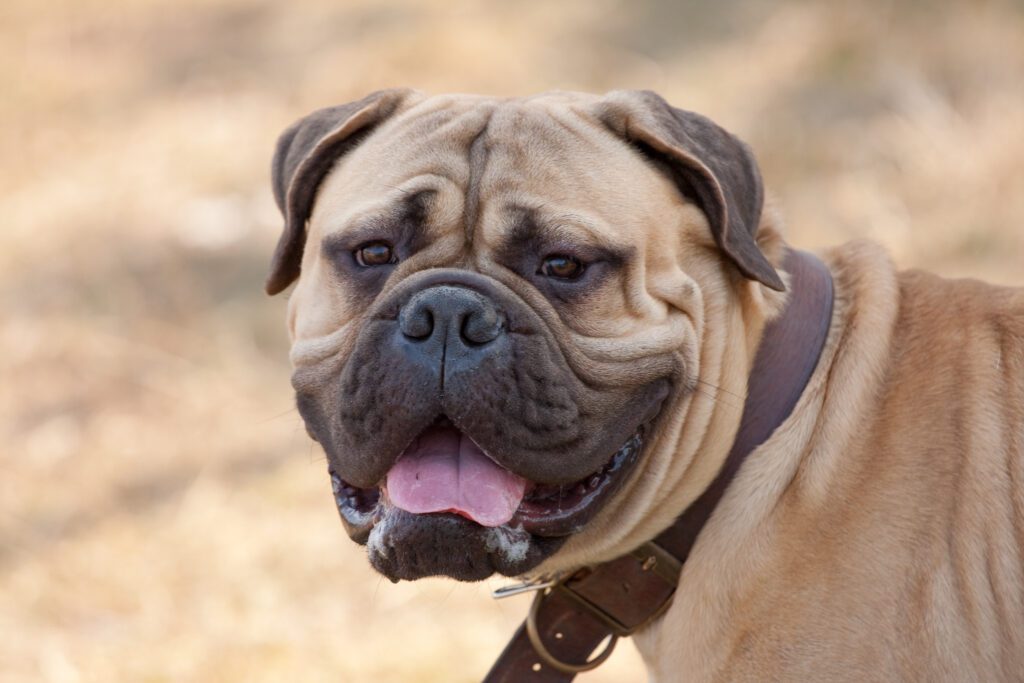
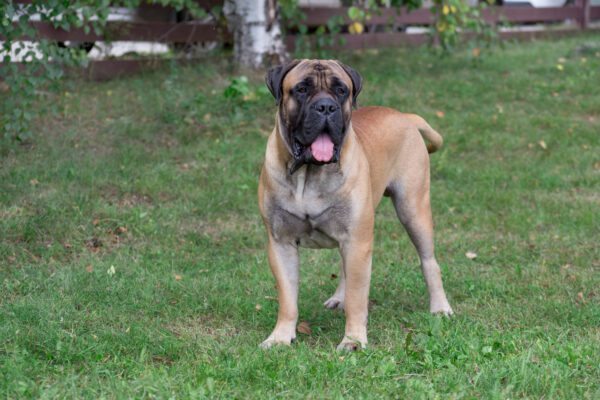
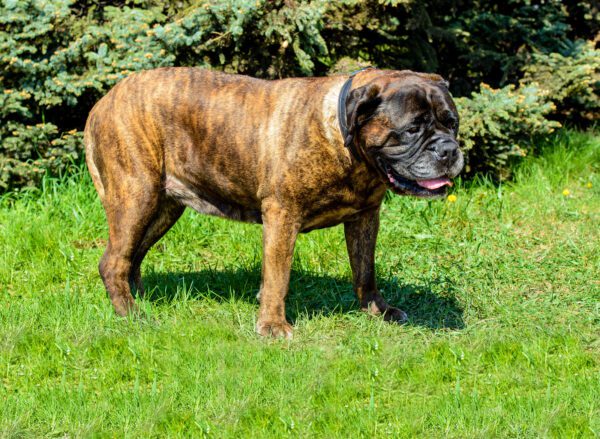
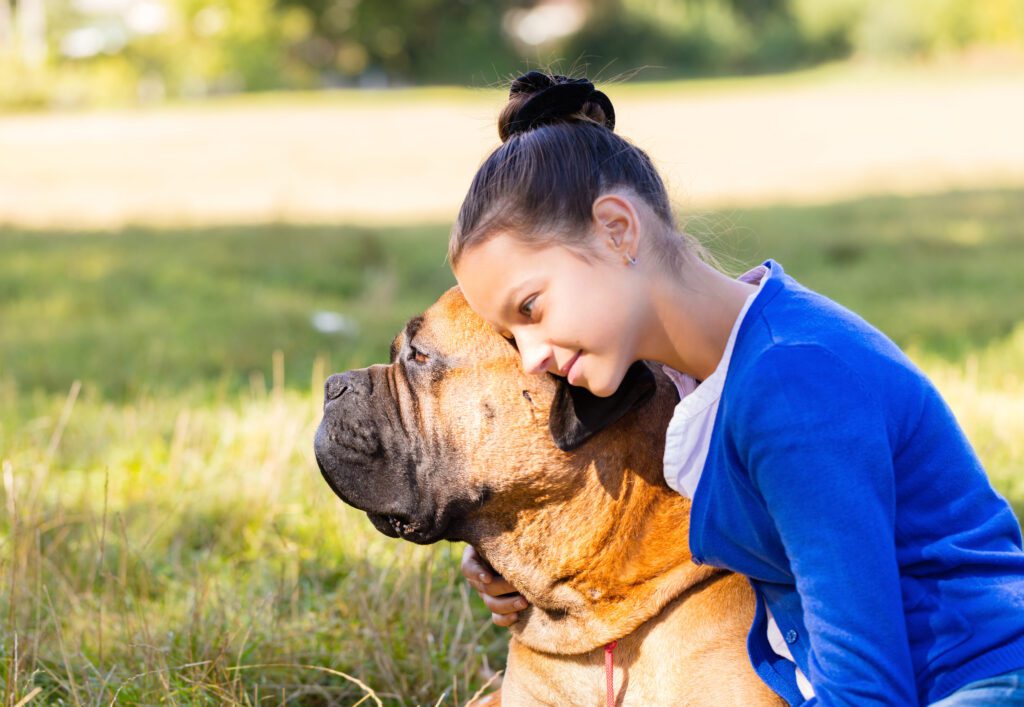
Bullmastiffs are steady, affectionate, and devoted family guardians. They are calm indoors, they bond closely with their people, and they prefer unhurried routines. They are large and powerful, yet gentle with those they trust. Careful research before adoption protects both you and the dog, since this breed needs clear guidance, consistent training, and a thoughtful lifestyle plan. Adoption gives a Bullmastiff a second chance while also supporting the lifesaving work of shelters and rescues.
Pennsylvania offers four true seasons. Summers can be hot and humid, and winters can be icy and snowy. A Bullmastiff’s short coat handles cold with a warm jacket and short outings, but this breed can overheat in high heat and humidity. Shade, cool water, and quiet midday rest keep them safe. The state’s mix of city neighborhoods, suburbs, and rural farmland suits the breed when exercise and space are managed wisely. Regular walks on sidewalks or trails and relaxed play in a secure yard meet daily needs without overexertion.
Lifestyle fit matters. A Bullmastiff thrives with owners who enjoy calm evenings, predictable schedules, and steady leadership. Apartments can work with elevator training and good manners, while single-family homes with secure fencing make management easier. The breed drools, snores, and sheds lightly, and it prefers soft bedding on sturdy floors. Patience, humor, and a strong commitment help you build a safe and happy home.
You can avoid searching shelters and rescues one by one by starting with adoption listings on Dog Academy. You can browse available Bullmastiffs across Pennsylvania, read profiles, and save favorites in one place. You can also use Dog Academy’s educational guides and adoption checklists to prepare your home, plan your budget, and understand breed needs before you apply. Beyond centralized listings, you can also watch for Bullmastiffs at local animal shelters, regional rescues, and breed-specific rescue groups that serve the state.
The process usually begins with browsing listings and submitting an application. Applications often ask about experience with large breeds, daily schedule, housing details, and veterinary references. Landlord approvals are typically required for renters. After the initial review, most organizations schedule a meet-and-greet. Family members and resident dogs are invited to ensure a safe match. Many groups also complete a home check. A home check can be virtual or in person, and it confirms secure fencing or a reliable exercise plan, safe storage for food and medications, and a quiet place to rest.
Approval timelines vary. Straightforward applications often move from submission to decision in 1-3 weeks. Timelines can extend to 3-4 weeks when medical procedures must be completed or when reference checks take longer. If the best match is outside your immediate area, transport is sometimes available. Transport is often arranged by rescues to move dogs between locations, and dogs usually travel by car or van using volunteer networks or licensed carriers. Modest transport fees are sometimes added to cover fuel and coordination. Clear communication with the organization keeps each step smooth and predictable.
|
How Much Does It Cost to Adopt a Bullmastiff in Pennsylvania?In Pennsylvania, the typical adoption fee for a Bullmastiff ranges from $250 to $600. Adult dogs usually fall near $250-$450, and puppies tend to be closer to $400-$600. Fees reflect the real expenses of care in this region and the specialized resources needed for a giant breed. Costs vary with age, training, medical history, and demand. Higher fees often cover spaying or neutering, vaccinations, microchipping, and veterinary exams. Fees can also include parasite screening, behavioral evaluations, and any needed medications. Well-mannered adults with basic training may be priced higher due to demand, while seniors or dogs with ongoing medical needs may be priced lower to encourage adoption. |
How Should I Train a Bullmastiff?Bullmastiffs are intelligent and observant, and they read human body language quickly. They want to please, yet they can be independent. Short, upbeat sessions work best. Reward calm choices, loose-leash walking, and attention to name. Use high-value treats and a warm voice. Harsh corrections can shut down a sensitive Bullmastiff or invite resistance, which slows progress and harms trust. Early socialization to people, sounds, and surfaces builds confidence and prevents reactivity. Focus on impulse control and manners that suit life in Pennsylvania. Teach sit-stay at doorways, relaxed greetings for visitors, and reliable recall for quiet trails. Address pulling with rewards for slack leash, and prevent resource guarding with gentle trade games. Crate training helps with safe car rides and stormy winter nights. Consistency and kindness produce a steady guardian who listens well. For step-by-step guidance, you can enroll in Dog Academy’s online training courses, which provide structured lessons, video demonstrations, and practice plans tailored to real homes. |
|
The ideal adopter is patient, calm, and consistent. Time for daily walks, space for a sturdy dog bed, and a plan for training and vet care set the foundation for success. Prepare your home, gather supplies, review breed traits, and set a realistic budget before you apply. Move at a thoughtful pace, ask clear questions, and wait for a match that feels right. With care and preparation, you can adopt a Bullmastiff in Pennsylvania and welcome a loyal companion who brings quiet strength and deep affection to your life.

Introducing a new puppy to your current dog is often an exciting process, and many dogs will become fast friends and eas...
Read More
Rescue dogs can make great companions and can transform your home into something better. These dogs make great pets and ...
Read More
You should never rush to pet a dog. Even dog owners make the mistake of approaching unfamiliar dogs and petting them rig...
Read More
Puppy mill dogs are survivors who have endured extreme hardships in their lives. They have grown up in horrendous, unsan...
Read More
With their wagging tails and comforting presence, adopting a dog can add a unique touch to your life. It’s a heart...
Read More
Older dogs may have a few gray hairs around the edges, but that doesn’t mean they can’t make wonderful companions! T...
Read More