
























































































































































































Introducing a new puppy to your current dog is often an exciting process, and many dogs will become fast friends and eas...
Read MoreAdopt Me
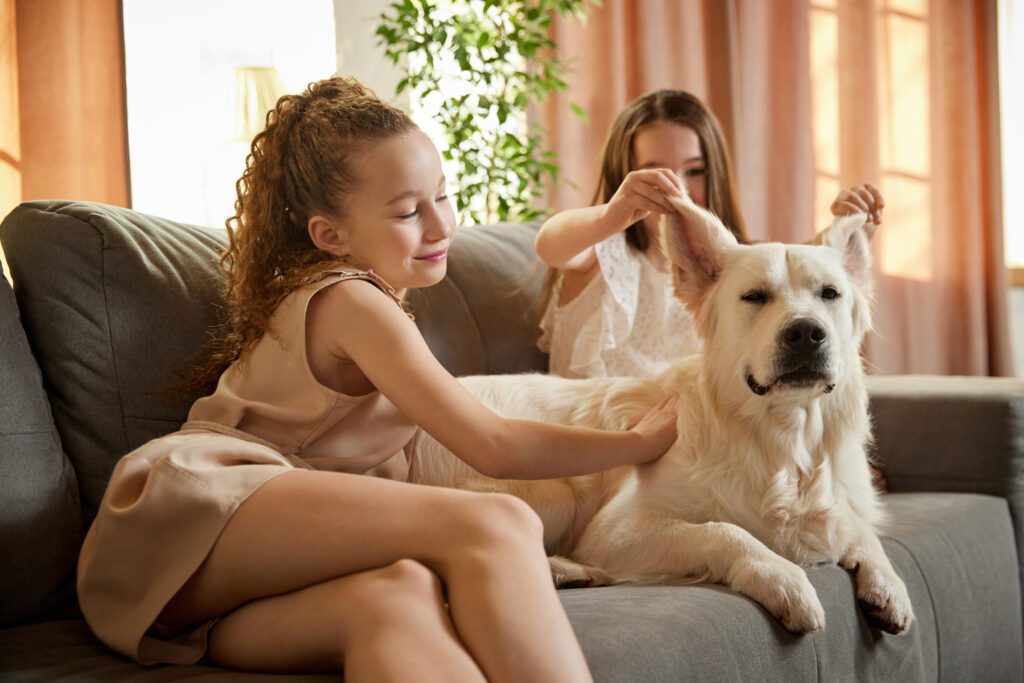
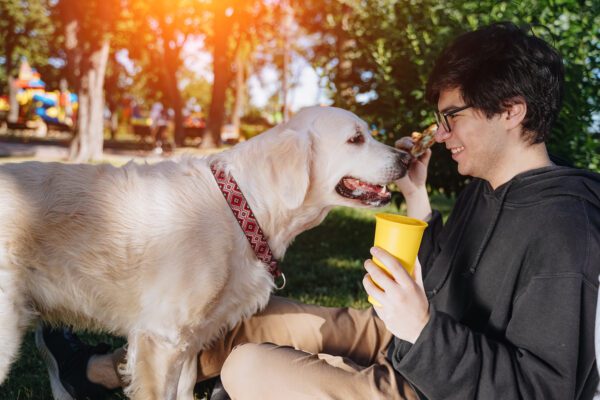
The Akbash is a calm, confident livestock guardian with a strong protective instinct and deep loyalty to family. This large, white-coated dog was developed to make independent decisions while watching over flocks, which means an Akbash can be steady and gentle at home yet vigilant with strangers. Anyone considering this breed should study its needs before bringing one home, because preparation prevents problems and sets your new companion up for success. Choosing adoption helps a dog in need, reduces demand on shelters and rescues, and often provides a dog that has already received essential veterinary care.
Alabama offers both benefits and challenges for an Akbash. Hot, humid summers require strict heat management, steady access to shade, and plenty of fresh water. Mild winters and a long outdoor season suit a dog that prefers room to roam. Rural properties with secure acreage and reliable fencing can fit an Akbash well, while suburban homes can also work with careful management, structured exercise, and thoughtful socialization. If you hope to adopt a Akbash in Alabama, you should match the breed’s natural guarding drive with responsible training and clear household rules.
Research helps you understand what life with an Akbash looks like in your specific setting. Consider your daily schedule, your yard size, your fencing, and your willingness to guide a thoughtful but independent dog. Careful planning ensures a smoother transition and a safer, happier home.
You can avoid searching for rescues and shelters separately by using Dog Academy, which brings adoptable listings together in one place. You can browse available Akbash dogs, save favorites, and learn each dog’s age, size, energy level, and known behavior. Local animal shelters, regional rescues, and breed-specific rescue groups also list adoptable dogs, and they can answer detailed questions about temperament and home requirements.
Start by browsing listings, then submit an application that explains your experience, your living situation, and your plan for training and care. Some groups request landlord approval when you rent, veterinary references if you have current or past pets, and photos of your yard. Most groups schedule a phone interview to discuss fit. Many groups require a meet-and-greet with the dog to confirm compatibility with all family members and resident pets. A home check often follows to confirm safe fencing, secure gates, and appropriate space for rest and exercise.
Approval timelines vary by organization. Straightforward applications can be approved within 1 to 3 weeks. More complex placements may take longer, especially for dogs that require particular environments. Some groups coordinate transport, which is a service where rescues arrange travel to move dogs between locations so a dog can reach a well-matched adopter. Transport can include ground transport by volunteer drivers or paid services that follow set routes. You receive clear pickup instructions and health documents before your new dog arrives.
Understanding Akbash needs is essential throughout the process. Ask about the dog’s comfort with visitors, livestock, and household noise. Clarify whether the dog has lived indoors, whether it has experienced crate training, and whether it has a history of escaping fences. Plan for a secure 5 to 6 foot fence, careful introductions to neighbors and delivery workers, and a slow, structured settling-in period.
|
How Much Does It Cost to Adopt a Akbash in Alabama?In Alabama, you should expect adoption fees for an Akbash to range from $150 to $400. Fees tend to be lower at municipal shelters and higher at rescue groups that provide extensive veterinary care or training before placement. Rarer guardian breeds like the Akbash are less common in general shelters, so fees at breed-focused groups can sit near the top of this range when medical needs are significant. Costs reflect the care already provided, which often includes spaying or neutering, vaccinations, microchipping, and veterinary exams. Fees may rise when a dog has received heartworm testing and treatment, advanced diagnostics, dental cleaning, behavioral assessment, or foundational training. Age, demand, and time in care also affect the final fee. Older dogs often cost less than young adults, while puppies sometimes cost more due to vaccination schedules and higher demand. |
How Should I Train a Akbash?The Akbash is intelligent and observant, yet it was bred to think independently rather than to respond instantly to every cue. That mindset can make training feel different from working with herding or sporting breeds. Use calm, consistent routines and reward-based methods that focus on cooperation. Keep sessions short and meaningful. Teach core skills like leash manners, reliable recall, place, and impulse control at doors and gates. Early socialization is essential for a guardian breed. Introduce new people at a controlled pace and reward relaxed behavior. Supervise interactions with other animals and reinforce calm choices. Avoid harsh corrections that create conflict. Positive reinforcement builds trust and reduces anxiety, especially when you teach the dog how to disengage from stimuli and return to you for guidance. For step-by-step lessons that fit busy schedules, explore Dog Academy’s online training courses, which provide structured plans for obedience, manners, relaxation, and leash skills. |
|
The ideal adopter has time for daily training, patience for an independent thinker, and a secure property with reliable fencing. A rural home with space is helpful, yet a dedicated suburban owner can also succeed with structured exercise, thoughtful management, and clear boundaries.
Prepare your home, gather supplies, and map out a slow introduction plan before you bring your dog home. Take time to research, ask questions, and choose a dog that fits your lifestyle. The right match helps you welcome a steady, loyal Akbash that thrives in Alabama and becomes a trusted member of your family.

Introducing a new puppy to your current dog is often an exciting process, and many dogs will become fast friends and eas...
Read More
Rescue dogs can make great companions and can transform your home into something better. These dogs make great pets and ...
Read More
You should never rush to pet a dog. Even dog owners make the mistake of approaching unfamiliar dogs and petting them rig...
Read More
Puppy mill dogs are survivors who have endured extreme hardships in their lives. They have grown up in horrendous, unsan...
Read More
With their wagging tails and comforting presence, adopting a dog can add a unique touch to your life. It’s a heart...
Read More
Older dogs may have a few gray hairs around the edges, but that doesn’t mean they can’t make wonderful companions! T...
Read More