

























































































































Introducing a new puppy to your current dog is often an exciting process, and many dogs will become fast friends and eas...
Read MoreAdopt Me




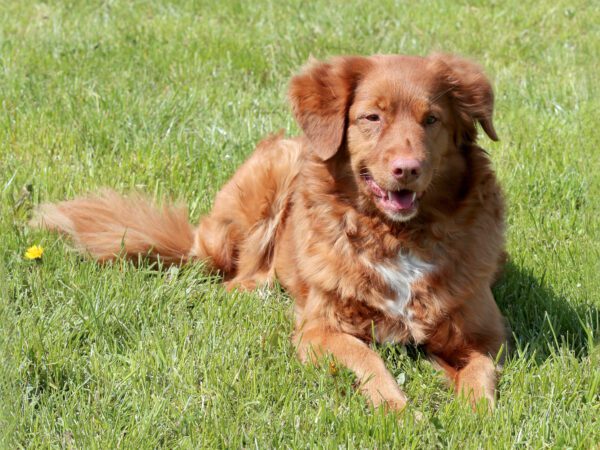
The Nova Scotia Duck Tolling Retriever is a bright, athletic, and affectionate companion that loves to work and play. This medium-size retriever brings joyful energy to daily life, thrives on problem solving, and bonds closely with family. The breed enjoys water, excels at fetch, and stays eager to learn. Careful research helps you match this lively temperament with your routine, your home, and your activity goals.
Adoption offers real advantages. Adoption gives a deserving dog a second chance, reduces pressure on crowded shelters, and often includes essential veterinary care before you bring the dog home. Buying can be costly and uncertain, while adoption provides transparency about the dog’s history and needs. Research matters because Tollers require consistent exercise, mental enrichment, and thoughtful training to stay content.
Utah offers an exciting backdrop for an active retriever. The state has mountains, reservoirs, and trail systems that invite structured activity. The climate varies by region, with summer heat in low valleys and cold winters in higher elevations. A Toller’s double coat handles cold weather well, yet summer outings require shade, water, and earlier or later walks to avoid midday heat. Homes with secure yards and families that enjoy hiking, running, or advanced training tend to be a strong fit. Apartment living can also work when daily exercise, scent games, and training sessions remain nonnegotiable.
You can avoid searching rescues and shelters separately by browsing Dog Academy. Dog Academy centralizes adoptable dogs and provides simple tools to filter by breed, age, and location. You can also use Dog Academy’s educational guides and adoption checklists to prepare your home and plan your first weeks with a new companion.
Adoptable Tollers in Utah appear through local animal shelters, regional rescues, and breed-specific rescue groups. Availability can shift quickly because this breed is rare and in demand. Start by browsing current listings to learn about age, temperament, medical history, and activity level. Read each profile closely so you understand whether the dog enjoys kids, coexists with cats, or prefers a quieter home.
Most groups use a similar process. You submit an application that includes basic information, your veterinarian’s details if you have one, and references. Many groups schedule a phone interview to discuss your schedule, training plans, and exercise routine. Meet-and-greets allow you to spend time with the dog and assess the fit. Home checks confirm that spaces are safe, gates latch securely, and household members understand the breed’s needs. Approval timelines often range from 1 to 3 weeks in Utah depending on volunteer availability, the number of applicants, and the dog’s specific needs.
Some rescues arrange transport to move dogs between locations when a match is strong. Transport is often organized by volunteers or partner services that drive dogs from one region to another, and it may add time or a modest fee to the process. If transport is available, ask how handoffs work, who provides supplies during travel, and when you will receive veterinary records.
|
How Much Does It Cost to Adopt a Nova Scotia Duck Tolling Retriever in Utah?In Utah, expect to pay about $300 to $600 to adopt a Nova Scotia Duck Tolling Retriever. Fees trend toward the higher end when the dog is a puppy or when demand is high and the dog has completed extensive veterinary care. Adult and senior dogs may fall near the lower end of the range. Costs vary with age, training, medical care, and demand. Adoption fees often include spaying or neutering, vaccinations, microchipping, and veterinary exams. Prices can rise if the dog received dental work, orthopedic care, or behavior support. A dog that arrives with crate training or obedience foundations may also command a higher fee because that training saves you time and reduces early challenges. |
How Should I Train a Nova Scotia Duck Tolling Retriever?The Nova Scotia Duck Tolling Retriever is smart, biddable, and eager to work for rewards. Positive reinforcement builds focus and confidence, which helps this sensitive breed shine. Short sessions with clear goals keep learning fun and prevent frustration. Daily mental enrichment through nose work, puzzle feeders, and retrieval games satisfies the breed’s strong working drive. Common challenges include overexcitement, demand barking, and chasing wildlife. You can prevent these issues with impulse control games, reliable recall training, and calm greetings. Reward quiet moments often so the dog learns that relaxation earns attention. Consistency matters because this breed reads patterns quickly and repeats what gets reinforced. For structured guidance, try Dog Academy’s online training courses. Step-by-step lessons cover foundations like loose-leash walking and recall, then progress to advanced skills such as off-leash reliability and canine sports. Clear plans, video demonstrations, and practice schedules help you create steady progress at home. |
|
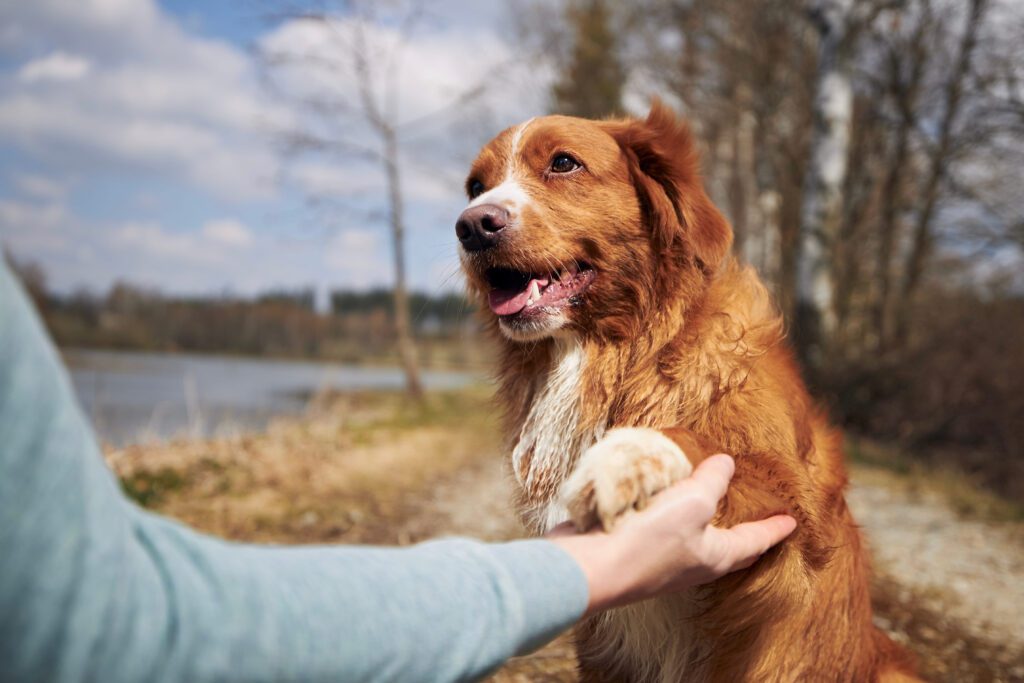
The ideal adopter enjoys daily activity, values training, and has time for play and enrichment. A Toller thrives with people who like hikes, swims, and brain games. Families that commit to routine exercise, grooming, and ongoing education help this energetic retriever live a balanced life.
Prepare before you apply, set realistic expectations, and take time to meet several dogs. When you feel ready, explore listings, ask thoughtful questions, and move at a pace that ensures a strong match. The right Nova Scotia Duck Tolling Retriever in Utah is out there, and a careful approach will help you welcome a happy partner for years to come.

Introducing a new puppy to your current dog is often an exciting process, and many dogs will become fast friends and eas...
Read More
Rescue dogs can make great companions and can transform your home into something better. These dogs make great pets and ...
Read More
You should never rush to pet a dog. Even dog owners make the mistake of approaching unfamiliar dogs and petting them rig...
Read More
Puppy mill dogs are survivors who have endured extreme hardships in their lives. They have grown up in horrendous, unsan...
Read More
With their wagging tails and comforting presence, adopting a dog can add a unique touch to your life. It’s a heart...
Read More
Older dogs may have a few gray hairs around the edges, but that doesn’t mean they can’t make wonderful companions! T...
Read More