

























































































































































































Introducing a new puppy to your current dog is often an exciting process, and many dogs will become fast friends and eas...
Read MoreAdopt Me

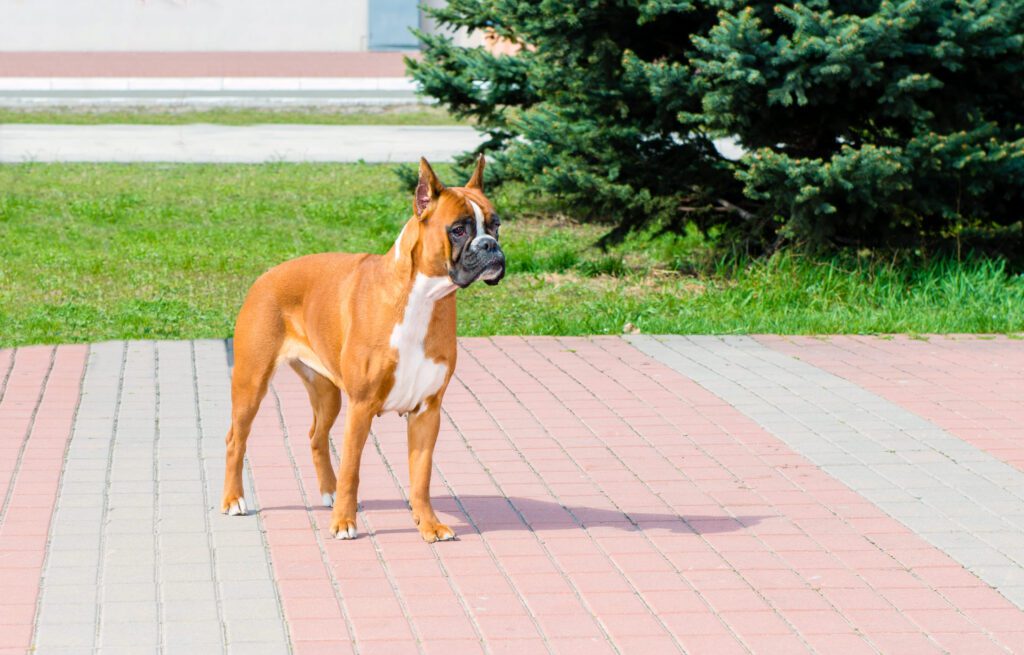
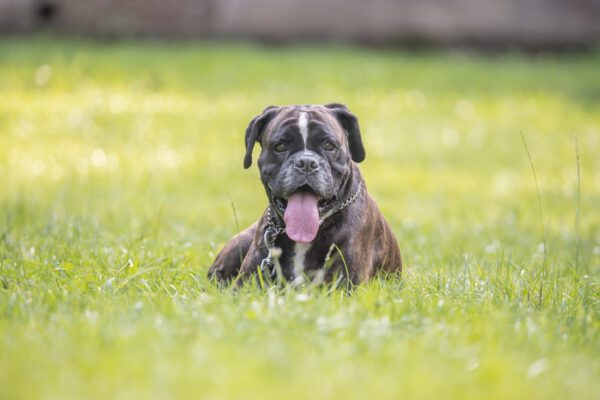
Boxers are playful, people-loving athletes that bring energy and affection to almost any home. The breed is known for a goofy sense of humor, solid loyalty, and a natural desire to stay close to family. A well-bred and well-socialized Boxer tends to be gentle with children, protective without being reactive, and eager to join every activity.
Good research helps every adopter succeed. A Boxer has high exercise needs, a strong body, and a curious mind that needs daily jobs. The short coat sheds year-round but needs only simple care, and the breed can face health considerations that call for a reliable veterinarian. Adoption gives a dog a second chance, reduces pressure on crowded shelters, and often provides strong support from counselors and foster caregivers who already know the dog’s habits.
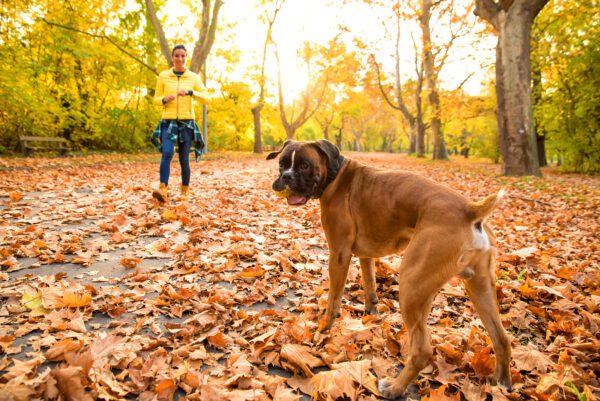
Utah’s climate and geography offer both benefits and challenges for a Boxer. Hot, dry summers at higher elevations can stress a brachycephalic dog that does not cool efficiently, so exercise works best in the early morning or evening with plenty of shade and water. Cold and snowy winters can also be tough because a short coat provides little insulation, so a warm jacket and paw protection help. Utah’s trails and open spaces create great outlets for daily activity, and an apartment can work if an adopter commits to structured walks and mental enrichment every day.
You can skip searching rescues and shelters one by one by browsing Boxer listings on Dog Academy, which aggregates adoptable dogs and provides educational guides and adoption checklists. Local animal shelters, regional rescues, and breed-specific rescue groups also list Boxers in Utah and in nearby states.
Start by browsing available dogs and reading each profile carefully. Pay attention to age, energy level, medical notes, and whether the dog has lived with children or other pets. When a Boxer seems like a match, submit an application that includes basic contact details, information about your home, proof of housing, and permission to contact a landlord if you rent. Many groups ask for personal references and a veterinarian reference to confirm your ability to provide routine care.
After the application review, most organizations schedule a meet-and-greet. Plan to bring all household members and any resident dogs so staff can evaluate compatibility. Some groups conduct a home check in person or by video to confirm safe containment, secure fencing if present, and space for indoor living. Approval timelines vary, but most adopters move from application to decision within 1 to 3 weeks based on background checks, scheduling, and the dog’s readiness.
Once approved, you complete an adoption contract and pay the fee. Many organizations allow a trial adoption or a foster-to-adopt period to ensure a smooth transition. If the right Boxer is located outside your immediate area, some rescues arrange transport to move dogs between locations using volunteer drivers or licensed transport partners, and the group explains any added costs and pickup procedures in advance.
|
How Much Does It Cost to Adopt a Boxer in Utah?In Utah, most adopters pay about $250 to $450 to adopt an adult Boxer through a shelter or rescue. Puppies often range from $400 to $650 because demand is higher and early veterinary care is more extensive. Fees usually help cover spaying or neutering, vaccinations, microchipping, and veterinary exams, and some organizations include a starter leash, collar, or a short training consult. Costs change with age, training, medical care, and demand. Young dogs with strong training foundations may carry higher fees because training reduces risk for first-time adopters. Dogs that received additional medical care such as dental treatment, orthopedic support, or cardiac screening may have higher fees to offset expenses. Senior Boxers or dogs with ongoing medical needs may qualify for reduced fees to help them find stable homes quickly. |
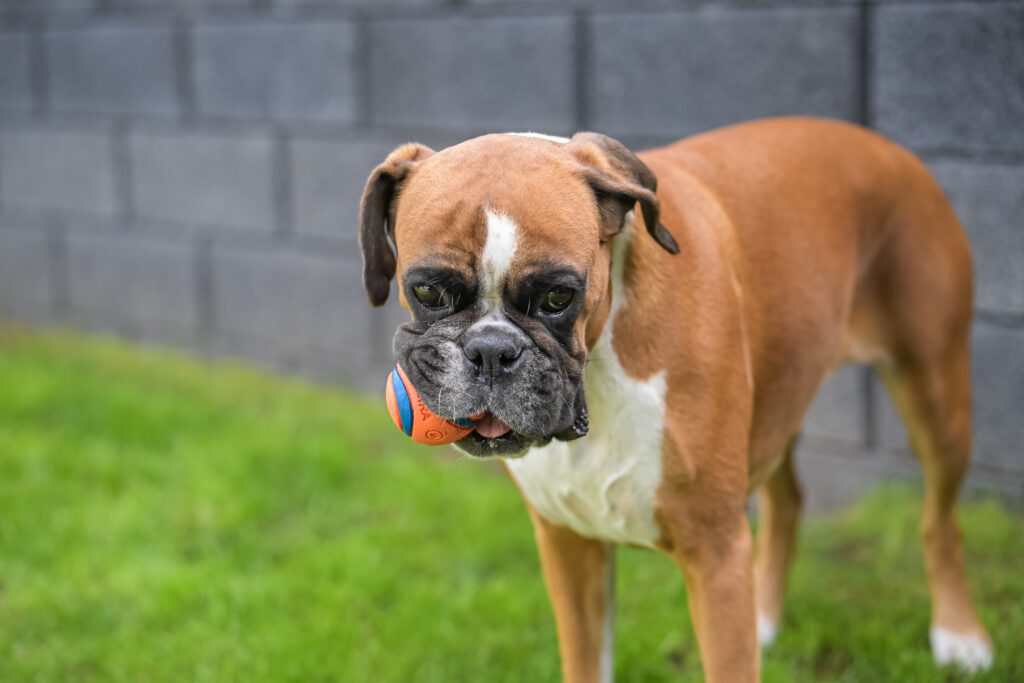
How Should I Train a Boxer?A Boxer is intelligent, athletic, and eager to please, yet the breed can be stubborn when bored. Positive reinforcement works best, which means using food rewards, toys, and praise to mark the exact behavior you want. Keep sessions short, end on success, and practice in quiet spaces before adding distractions. Early and ongoing socialization builds confidence around new people, friendly dogs, novel surfaces, and different environments. Common challenges include jumping to greet, mouthy play, and pulling on leash. Teach a solid sit for greetings, reinforce calm four-on-the-floor, and use reward-based loose-leash walking with frequent reinforcement. Provide at least 60 to 90 minutes of daily activity split between brisk walks, structured play, and mental games. Scent work, puzzle feeders, trick training, and short obedience drills channel energy and help prevent barking or destructive chewing. Crate training supports house training and gives a safe place to rest between activities. For step-by-step guidance, explore Dog Academy’s online training courses, which cover foundation obedience, leash skills, impulse control, socialization, and enrichment plans designed for energetic breeds like the Boxer. |
|
The ideal Utah adopter enjoys daily activity, commits to consistent training, and keeps a Boxer indoors as a full member of the family. A yard can help, yet it is not required when an owner provides structured exercise, mental enrichment, and careful temperature management in summer heat and winter snow.
Preparation leads to success. Set a realistic budget, gather essential supplies, choose a veterinarian, and take time to meet several dogs until you find a Boxer whose energy and temperament fit your routine. Move at a thoughtful pace, ask clear questions, and adopt only when you feel fully ready to welcome your new companion home.

Introducing a new puppy to your current dog is often an exciting process, and many dogs will become fast friends and eas...
Read More
Rescue dogs can make great companions and can transform your home into something better. These dogs make great pets and ...
Read More
You should never rush to pet a dog. Even dog owners make the mistake of approaching unfamiliar dogs and petting them rig...
Read More
Puppy mill dogs are survivors who have endured extreme hardships in their lives. They have grown up in horrendous, unsan...
Read More
With their wagging tails and comforting presence, adopting a dog can add a unique touch to your life. It’s a heart...
Read More
Older dogs may have a few gray hairs around the edges, but that doesn’t mean they can’t make wonderful companions! T...
Read More