





































































































































































Introducing a new puppy to your current dog is often an exciting process, and many dogs will become fast friends and eas...
Read MoreAdopt Me

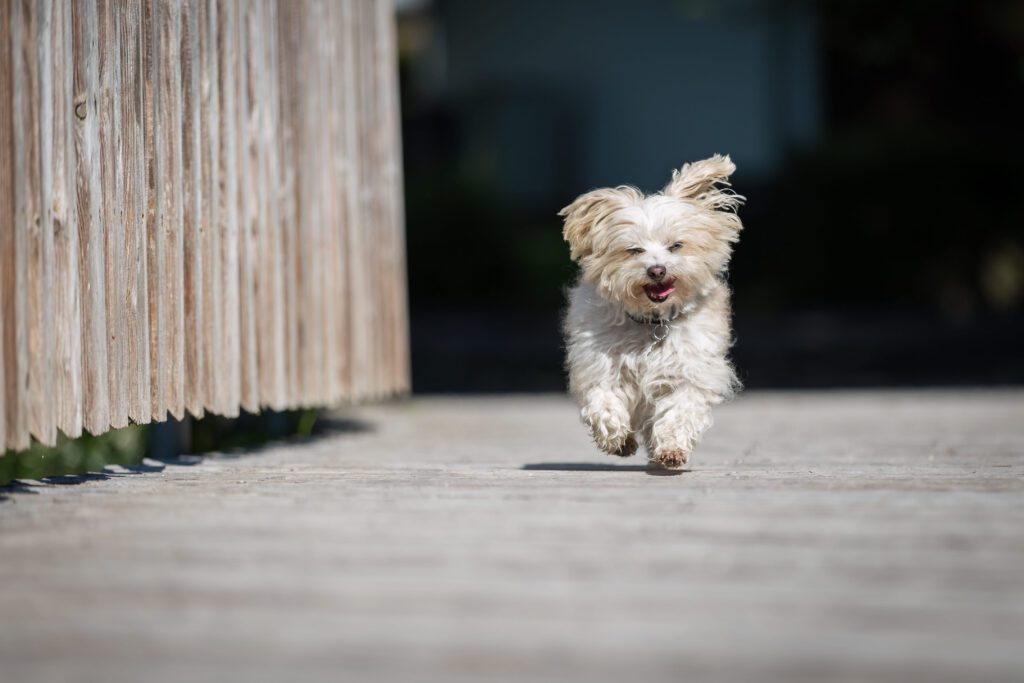

The Havanese is a cheerful, affectionate companion that loves people and thrives in a close-knit home. This small breed stays playful well into adulthood, learns quickly, and sheds very little, which makes daily life easier for many families. Thoughtful research before adoption helps you match energy levels, grooming needs, and daily routine so your new dog settles in with confidence.
Adoption gives a dog a second chance and supports responsible animal welfare. Adopted Havanese in Utah usually arrive with veterinary care already completed, and you get insight into temperament from foster or shelter notes. Utah’s dry air, high elevation, hot summers, and snowy winters call for mindful care. A Havanese does best with indoor living, controlled exercise in heat or cold, and consistent coat care to protect skin in the desert climate.
Utah offers a strong mix of city living and access to nature. A Havanese fits well in apartments or townhomes because the breed needs moderate exercise and regular play rather than intense mileage. Short walks at cooler times of day help during summer, and a light sweater or booties can help in winter. Supervision is important on trails and in yards due to wildlife and changing terrain.
You can avoid searching for rescues and shelters one by one by starting with Dog Academy. You can browse verified adoption listings in one place, compare dog profiles, and use helpful guides and checklists to get ready for your home visit or meet-and-greet.
Utah adopters also find Havanese through local animal shelters, regional rescues, and breed-specific rescue groups. Begin by reading listings in detail so you understand energy level, medical history, grooming needs, and any training notes. A good match starts with lifestyle alignment. A calm adult may suit a quiet home, while a youthful dog may fit an active household with time for play and training.
Most organizations follow a similar process. You browse listings, submit an application, and share information about your home, schedule, and experience with small dogs. Teams may request a phone interview, landlord or HOA confirmation, and veterinary references. Meet-and-greets allow everyone to see how the dog responds to you and any resident pets. Home checks confirm safety, including secure fencing, stable stairs, and a plan for climate control.
Approval timelines vary with demand and your responsiveness, and many placements finish in 1 to 3 weeks. If a dog is not located near you, rescues sometimes arrange transport between locations. Transport is organized by rescue teams that use volunteer drivers or licensed carriers, and the team coordinates routes, safety, and handoffs to bring the dog to a closer pickup point. Clear communication and quick paperwork help the process move smoothly.

|
How Much Does It Cost to Adopt a Havanese in Utah?In Utah, adoption fees for a Havanese typically range from $250 to $550. The final fee reflects age, medical care already provided, training completed in foster care, and regional demand for small companion breeds. Seniors or dogs with ongoing medical needs often have lower fees, while puppies and young adults with high demand can sit at the top of the range. Fees usually include spaying or neutering, vaccinations, microchipping, and veterinary exams. Some placements also include dental cleanings or starter supplies. Transparent itemization helps you understand the value of the fee and the level of care the dog already received. You can also budget for grooming, a crate, a harness, food, and training to set your Havanese up for success. |
How Should I Train a Havanese?The Havanese is smart, people focused, and highly trainable. The breed responds best to positive reinforcement with clear rewards and short, upbeat sessions. Many Havanese house train quickly when you use consistent potty schedules, frequent outdoor breaks, and praise for correct choices. Because small dogs have small bladders, patient timing helps prevent setbacks. Common challenges include alert barking, separation stress, and sensitivity to harsh corrections. You can reduce barking by rewarding quiet moments and by teaching a reliable settle cue. Gradual alone-time training builds confidence for short absences. Gentle handling exercises make grooming easier, including brushing, nail care, and face cleaning. For structured support, explore Dog Academy’s online training courses. You can follow step-by-step lessons for house training, basic manners, polite leash skills, and confidence building tailored to small breeds. |
|
A great Havanese match is an owner who enjoys close companionship, can offer daily play and short walks, and will keep up with regular grooming. A calm, predictable routine and gentle training help this affectionate breed shine. Preparation matters, which includes supplies, a safe indoor space, and a plan for Utah’s heat and cold.
Take your time, ask detailed questions, and choose the dog whose needs align with your home and schedule. When you feel ready, browse listings through Dog Academy, review the guides, and move forward with confidence toward a happy, long-term match.

Introducing a new puppy to your current dog is often an exciting process, and many dogs will become fast friends and eas...
Read More
Rescue dogs can make great companions and can transform your home into something better. These dogs make great pets and ...
Read More
You should never rush to pet a dog. Even dog owners make the mistake of approaching unfamiliar dogs and petting them rig...
Read More
Puppy mill dogs are survivors who have endured extreme hardships in their lives. They have grown up in horrendous, unsan...
Read More
With their wagging tails and comforting presence, adopting a dog can add a unique touch to your life. It’s a heart...
Read More
Older dogs may have a few gray hairs around the edges, but that doesn’t mean they can’t make wonderful companions! T...
Read More